

Transforming personal development from a chore into an engaging adventure is possible. Many people struggle with making habits stick or finding motivation for long-term goals. The solution often lies in gamification, applying game design elements and game principles in non-game contexts. This approach makes growth not only achievable but genuinely enjoyable.
Gamifying your personal growth leverages our innate human drive for achievement, progress, and reward. By turning your goals into a game, you tap into powerful psychological triggers that fuel motivation and sustain effort over time. You will discover practical strategies to integrate these mechanics into your daily routines, making habits stick and achieving significant personal milestones.

Understanding Gamification: Why It Works for Habits
Gamification is the strategic application of game-like elements to enhance engagement and motivate desired behaviors in non-game environments. It is not about playing video games instead of working. Instead, it involves adopting principles from game design to make tasks more appealing and rewarding.
This approach works because it speaks to fundamental human psychological needs. We are wired for challenge, mastery, social connection, and immediate feedback. Games provide these in abundance, creating a powerful loop of engagement. When applied to habits, gamification transforms mundane or difficult tasks into opportunities for progress and celebration.
Research into behavioral psychology consistently shows that immediate and positive feedback strengthens desired actions. Games excel at this, offering instant rewards like points, levels, or visual progress indicators. These small wins release dopamine, a neurotransmitter associated with pleasure and motivation, reinforcing the habit loop. This makes gamification a powerful tool for making habits stick and achieving long-term goals.
Core Game Mechanics for Habit Building
Understanding specific game mechanics allows you to implement them effectively. You can choose mechanics that resonate most with your personal motivation style. Here are several key elements you can integrate into your habit-building journey.
To maximize your results, try focusing your gamification efforts on keystone habits that naturally influence other areas of your life.
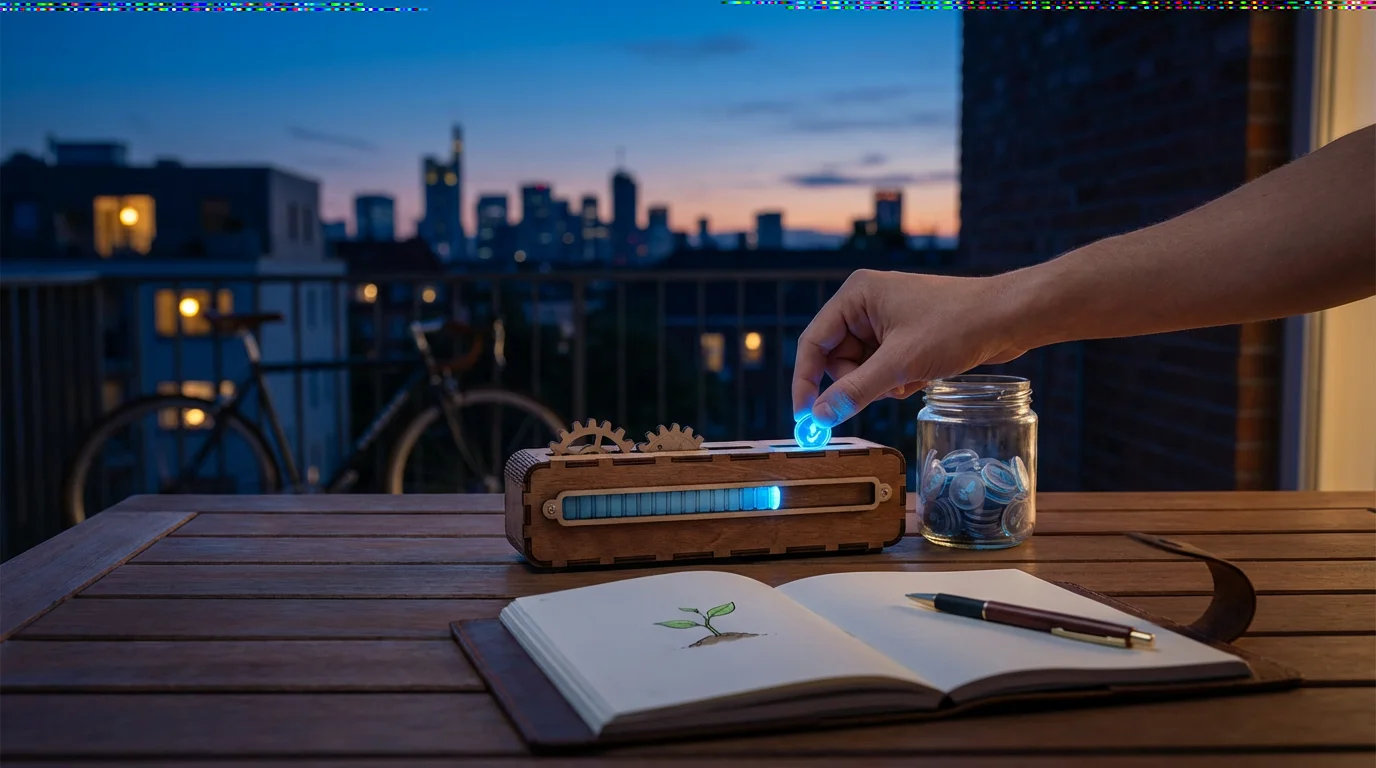
- Points and XP (Experience Points): Assign points to completed tasks or milestones. More challenging tasks can yield higher points. Accumulating points creates a sense of achievement and quantifiable progress. For example, completing your morning exercise earns 100 XP, reading for 30 minutes earns 50 XP.
- Levels: Group points into levels. Reaching a new level provides a significant milestone and a sense of advancement. You might start at Level 1: Beginner, move to Level 2: Apprentice after 1000 XP, and so on. This structure offers a clear progression path.
- Badges and Achievements: Award virtual badges for specific accomplishments or streaks. A “Fitness Fanatic” badge for 30 consecutive days of exercise or a “Learning Luminary” badge for completing a new course provides recognition for effort and consistency. These act as digital trophies, celebrating past successes.
- Streaks and Progress Bars: Visualizing your progress is incredibly motivating. A streak tracker shows how many consecutive days you have maintained a habit. A progress bar for a larger project fills up as you complete sub-tasks. These mechanics provide real-time feedback and encourage continued effort to avoid breaking the chain.
- Leaderboards (Optional): For some, a friendly competition can be a strong motivator. If you are part of a group or have an accountability partner, a simple shared leaderboard can foster healthy competition and encourage everyone to push harder. However, ensure it remains a positive, motivating tool.
- Rewards: Link specific rewards, either virtual or real-world, to achievements. After reaching a certain level or earning a badge, you might grant yourself a small indulgence, like an hour of guilt-free reading or a special treat. The anticipation of the reward strengthens the desire to complete the task.
- Quests and Challenges: Frame your goals as quests. Instead of “do laundry,” think “Conquer the Mountain of Laundry.” Break down larger goals into smaller, manageable “side quests.” This narrative approach makes tasks more exciting and provides a clear mission.
These mechanics provide different ways to inject fun and motivation. You do not need to use all of them. Choose the ones that best fit your personality and the habits you want to build.

Designing Your Personal Gamified System
Building an effective gamified system requires thoughtful planning. You need to align game mechanics with your actual goals and daily life. Here is a step-by-step process to create your custom personal development game.

Step 1: Define Your Goals Clearly
Start by identifying the specific habits or personal development goals you want to gamify. Be precise. Instead of “get fit,” aim for “exercise for 30 minutes, 5 days a week” or “walk 10,000 steps daily.” Specificity makes tracking and reward systems much easier to implement.
- Example: Improve focus during work.
- Specific Goal: Complete three 25-minute focused work blocks (Pomodoros) each workday.

Step 2: Break Down Goals into Actionable Steps
Large goals can feel overwhelming. Divide them into smaller, manageable actions. These become your “tasks” or “quests” within the game. Each small victory builds momentum. For instance, if your goal is to learn a new language, weekly vocabulary lessons and daily practice sessions become distinct gamifiable units.
- Actionable Steps for Focus Goal:
- Start a 25-minute Pomodoro timer.
- Work on a single task without distraction during the timer.
- Take a 5-minute break after the timer.

Step 3: Assign Points and Levels
Determine how you will earn points and progress through levels. Assign point values that reflect the effort or importance of each task. More challenging or consistent habits should yield higher rewards. Set realistic level-up thresholds. A simple point system might be 10 points for a small task, 50 for a medium, and 100 for a significant daily habit.
- Point System Example for Focus Goal:
- Complete one 25-minute focused work block: 50 XP
- Complete three 25-minute focused work blocks in a day: 200 XP (bonus for consistency)
- Maintain a streak of 5 consecutive workdays with three focused blocks: 500 XP

Step 4: Design Rewards and Badges
What motivates you? Rewards can be intrinsic (the satisfaction of seeing progress) or extrinsic (a tangible treat). Design virtual badges for milestones or consistent behavior. Consider small, immediate rewards for daily wins and larger rewards for reaching major levels. The “Deep Work Principle” emphasizes the value of focused, uninterrupted work, and a reward system can reinforce this type of effort. Think about rewards that genuinely excite you and align with your values.
“Clarity about what matters provides clarity about what does not.” — Deep Work Principle
- Reward System Example for Focus Goal:
- Daily Reward: After completing three focused blocks, take a 15-minute break to do something enjoyable, like listening to music or a short walk.
- Weekly Reward (2500 XP): Acknowledge your focus with a new e-book or a premium coffee.
- Badges: “Focus Novice” (1000 XP), “Concentration Pro” (5000 XP), “Master of Deep Work” (10000 XP).
Step 5: Choose Your Tracking Method
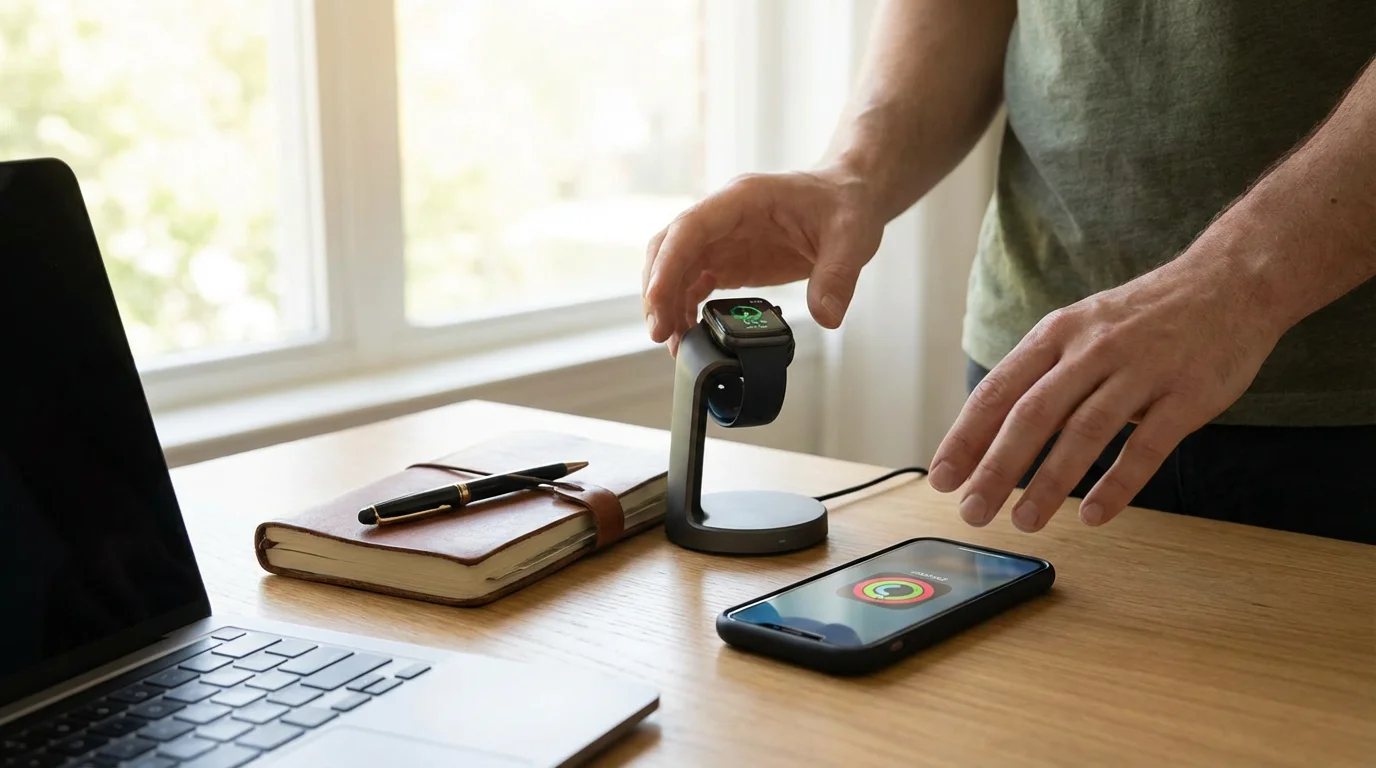
Consistency in tracking is crucial. You can use a simple notebook, a spreadsheet, or dedicated habit-tracking apps. The key is to make it easy to log your progress. A visual tracker, like a progress bar or a chain of completed days, provides instant feedback and reinforces your efforts. Many digital tools offer built-in gamification features, making this step easier. For example, some apps give you points, coins, or plant trees for completing habits.

Practical Gamification for Daily Habits
Let us look at how to apply these mechanics to common personal development areas. You can adapt these examples to fit your specific needs and preferences.
You can further amplify your progress by stacking habits together, allowing one completed quest to serve as the trigger for the next.
Example 1: Gamifying Fitness and Health Habits
Many people struggle with consistent exercise or healthy eating. Gamification can make these areas much more engaging.
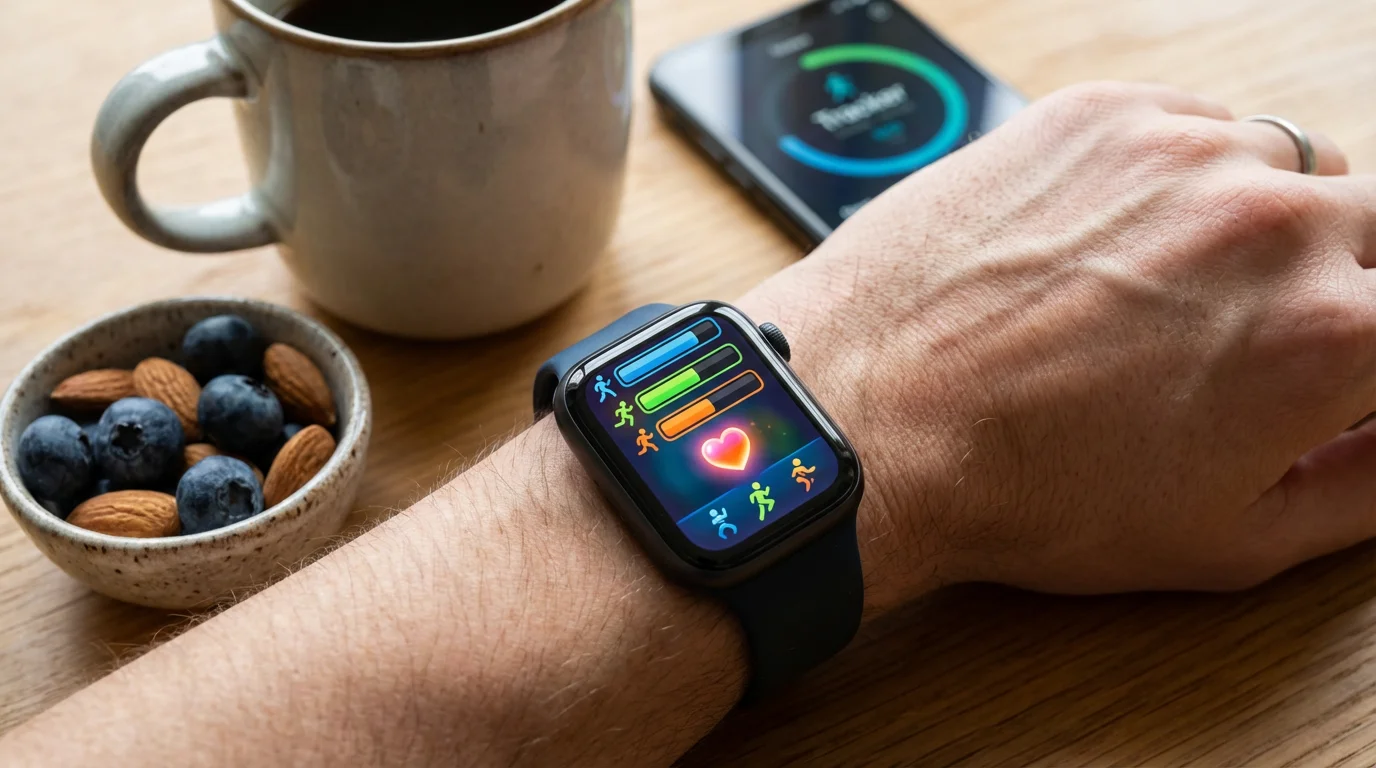
- Goal: Exercise 4 times a week for 30 minutes, and eat a healthy breakfast daily.
- Points:
- 30-minute workout: 100 XP
- Healthy breakfast: 50 XP
- Achieve both in one day: 50 bonus XP
- Levels: Based on cumulative XP (e.g., Level 1: “Fitness Starter” at 500 XP, Level 2: “Health Enthusiast” at 2000 XP).
- Streaks: Track consecutive days of healthy breakfasts or consecutive weeks of hitting your workout target. A “7-Day Breakfast Streak” badge provides a visible achievement.
- Rewards:
- After hitting Level 2: Purchase new workout gear or a healthy cookbook.
- Weekly reward for 4 workouts: An hour dedicated to a favorite hobby.
- Tracking: Use a simple spreadsheet or a habit tracking app like Habitica, which directly incorporates RPG-style gamification.

Example 2: Gamifying Learning and Skill Development
Learning a new skill or language requires consistent effort. Make it a quest.
- Goal: Study a new language for 20 minutes daily, 5 days a week.
- Points:
- 20-minute study session: 75 XP
- Complete a language lesson module: 150 XP
- Practice with a native speaker (once a week): 200 XP
- Quests: Frame specific learning goals as quests. “Quest: Master the Present Tense” involves completing relevant lessons and exercises.
- Badges: “Grammar Guru” for mastering a tense, “Vocabulary Virtuoso” for learning 50 new words.
- Levels: Progress from “Language Novice” to “Conversationalist” based on XP.
- Rewards:
- After earning “Conversationalist” badge: Watch a movie in the target language without subtitles.
- Daily: A short break to listen to music from the target country.
- Tracking: A simple bullet journal or a dedicated language learning app that often includes its own gamification.

Example 3: Gamifying Productivity and Work Habits
Staying focused and productive in your work can feel like an endless battle. Gamification offers a fresh perspective.
- Goal: Complete 3 priority tasks daily and review your to-do list for 10 minutes each evening.
- Points:
- Complete a priority task: 100 XP
- Review to-do list: 50 XP
- Avoid social media during dedicated work blocks (tracked via a browser extension): 25 XP per hour
- Streaks: Track consecutive days of completing all 3 priority tasks. A “Productivity Powerhouse” streak could unlock a small treat.
- Levels: Progress from “Task Taker” to “Workflow Wizard” as you accumulate XP.
- Challenges: Set up weekly challenges, such as “Deep Work Week: 15 hours of focused work.”
- Rewards:
- After reaching “Workflow Wizard”: Invest in a new productivity tool or a comfortable ergonomic accessory.
- Daily: 15 minutes to browse an interesting non-work topic.
- Tracking: Use a digital task manager like Todoist (with its Karma points) or Trello, combined with a manual log for XP.

Leveraging Social Elements for Accountability
Humans are social creatures, and incorporating social dynamics into your gamified system can dramatically boost accountability and motivation. You do not have to compete against others. Simply sharing your journey can be powerful.
- Accountability Partners: Share your gamified goals and progress with a friend, colleague, or family member. Knowing someone else is aware of your “game” creates a powerful external motivator. They can check in, offer encouragement, and even participate in their own parallel game.
- Small Groups or Communities: Join or create a small group with similar goals. This could be an online forum, a private messaging group, or a regular in-person meet-up. Sharing your XP, levels, and badge achievements with others can foster a sense of belonging and friendly competition.
- Public Commitment: For some, making a public commitment (e.g., on a personal blog or social media) can be a strong motivator. The desire to maintain a positive public image or avoid looking inconsistent can drive you forward. However, this strategy is not for everyone, and it is crucial to ensure it feels supportive, not stressful.
- Mentorship or Coaching: If you have a mentor or coach, involve them in your gamified system. They can act as a “game master,” providing guidance, celebrating your achievements, and offering “quests” that push you further.
The key is to leverage social elements in a way that feels supportive and motivating, not overwhelming or anxiety-inducing. Choose a method that genuinely enhances your experience.

Avoiding Pitfalls and Maintaining Motivation
While gamification is a potent tool, it comes with potential challenges. Understanding these common pitfalls helps you design a resilient system and sustain your motivation over the long term.

Common Pitfalls to Avoid:
- Over-Complication: Do not create a system so complex it becomes another chore. Start simple. You can always add more mechanics later. The goal is to make habits easier, not introduce new administrative burdens.
- Focusing on Points, Not Progress: The game mechanics should serve your growth, not become the sole focus. If you are only chasing points without internalizing the habit’s benefit, the system might fail once the novelty wears off. Remember the underlying purpose.
- Unrealistic Goals: Setting levels that are too difficult or rewards that are too far off can lead to discouragement. Break down goals into achievable increments. Parkinson’s Law suggests that work expands to fill the time available, implying that setting tighter, more achievable deadlines can boost efficiency. Apply this to your gamified goals, making them challenging but attainable.
- Extrinsic Motivation Overload: Relying too heavily on external rewards can diminish intrinsic motivation. Ensure your rewards are balanced with the inherent satisfaction of skill mastery and personal growth.
- Ignoring Motivation Dips: Everyone experiences drops in motivation. Your gamified system should account for this. Build in “rest days” or “flex days” for streaks. Have contingency plans for when life inevitably gets in the way.
- Boring Rewards: If your rewards are not genuinely appealing, they will not motivate you. Re-evaluate your reward system periodically. What felt exciting initially might not sustain interest.
“Work expands to fill the time available for its completion.” — Parkinson’s Law

Strategies for Sustained Motivation:
- Regular Reviews and Adjustments: Periodically review your system. Is it still engaging? Are the point values fair? Do the rewards still motivate you? Be ready to adapt and tweak your game.
- Celebrate Small Wins: Do not wait for the big level-ups to celebrate. Acknowledge daily accomplishments. These small celebrations provide consistent dopamine hits, keeping you engaged.
- Vary Your Game: Introduce new challenges or change the reward structure periodically to keep things fresh. You might switch from a point-based system to a streak-based one for a month.
- Focus on Mastery: Shift your focus from merely completing tasks to mastering skills. The satisfaction of becoming genuinely proficient in an area is a powerful intrinsic reward that complements gamification.
- Connect to Your ‘Why’: Regularly remind yourself why you started this personal development journey. Your “why” provides a deeper source of motivation that transcends any game.

Advanced Gamification Strategies
Once you have a solid foundational system in place, you can explore more sophisticated strategies to deepen engagement and address specific challenges.
- Narrative Integration: Weave a story around your personal growth journey. You are the hero of your own epic quest. Give your game a theme, perhaps “The Quest for Financial Freedom” or “The Hero’s Journey to Health.” This narrative layer adds immersion and a sense of purpose.
- Loss Aversion Mechanics: Introduce elements where you “lose” points or progress if you miss a habit. For example, failing to complete a daily task might subtract 20 XP from your total. This uses the psychological principle of loss aversion, where the fear of losing something is a stronger motivator than the prospect of gaining something of equal value. Use this sparingly, as too much negativity can be demotivating.
- Random Rewards/Variable Ratios: Occasionally, introduce an element of randomness to your rewards. This could be a “loot box” containing a surprise reward after completing a major quest, or a bonus XP multiplier that appears randomly. This taps into the psychological principle of variable ratio reinforcement, which is incredibly potent at driving behavior, similar to how slot machines work.
- Epic Boss Battles (Major Milestones): Frame significant long-term goals as “boss battles” that require a culmination of smaller habits to overcome. For instance, launching a new side project could be the “Launch Lair Boss Battle,” requiring weeks of daily tasks and skill-building to defeat.
- Virtual Currency and Shop: Create a virtual currency you earn from completing habits. You can then “spend” this currency in a “shop” on real-world rewards you have pre-defined. This adds another layer of tangible progression and choice.
Experiment with these advanced strategies once you feel comfortable with the basics. The goal is to keep your personal growth journey fresh, challenging, and endlessly rewarding.
Frequently Asked Questions
How long does it take for gamification to make habits stick?
The time it takes varies widely for individuals and habits. Generally, initial motivation from gamification can be felt immediately. For habits to become deeply ingrained, consistent engagement over several weeks or months is typically required. Gamification helps bridge the gap until the habit becomes more automatic.
Can I gamify multiple goals at once?
Yes, you can, but start small. Begin by gamifying one or two key habits. Once you are comfortable with the system, gradually integrate more goals. Over-complicating your game from the start can lead to burnout. Prioritize the most impactful habits first.
What if I miss a day or break a streak?
It happens to everyone. The most important thing is not to give up entirely. Instead of viewing a broken streak as a failure, see it as a minor setback. Reframe it as a “pause” or a “learning opportunity.” Simply reset your streak or adjust your goals, and start again the next day. The aim is consistency over perfection.
Are there apps that can help gamify my habits?
Absolutely. Many apps are designed specifically for habit tracking and gamification. Some popular examples include Habitica, which turns your life into a role-playing game, or Forest, which helps you stay focused by growing a virtual tree. You can also use general productivity tools like Todoist, which offers a “Karma” system to track progress and celebrate achievements.
Is gamification just a temporary motivation boost?
Gamification provides a powerful initial and ongoing motivation boost. However, for long-term success, it works best when it helps you build intrinsic motivation. As you consistently engage with habits through gamification, you often start to experience the inherent rewards of those habits, such as improved health or new skills. The game can then fade into the background as the habit becomes self-sustaining.
What if I find game mechanics cheesy or childish?
Gamification does not have to be cartoonish or childish. You can design your system to be sophisticated and professional. Focus on the core principles of progress, feedback, and reward rather than elaborate themes. Use a simple point system, a clear progress bar, and meaningful, adult-oriented rewards. Customize the experience to align with your personal aesthetic and preferences.
The journey of personal growth is ongoing, and gamification offers a fresh, engaging way to navigate it. By applying game mechanics, you transform challenges into opportunities for fun, progress, and lasting change. Design your game, play it consistently, and watch your personal development flourish.
Disclaimer: This article provides information for general informational purposes only and does not constitute medical, psychological, or legal advice. Always seek the advice of qualified professionals for any specific concerns or conditions.








Leave a Reply