

Your physical environment significantly shapes your mental state. A cluttered space often translates to a cluttered mind, impacting your focus, productivity, and overall well-being. This guide empowers you to transform your surroundings, providing practical steps and actionable insights to streamline your physical space and unlock profound mental clarity.

The Tangible Link Between Clutter and Cognition
Research consistently demonstrates a direct connection between physical clutter and cognitive overload. When your environment is disorganized, your brain constantly processes unnecessary visual stimuli. This increased cognitive load diverts mental resources away from tasks requiring focus and deep thought.
Studies show that individuals in cluttered spaces experience higher levels of stress and anxiety. For instance, neuroscientific research indicates that excessive stimuli can overwhelm the brain’s visual cortex, making it harder to concentrate. This isn’t just about aesthetics; it’s about optimizing your brain’s performance by reducing ambient distractions. Streamlining your space directly supports your mental well-being and enhances your capacity for clear thinking.
Think about your own experience. Do you find it easier to concentrate on a complex report when your desk is clear or when it’s covered in papers, pens, and forgotten coffee mugs? Most people experience a noticeable improvement in their ability to focus and maintain attention when their workspace is orderly.

Defining Your Vision: Why Streamlining Matters to You
Before you begin the physical process of decluttering, invest time in defining your “why.” What specific benefits do you seek from a more organized environment? Understanding your motivation strengthens your resolve when facing tough decisions about letting go of items.
Consider these questions to clarify your vision:
- What does “mental clarity” mean for your daily routine? Do you want to reduce stress, improve focus, or simply feel more in control?
- How would a streamlined space enhance your productivity? Imagine your ideal workday or evening routine.
- What emotional benefits would you gain? Perhaps a sense of peace, increased energy, or reduced decision fatigue.
For example, a busy project manager might envision a home office where “every tool has a home,” allowing immediate access to essential documents and tech accessories. Their motivation is to minimize wasted time searching for items, directly boosting work efficiency. This clarity of purpose guides your decluttering efforts, ensuring they align with your broader productivity goals.
The FocusedMethod Decluttering Framework: A Step-by-Step Approach
Approaching decluttering systematically prevents overwhelm. The FocusedMethod uses a structured framework, breaking down the process into manageable phases. This helps you maintain momentum and achieve lasting results.
Phase 1: Preparation (Estimate: 15-30 minutes)
Effective preparation sets the stage for successful decluttering. Do not skip this crucial step.
- Define Your Zone: Start small. Choose one specific area, such as a single drawer, a shelf, or your desk surface. This prevents burnout and provides a quick win. Trying to declutter an entire room in one go often leads to paralysis.
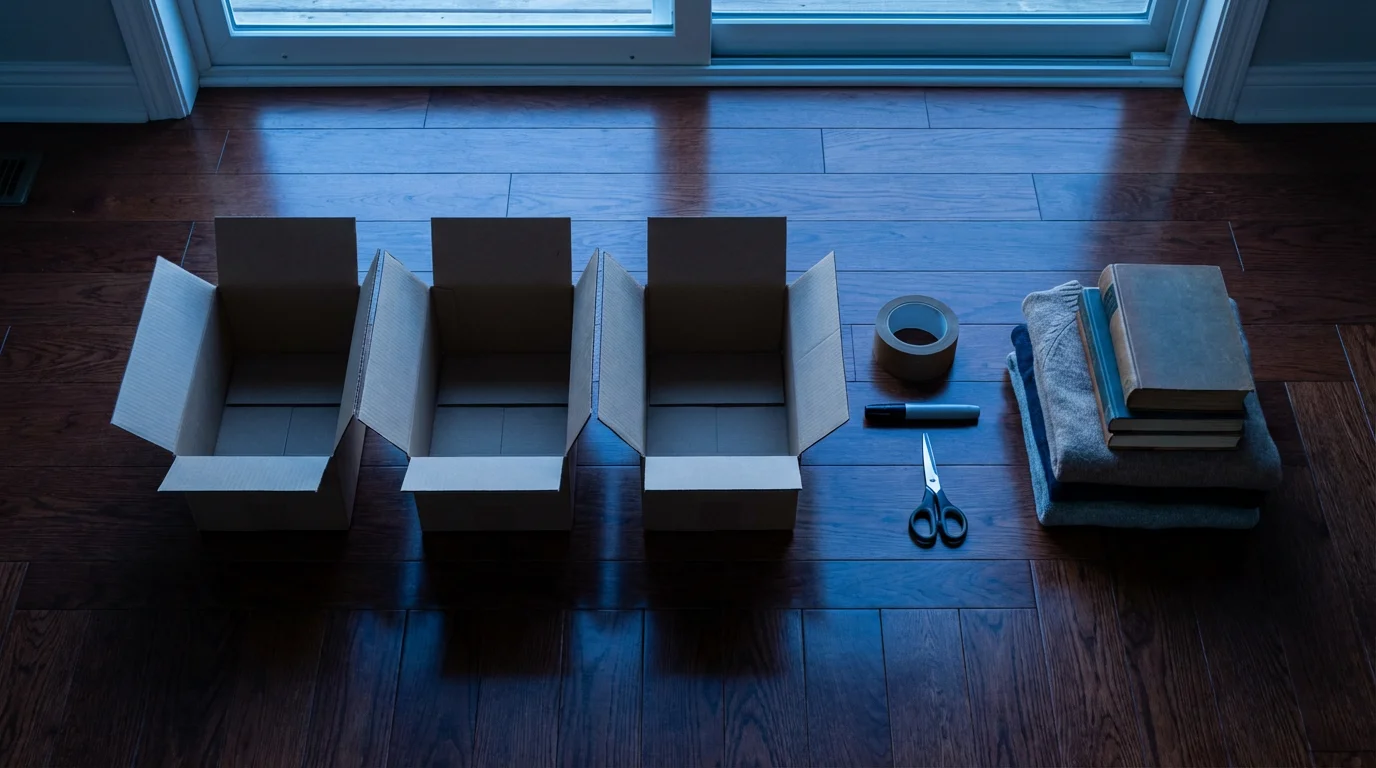
- Gather Your Tools: Collect essential supplies before you start. You will need:
- Three labeled boxes or bags: “Keep,” “Donate/Sell,” “Discard.”
- A “Relocate” bin for items belonging elsewhere in your home.
- Cleaning supplies (a cloth, all-purpose cleaner).
- A timer (your phone’s timer works perfectly).
- Set a Time Limit: Dedicate a specific, limited timeframe to your task, perhaps 20-30 minutes for a small area. This leverages Parkinson’s Law: “Work expands to fill the time available for its completion.” By setting a strict boundary, you force quicker decisions.
Phase 2: The Sort (Estimate: 15-60 minutes, depending on area size)
Empty the chosen area completely. Place every item into a temporary holding space, like a clear spot on the floor or a larger bin. Seeing everything outside its usual spot helps you assess items objectively.
- Touch Every Item: Pick up each item individually. This physical interaction helps you connect with the item and prompts a decision.
- Categorize Immediately: Assign each item to one of your pre-labeled bins:
- Keep: Items you regularly use, love, or absolutely need.
- Donate/Sell: Items in good condition that you no longer use but someone else could benefit from.
- Discard: Broken, expired, or unusable items that belong in the trash or recycling.
- Relocate: Items that belong elsewhere in your home. Do not put them away now; just place them in this bin for later.
“Clarity about what matters provides clarity about what does not.” — Deep Work Principle
This principle applies directly to decluttering. Focus on what truly matters for your productivity and well-being, and the decision to let go of extraneous items becomes clearer.

Phase 3: The Purge and Place (Estimate: 10-20 minutes)
Now that items are categorized, take action on your decisions.
- Remove “Discard” Items: Immediately take the “Discard” bin to the trash or recycling. Getting these items out of your space provides immediate visual relief.
- Box “Donate/Sell” Items: Seal these boxes and place them by the door or in your car for their next destination. Aim to complete this within 24-48 hours.
- Relocate Items: Distribute the items from your “Relocate” bin to their proper homes in other areas of your space.
- Return “Keep” Items Systematically: As you return “Keep” items to your newly cleaned area, assign them a specific, logical home. Group similar items, place frequently used items within easy reach, and arrange for aesthetic appeal and function.
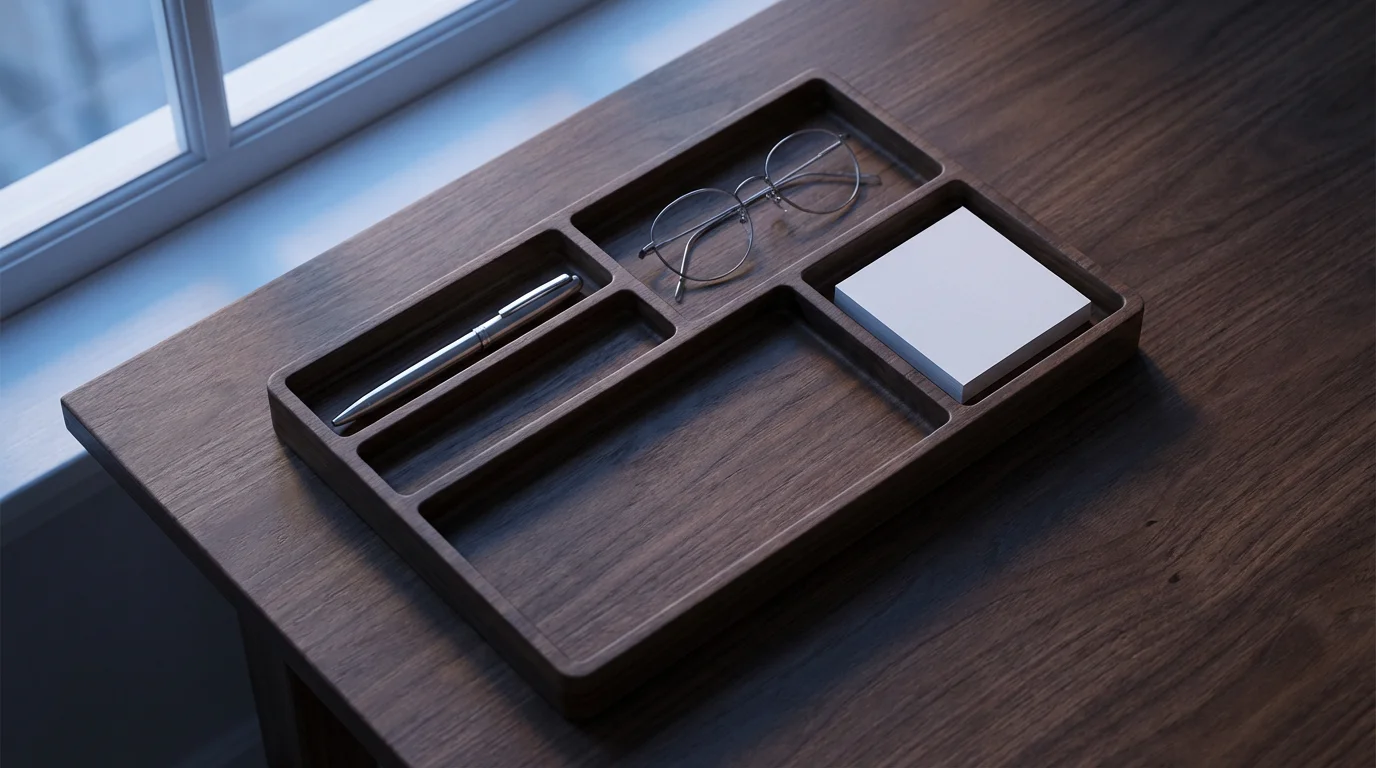
For example, if decluttering your office desk: you might find three half-empty notepads, an old coffee mug, a broken pen, and several charging cables. You discard the pen and old mug. You consolidate notes into one fresh notepad for “Keep.” You find a designated drawer for charging cables (Relocate). You place the new notepad and a functional pen directly on the desk, creating a clear workspace ready for focused work.
Conquering Decision Fatigue: Practical Strategies for Letting Go
The emotional aspect of letting go often presents the biggest hurdle. You might feel guilt, sentimentality, or fear of needing something later. Implement these strategies to navigate decision fatigue and strengthen your resolve.
- The “One Year” Rule: If you haven’t used an item in the past year, it is likely you do not need it. This applies to clothing, tools, and decorative items. Exceptions include seasonal items or very sentimental keepsakes.
- The “Sentimentality Sanctuary”: For highly sentimental items, designate a small, specific box. Only items that fit in this box can be kept for sentimental reasons. This forces curation without complete elimination.
- The “Cost Per Use” Metric: For expensive items you rarely use, consider their “cost per use.” An expensive gadget used twice represents a high cost per use. Reframe your thinking: its value is not in its original price, but in its present utility to you.
- The “Future Self” Perspective: Ask yourself: “Does this item serve the person I want to be?” If your future self is organized and efficient, would they accumulate this item? This helps align your current actions with your future aspirations.
- The “Just in Case” Trap: This common pitfall leads to endless accumulation. Differentiate between genuinely useful “just in case” items (like a basic first-aid kit) and unlikely “what if I need it someday?” scenarios. Most items are replaceable if truly needed.
When you feel stuck, remember your “why.” Reconnecting with your vision for mental clarity and increased productivity provides the boost you need to make tough decisions. Do not let past purchases or potential future scenarios dictate your current mental peace.
Setting Up Your Streamlined Systems: Maintenance and Organization
Decluttering is an event; organized living is a continuous practice. Establish simple systems to prevent clutter from returning. Consistency is your most powerful tool for long-term clarity.
Designing Designated Homes
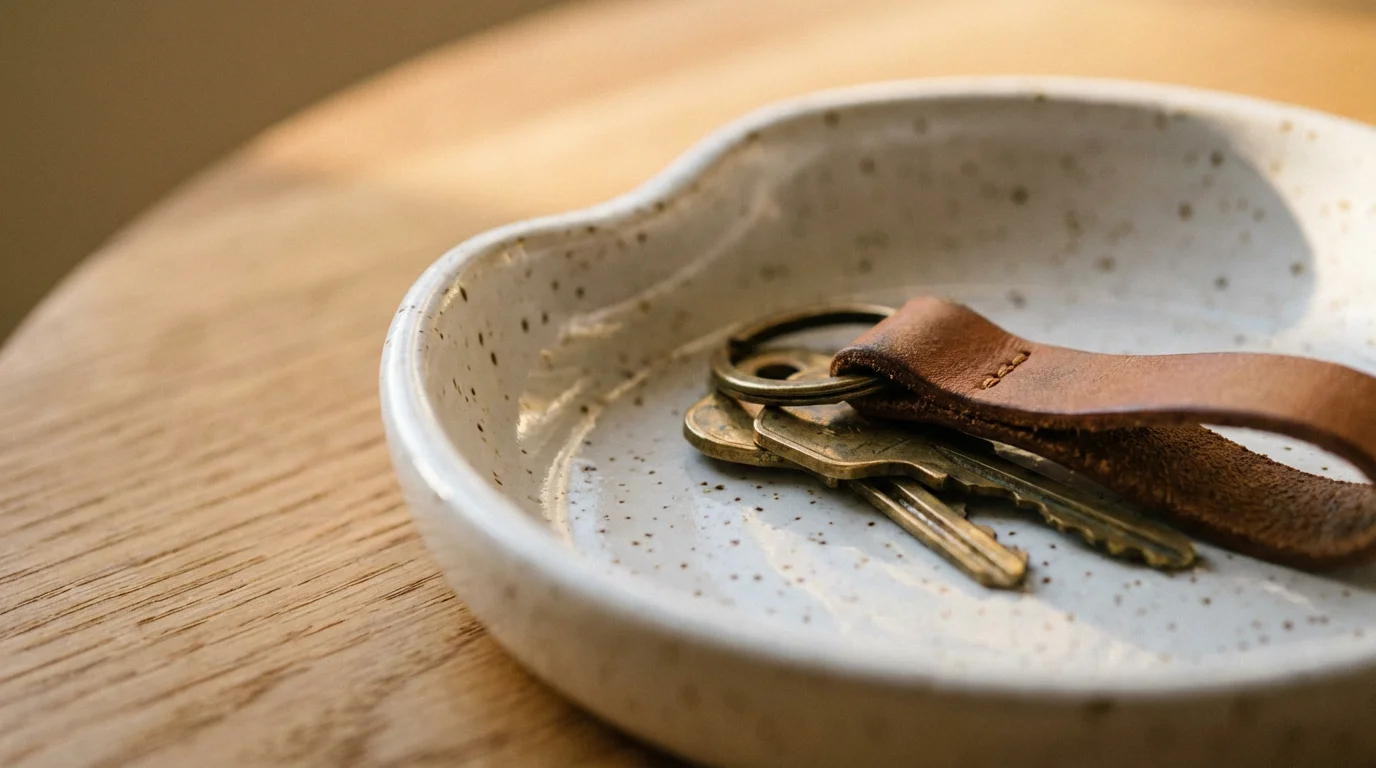
Every item needs a specific place where it “lives.” When you acquire something new, immediately identify its home. If an item does not have a home, it becomes clutter.
- Zone Your Space: Group similar items together. All writing instruments go in one drawer, all charging cables in another.
- Utilize Vertical Space: Shelves, wall organizers, and stackable bins maximize storage without expanding your footprint.
- Clear Containers: Use clear bins or drawers for items you need to see. This reduces mental effort when searching.
- Label Everything: Labels are not just for files. Label bins, shelves, and even drawers. This ensures every family member or co-worker knows where items belong, promoting collective organization.
Implementing Maintenance Habits
Small, consistent actions prevent large-scale decluttering emergencies.
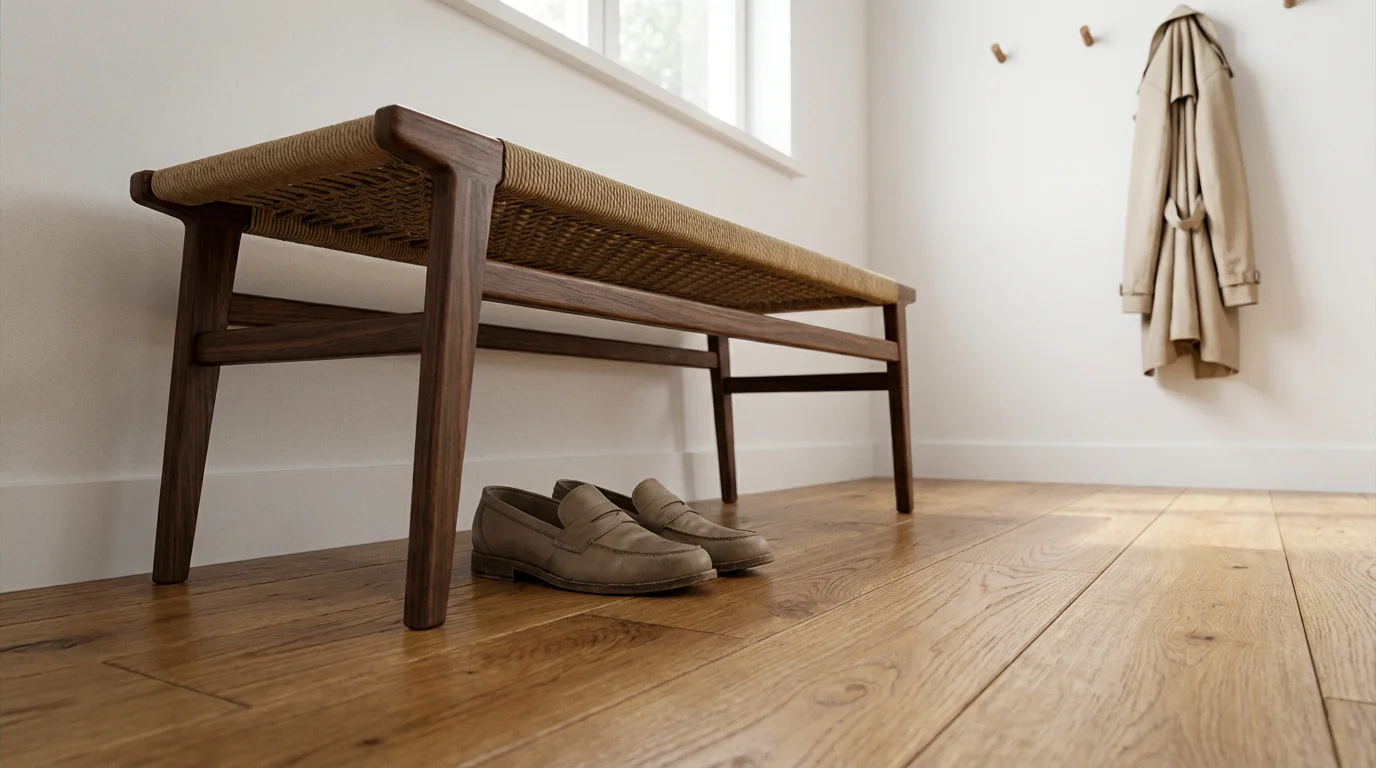
- The “Five-Minute Tidy” (Daily): Before ending your workday or leaving a room, spend five minutes putting things back in their designated homes. This habit dramatically reduces accumulating surface clutter.
- The “One In, One Out” Rule (Ongoing): When you bring a new item into your space, commit to removing a similar item. For instance, buy a new shirt, donate an old one. This prevents net accumulation.
- Weekly Reset (30-60 minutes): Dedicate a block of time each week for a deeper reset. This involves processing mail, filing documents, clearing out bags, and ensuring all “relocate” items find their true homes.
- The “Digital Declutter” (Monthly): Apply similar principles to your digital space. Delete old files, organize folders, clear your desktop, and unsubscribe from unnecessary emails. Digital clutter also impacts mental clarity.
By integrating these habits, you move from reactive decluttering to proactive organized living. Your space remains a supportive environment, consistently fostering mental clarity.

Adapting Your Approach: Different Contexts, Different Needs
Your decluttering and organization strategy must adapt to your specific living and working circumstances. The principles remain consistent, but their application varies.

Remote Workspaces
For those working from home, your workspace often overlaps with personal living areas. Establish clear boundaries, even if physical separation is not possible.
- Dedicated Zone: Even if it is a corner of a room, treat your workspace as sacred. Keep personal items out of this zone during work hours.
- End-of-Day Ritual: Create a routine to “close down” your office at the end of the day. Put away work files, turn off your monitor, and clear your desk. This signals the transition from work to personal time, preventing work clutter from invading your off-hours.
- Vertical Storage Solutions: In small spaces, leverage wall shelves, monitor stands with integrated storage, or rolling carts that can be tucked away.

Shared Office Environments
When working in an office, personalizing your space might be limited, but maintaining your immediate area is crucial for your focus and respect for colleagues.
- Minimalist Desk: Keep only essential items on your desk surface. Store personal effects in a locker or drawer.
- Digital First: Prioritize digital documents over physical printouts to reduce paper clutter. Scan and save important papers immediately.
- Personal Workspace Boundaries: Ensure your items do not spill into shared spaces or onto colleagues’ desks. Respect the shared environment.
Managing Digital Clutter
Physical decluttering often reveals a need for digital organization. Digital clutter contributes to cognitive load just as much as physical clutter.
- Clean Desktop Policy: Keep your computer desktop clear of excess files and shortcuts. Utilize folders for organization.
- Email Management: Process emails regularly. Archive or delete what you no longer need. Use folders or labels for important communications.
- Cloud Storage: Leverage cloud services to reduce local storage reliance and ensure accessibility without physical hardware.
By consciously tailoring your organized living strategies to your unique environment, you create systems that truly support your productivity and mental peace, regardless of where you are.

Overcoming Common Decluttering Pitfalls
Even with a clear framework, you might encounter common obstacles. Recognizing these pitfalls helps you navigate them effectively.
- Starting Too Big: Attempting to declutter an entire room or house at once leads to exhaustion and abandonment. Always start small, with a drawer or a single shelf, to build momentum and confidence.
- Buying More Storage Before Purging: This is a common mistake. Do not buy containers until you know exactly what you are keeping. Buying storage before decluttering simply organizes clutter, it does not eliminate it.
- Emotional Attachment Overriding Logic: It is normal to feel sentimental. However, every item cannot be a keepsake. Use the “Sentimentality Sanctuary” approach or photo documentation to preserve memories without keeping the physical item.
- Guilt Over Waste or Money: Feelings of guilt about discarded items or money spent can hinder letting go. Reframe your perspective: keeping unused items out of guilt means they continue to take up valuable mental and physical space. Donating or repurposing gives them a second life.
- Lack of a “Go-To” Destination for Discards: If you do not have a plan for where donation items go or how to dispose of trash, these items will linger. Schedule a trip to the donation center, or know your recycling rules in advance.
- Perfectionism: Aim for progress, not perfection. Your space does not need to look like a magazine spread to be functional and calming. Focus on achieving a level of organization that works for you.
Addressing these pitfalls head-on transforms potential roadblocks into opportunities for refining your approach. Embrace experimentation and iteration; your system evolves as you do.
Frequently Asked Questions
How often should I declutter?
Regular maintenance is more effective than infrequent, large-scale purges. Aim for a 5-minute daily tidy, a 30-60 minute weekly reset, and a more thorough seasonal review of larger areas. This prevents significant accumulation.
What if I regret letting something go?
Regret is a natural part of the process for some. Most often, the regret is minor and short-lived, overshadowed by the benefits of a clear space. If it is a truly essential item, you can replace it. However, this happens far less frequently than the fear suggests. Trust your initial decision.
How do I deal with family members who are not on board with decluttering?
Lead by example. Focus on your own space first and demonstrate the positive impact it has on your well-being. Offer to help them with their areas without judgment, respecting their pace and choices. Clear communication about shared spaces and expectations helps prevent conflict.
Is decluttering a one-time event?
No, decluttering is an ongoing process of managing your belongings. Life brings new items into your space, and your needs change. Developing habits of regular maintenance and mindful acquisition ensures your space remains streamlined over time.
How do I start when I feel completely overwhelmed?
Begin with the smallest, most manageable area you can imagine. Choose one drawer, one shelf, or even just your wallet. The goal is to get a quick win and build confidence. Do not aim for perfection, just progress. Set a timer for 10-15 minutes and focus solely on that small task.
What about sentimental items I really cannot part with?
Designate a specific, limited container (like a shoebox) for truly sentimental items. Only keep what fits inside. Alternatively, photograph items, create a digital album, and then release the physical item. This preserves the memory without retaining the object itself.

Your Journey to Sustained Clarity
The art of letting go is more than just tidying up; it is a profound practice in intentional living. By proactively streamlining your physical space, you reclaim valuable mental real estate. You reduce cognitive load, decrease stress, and create an environment that actively supports your focus and productivity.
Embrace this journey as an ongoing process of self-improvement. Each item you thoughtfully release contributes to a clearer mind and a more purposeful life. Your space is a reflection of your internal state; make it a sanctuary of calm and efficiency.
The information provided in this article is for general informational purposes only and does not constitute professional advice. Consult with qualified professionals for specific guidance tailored to your individual circumstances.





Leave a Reply