
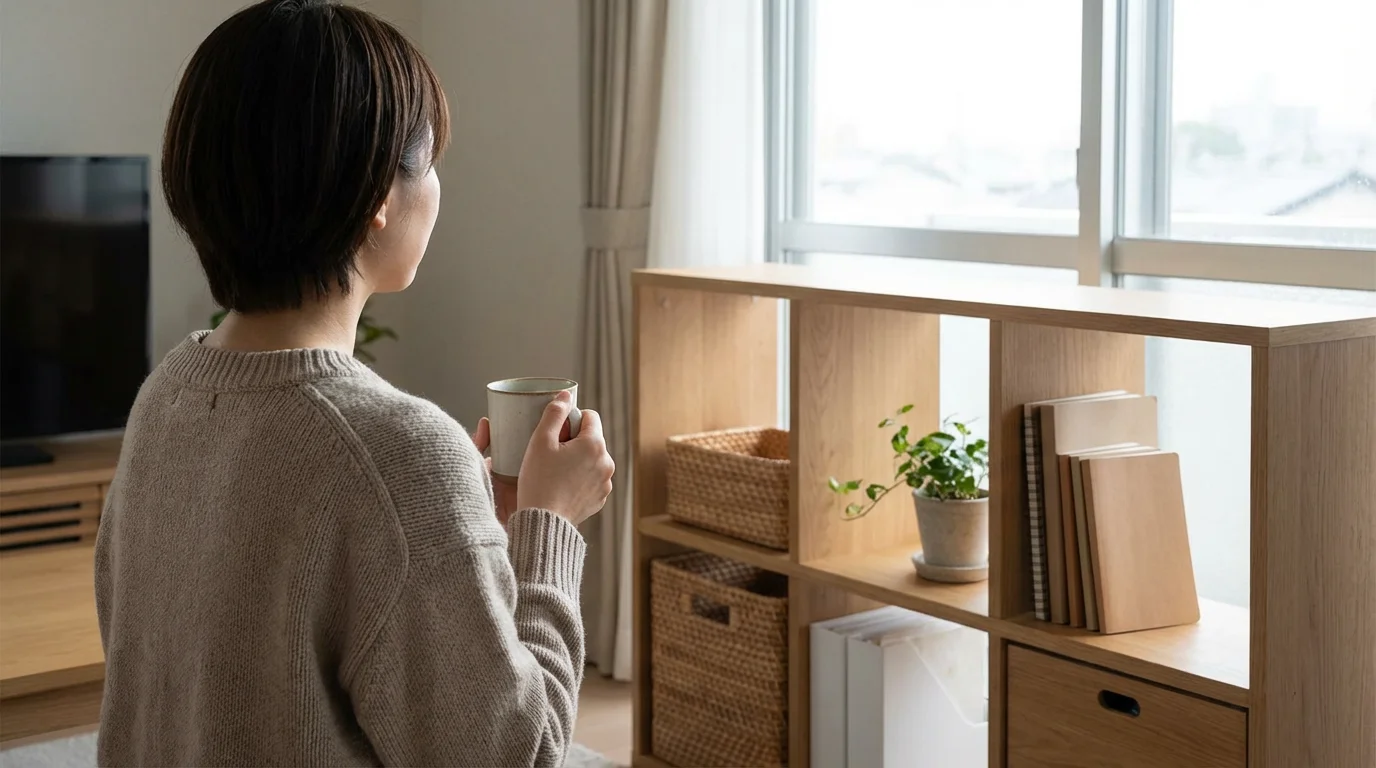
In our increasingly complex world, the concept of organized living has evolved beyond mere tidiness. It now encompasses a strategic approach to managing your physical environment to enhance focus, reduce stress, and boost productivity. This guide introduces you to minimalist living for productivity, offering practical, actionable steps to simplify your space and, by extension, simplify your life.
Many busy professionals find themselves overwhelmed by endless demands, making a cluttered physical space an additional burden. Adopting a minimalist mindset for organization helps you regain control. You will discover how intentional decluttering and systematic organization free up mental energy, allowing you to concentrate on your most important tasks.
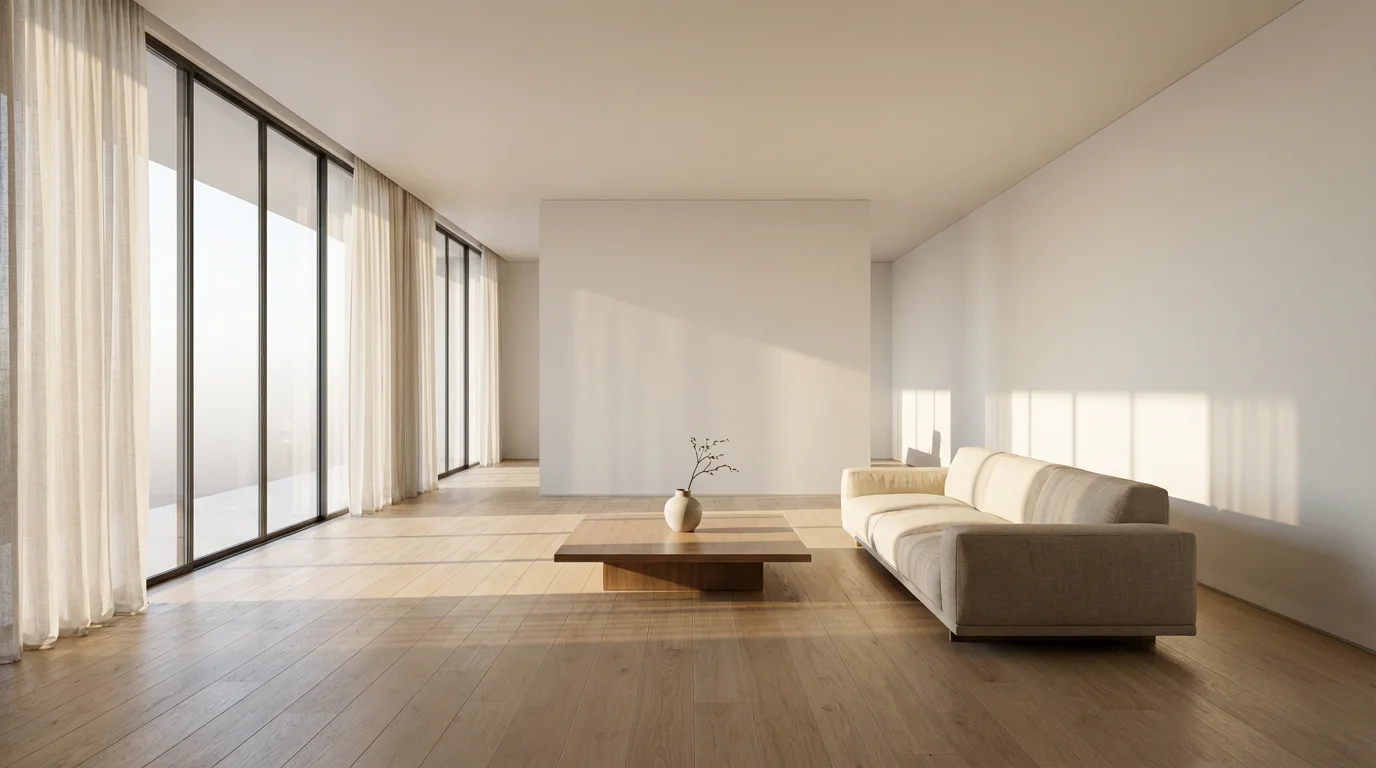
Understanding Minimalist Organized Living
Minimalist organized living means intentionally reducing the number of possessions you own to create a more functional, aesthetically pleasing, and stress-free environment. It prioritizes utility and meaning over accumulation. You are not sacrificing comfort; you are enhancing it by removing distractions and optimizing what truly serves you.
While physical decluttering is vital, learning how to organize your digital files is just as important for a truly streamlined lifestyle.
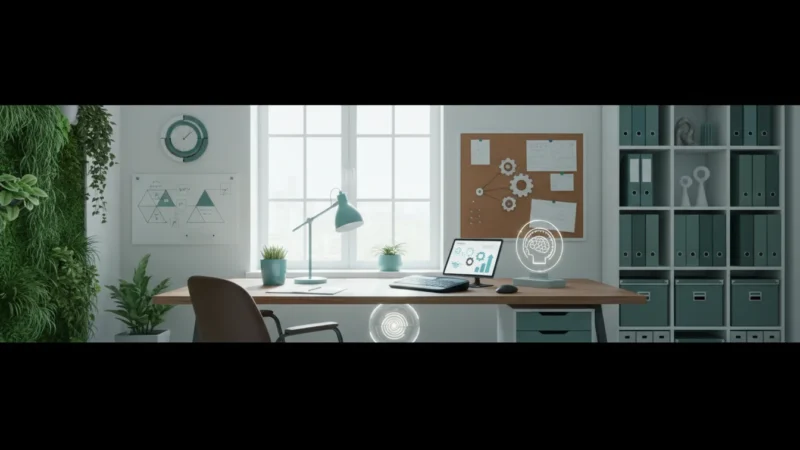
Learning how to create a minimalist home for maximum focus is essential for anyone looking to reclaim their cognitive energy and peace of mind.
The core principle is that less stuff means less to manage, clean, and worry about. This approach directly supports productivity. When your environment is streamlined, your mind experiences fewer visual distractions and less cognitive load, allowing for deeper focus on your work and personal goals.
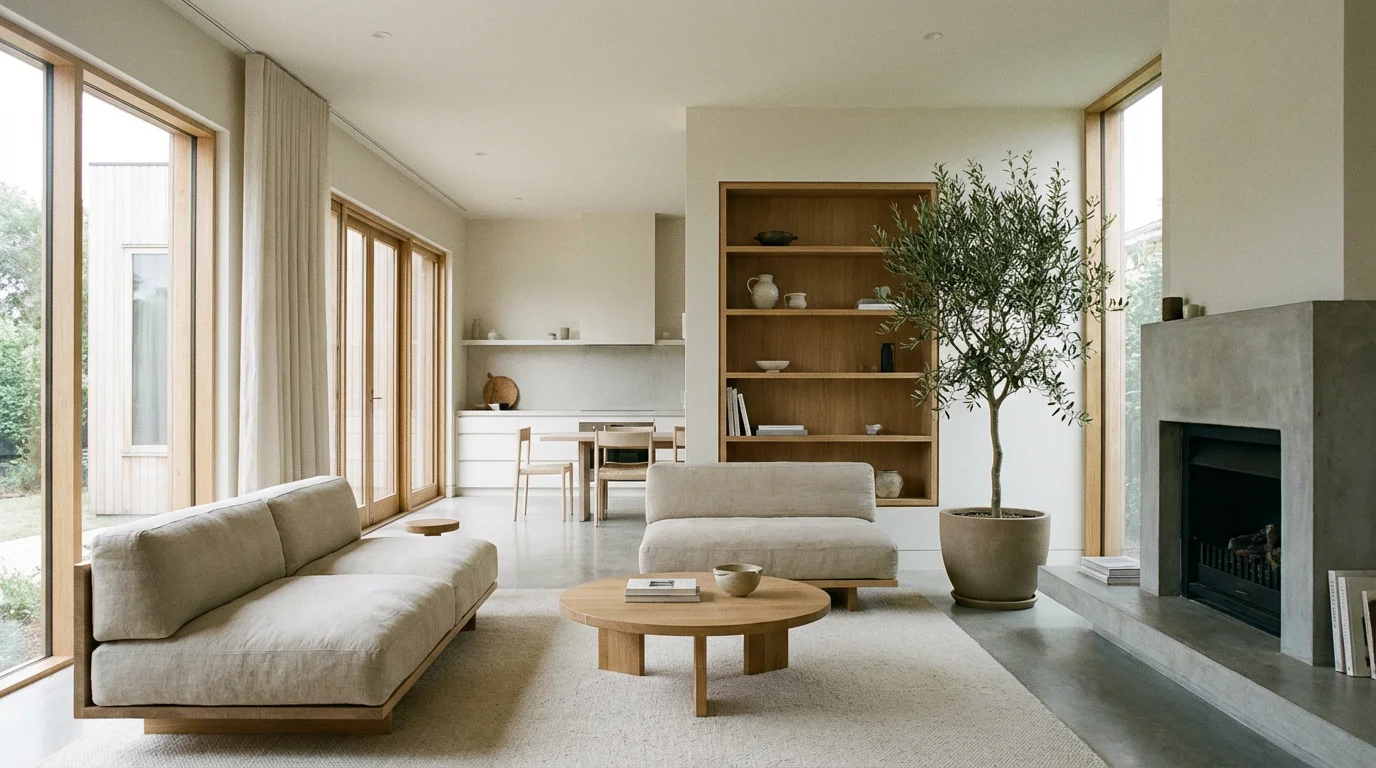
What Does Minimalism Mean for Your Home?
For your home, minimalism translates into purposeful design and curation. It involves making conscious decisions about every item you bring into your space. Consider whether each item adds value, beauty, or function to your daily life. If it does not, you might not need it.
This isn’t about emptying your home entirely. It is about creating systems where everything has a place and serves a purpose. It encourages a living space that feels calm and inviting, not overwhelming. This careful curation leads to a lasting sense of peace and order.

The Psychology of Clutter and Organization
Your physical environment significantly impacts your mental state. Research indicates a strong link between clutter and increased stress, anxiety, and difficulty focusing. A disorganized space can trigger your brain’s stress response, making it harder to relax or concentrate on complex tasks.
Clutter demands your attention, even subconsciously. Each visible item is a potential prompt for a task, a memory, or a decision, creating a constant hum of background noise in your mind. This cognitive overload depletes your mental resources, leaving you feeling drained and less productive.
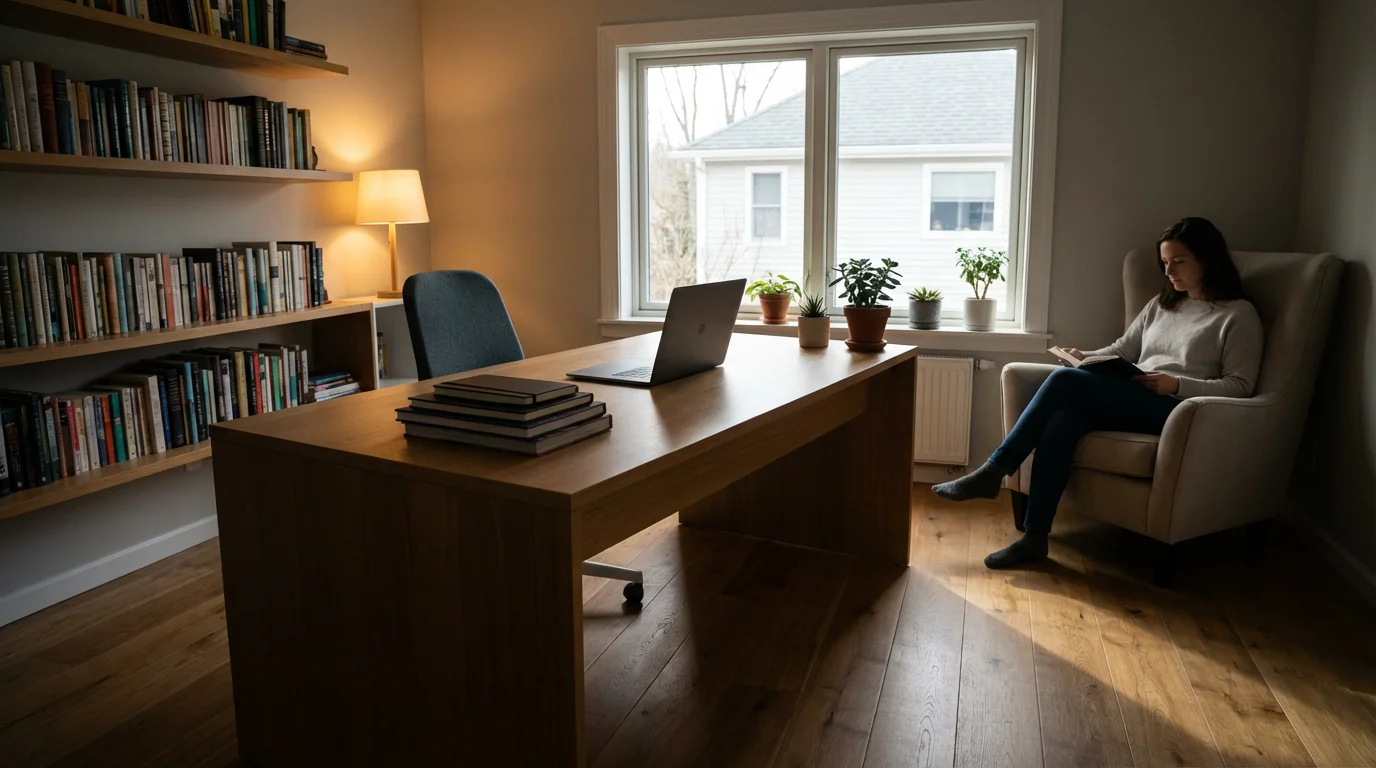
The Cognitive Benefits of an Organized Space
Conversely, an organized, minimalist environment fosters clarity and calm. When you eliminate visual noise, your brain can process information more efficiently. This reduction in sensory input allows for improved concentration and enhanced decision-making abilities.
Organized living promotes a sense of control. Knowing where everything is and having clear pathways reduces daily friction. This predictability helps lower stress levels and builds a foundation for more consistent, focused work. You experience less decision fatigue when fewer items compete for your attention.
“Clarity about what matters provides clarity about what does not.” — Deep Work Principle

Decluttering Fundamentals: Your First Steps
Embarking on a decluttering journey can feel overwhelming, but a systematic approach makes it manageable. Start small, focus on one area, and build momentum. Remember, the goal is progress, not perfection.
If you feel overwhelmed by the task ahead, following a room-by-room guide to organized living can provide the structure you need.

The Four-Box Method
A highly effective strategy for initial decluttering is the “Four-Box Method.” Designate four boxes or areas: Keep, Donate/Sell, Trash, and Relocate. This simple system provides clear categories for every item you encounter.
- Choose a Small Area: Begin with a single drawer, a shelf, or a small section of a room. Dedicate 30 to 60 minutes to this area.
- Empty the Space: Take everything out of your chosen area. This allows you to see the true volume of items and start fresh.
- Sort Each Item: Pick up each item individually and decide its fate:
- Keep: Items you regularly use, love, or truly need.
- Donate/Sell: Items in good condition that you no longer need or want. Consider local charities, consignment shops, or online marketplaces.
- Trash: Broken, expired, or unusable items.
- Relocate: Items that belong in another part of your home. Put them in this box to deal with later, once your current area is complete.
- Process the Boxes: Immediately empty the Trash and Relocate boxes. Schedule a time to take the Donate/Sell box out of your home within 48 hours. This prevents re-cluttering.

The “One In, One Out” Rule
To maintain your decluttered space, adopt the “One In, One Out” rule. For every new item you bring into your home, commit to removing an existing, similar item. This applies to clothes, books, kitchen gadgets, and more. This rule prevents accumulation and encourages mindful purchasing.
For example, if you buy a new shirt, donate an old one. If you purchase a new coffee mug, retire an old, chipped one. This simple habit supports a sustainable level of possessions and reinforces your minimalist goals.

Creating Functional Zones in Your Home
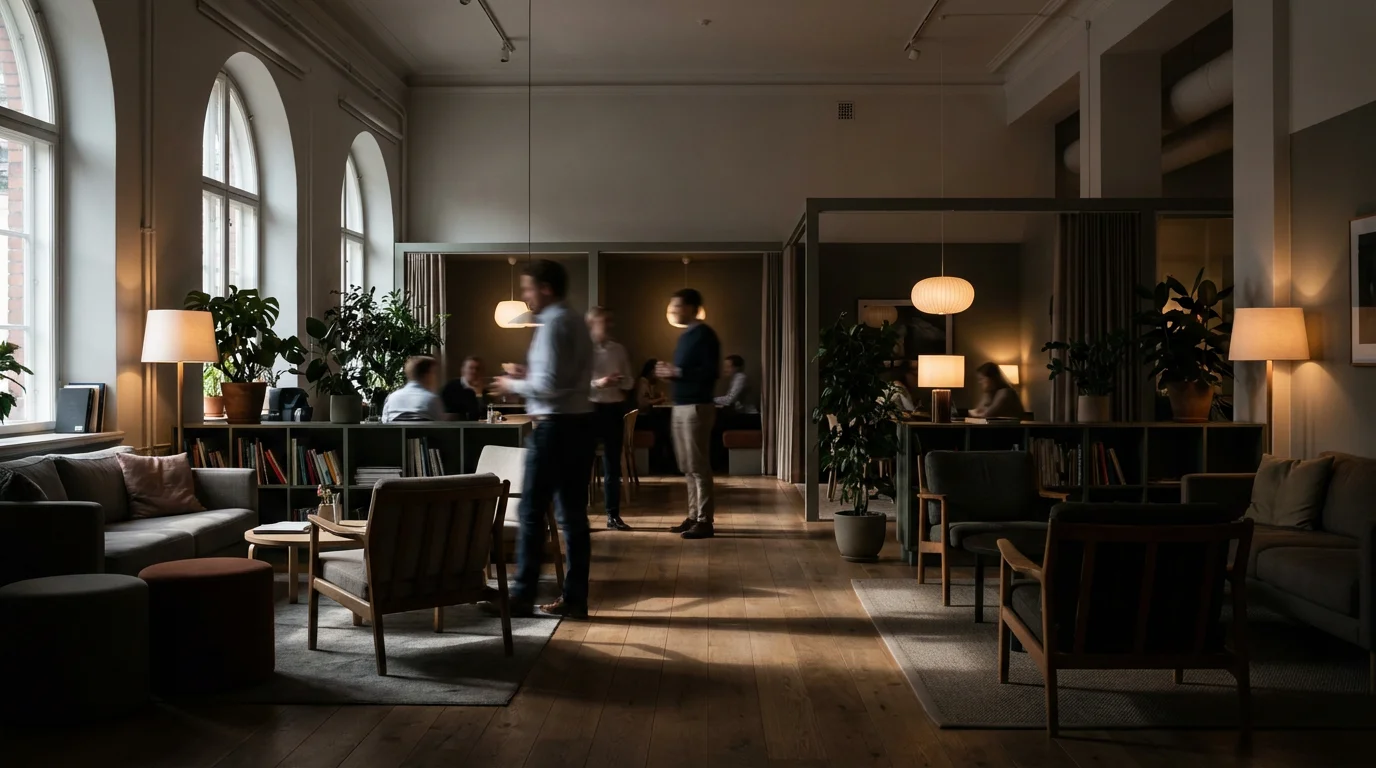
An organized home supports organized living by creating specific zones for specific activities. This reduces mental friction and ensures you always know where to perform a task or find an item. Think about how you use each area of your home and design it accordingly.
Define Your Zones
Identify the primary functions of each room or area. For instance, your living room might have a relaxation zone and a reading zone. Your kitchen might have a cooking zone, a baking zone, and a coffee station. Clearly defining these areas helps you organize items logically.
Consider the flow of your daily activities. What items do you need for each activity? Group these items together within their designated zone. This makes tasks more efficient and less frustrating. You will spend less time searching and more time doing.
Example: The Entryway Drop Zone
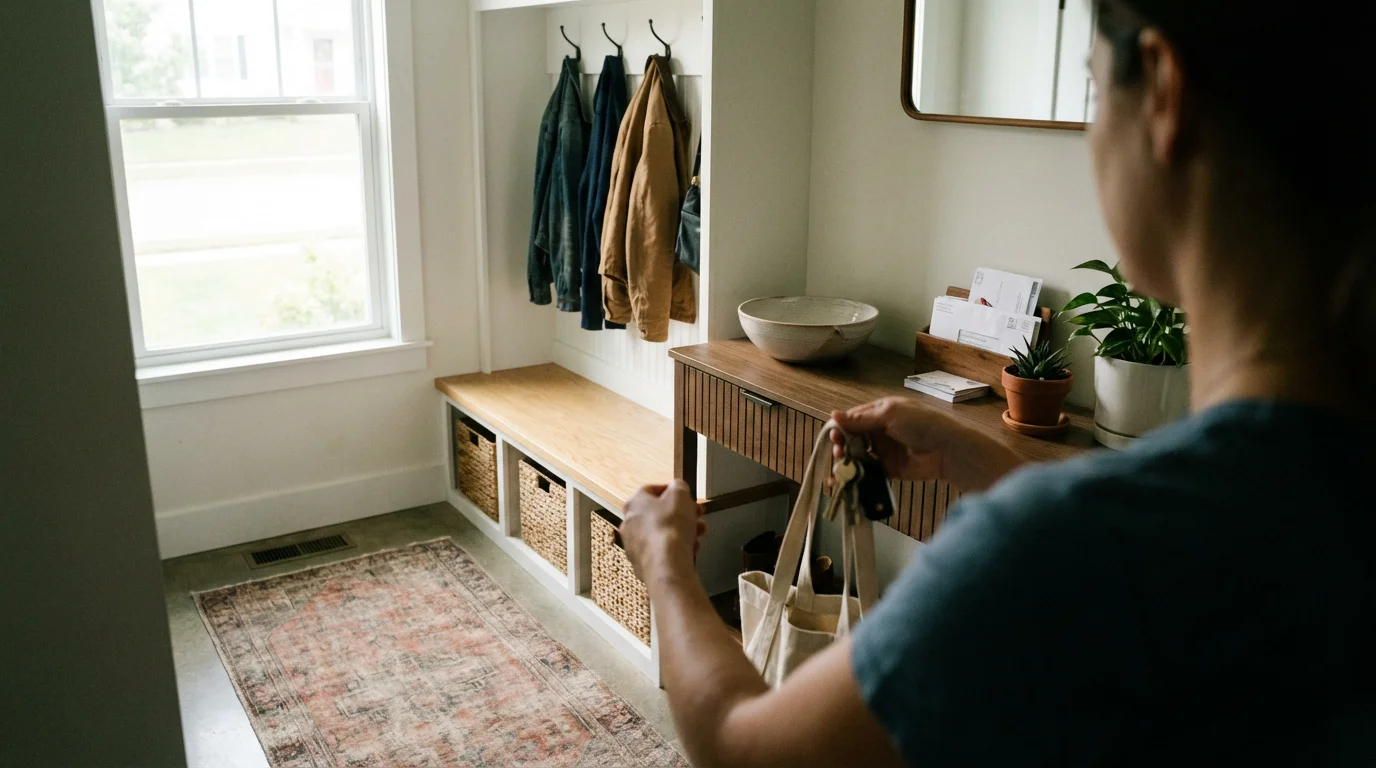
Your entryway is a prime example of where a functional zone can significantly reduce daily clutter. This area often becomes a dumping ground for keys, mail, bags, and shoes. Creating a designated “drop zone” simplifies your arrival and departure routines.
- Keys: Install a wall hook or place a small dish on a console table.
- Mail: Use a slim wall-mounted organizer for incoming and outgoing mail. Immediately sort mail into action, shred, or file categories upon arrival.
- Shoes: A compact shoe rack or tray keeps footwear contained and prevents tripping hazards.
- Bags: Designate a hook for your work bag, gym bag, or purse.
Implementing these small changes in your entryway helps prevent items from migrating deeper into your home and creating wider disarray. This simple system ensures essential items are always accessible when you need to leave.

Optimizing Your Workspace for Focus
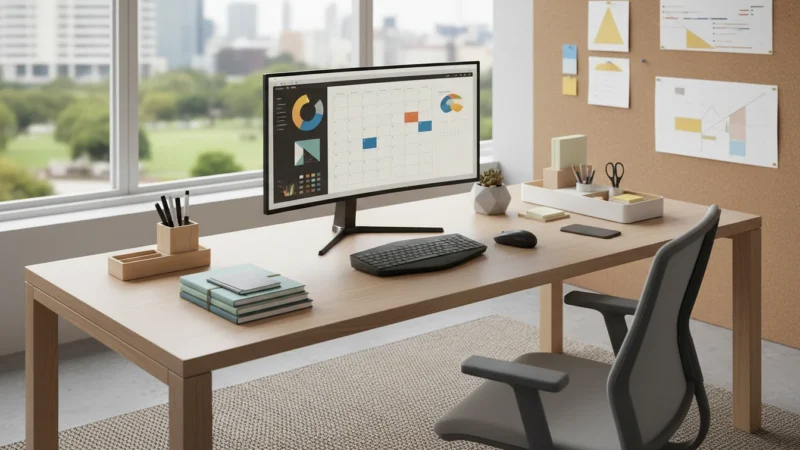
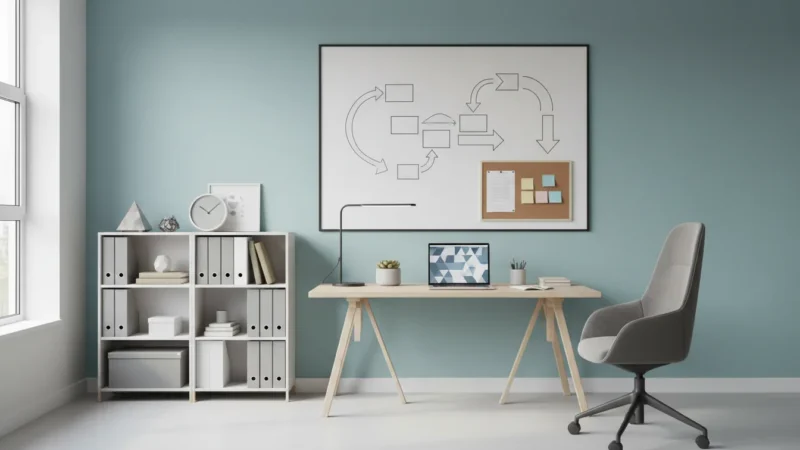
Your workspace is a critical area for minimalist organization, especially for busy professionals. A clutter-free desk is not just aesthetically pleasing; it is a powerful tool for enhancing focus and reducing cognitive load. Every item on your desk competes for your attention.
An optimized workspace reduces visual distractions, making it easier to enter and maintain a state of deep work. You minimize the mental effort required to filter out irrelevant stimuli. This direct correlation between environment and performance is a cornerstone of focused productivity.

Key Principles for a Minimalist Workspace
Adopt these principles to transform your workspace into a hub of productivity:
- Clear the Decks: Only keep items on your desk that you use daily or hourly. Store everything else in drawers or cabinets. This creates a clean visual field.
- Digital Declutter: Extend minimalism to your digital space. Organize desktop files, downloads, and email inboxes regularly. Use cloud storage and digital note-taking tools to reduce paper.
- Ergonomics First: Ensure your chair, monitor height, and keyboard position are ergonomically sound. A comfortable body supports a focused mind.
- Minimize Visual Stimuli: Keep decor minimal. A single plant, a family photo, or a piece of art can add personality without adding clutter. Avoid excessive knick-knacks.
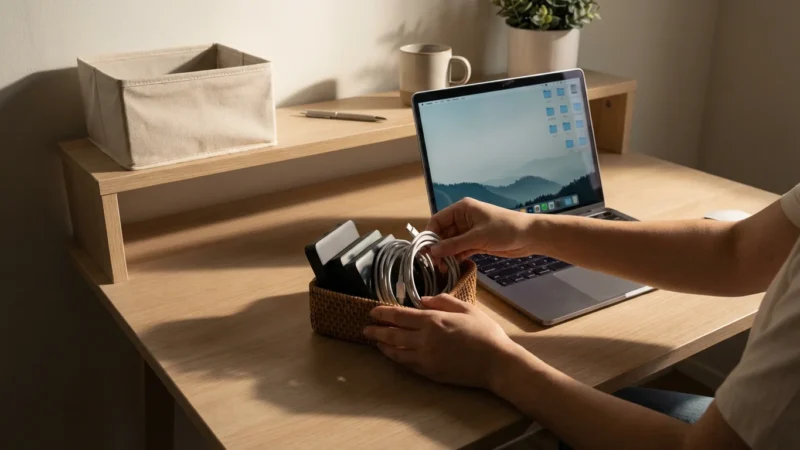
- Cable Management: Untangle and conceal cables. Loose cables create visual chaos and can be distracting. Use cable ties, sleeves, or desk grommets.

Worked Example: Desk Organization
Imagine your desk is currently covered with papers, pens, charging cables, and various stationery. Here is how you can apply minimalist principles:
- Clear Everything Off: Remove every item from your desk surface and wipe it clean.
- Sort and Categorize: Go through each item.
- Keep on Desk: Laptop, monitor, mouse, keyboard, a single pen holder with 2 to 3 pens, a small notebook.
- Store in Drawer: Extra pens, stapler, paper clips, sticky notes, charging cables not currently in use.
- File/Scan: Papers that require action or archiving. Handle immediately or schedule time within 24 hours.
- Trash: Empty coffee cups, old receipts, broken items.
- Organize Drawers: Use drawer dividers to give every stored item a specific home. Group similar items together.
- Cable Management: Bundle charging cables for devices you use daily. Use adhesive clips to route them neatly along the desk edge or leg.
This process, taking about 30 to 45 minutes, immediately transforms your workspace. You will notice an immediate difference in your ability to focus without extraneous items drawing your eye.

Sustainable Habits for Long-Term Minimalism
Decluttering is a significant step, but maintaining an organized, minimalist lifestyle requires consistent habits. Think of it as a continuous process, not a one-time event. Integrating small, regular actions into your routine will prevent clutter from accumulating again.
A simple yet powerful technique is the 10-minute daily tidy-up habit, which prevents daily messes from turning into overwhelming clutter.
Building these habits creates a self-sustaining system. You move from reactive decluttering to proactive maintenance, significantly reducing the effort required to keep your space tidy. This approach promotes long-term peace of mind and sustained productivity.

Daily and Weekly Rituals
- The 10-Minute Tidy: Dedicate 10 minutes each evening to putting things back in their place. This prevents small items from accumulating into large piles.
- “Reset” Your Workspace: At the end of each workday, clear your desk, put away files, and prepare your space for the next day. This creates a fresh start every morning.
- Weekly Review: Spend 30 minutes once a week reviewing one small area, like a specific drawer or a bookshelf. Discard or relocate anything that has crept in.
- Process Mail Immediately: As mail enters your home, sort it into action, file, or trash categories. Avoid creating to-sort piles.

Mindful Consumption
A crucial aspect of long-term minimalism is mindful consumption. Before purchasing any new item, pause and ask yourself these questions:
- Do I genuinely need this item, or do I just want it?
- Does it serve a clear purpose or fill a specific void?
- Do I already own something similar that can fulfill the same function?
- Where will this item live in my home? Does it have a designated place?
- Will this purchase add value to my life, or will it create more clutter?
This intentional approach to buying reduces impulse purchases and ensures that only items you truly value enter your space. It is a powerful way to support your organized living goals.

Overcoming Common Decluttering Challenges
Even with the best intentions, you will encounter obstacles on your journey to minimalist organized living. Recognizing these common challenges helps you prepare and develop strategies to overcome them, ensuring your progress continues.
For those who struggle with sentimental items, learning how to use the KonMari method can provide a fresh perspective on what to keep.
Emotional Attachments to Items
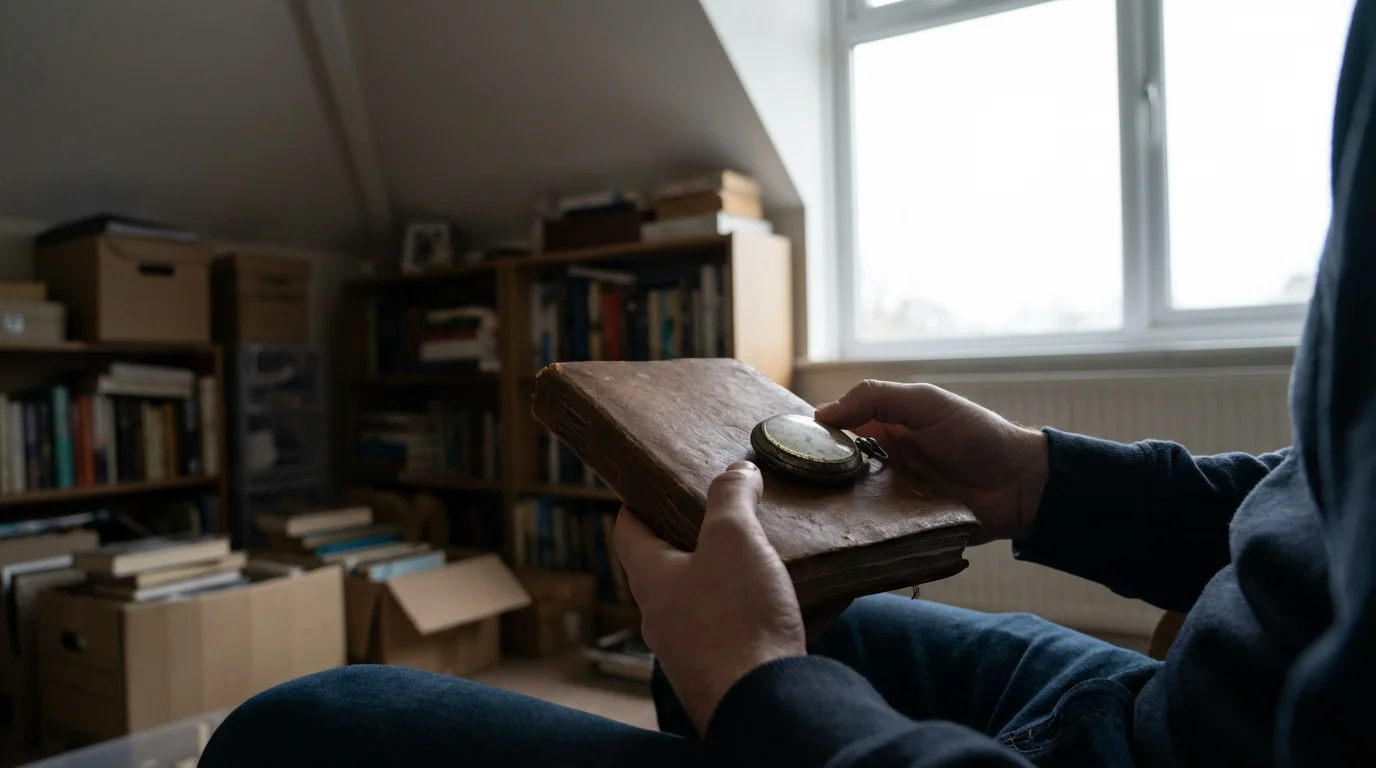
Many items hold sentimental value, making them difficult to let go of. You might associate an item with a person, an event, or a past version of yourself. This emotional connection can be a significant barrier to decluttering.
- Strategy: Create a “Memory Box”: Designate one box for truly sentimental items. Limit yourself to what fits in this box. This honors your memories without cluttering your entire home.
- Strategy: Photograph Items: Take a photo of the item before letting it go. The memory remains, but the physical object does not take up space.
- Strategy: Focus on the Future: Remind yourself that a clear, organized space supports your future goals and well-being more than holding onto items from the past.

The Fear of Needing It Later
This challenge, often called “just in case” thinking, leads to keeping items you rarely use. You worry that disposing of something will inevitably lead to a situation where you suddenly need it.
- Strategy: The 20/20 Rule: If you can replace an item for less than $20 and in less than 20 minutes, you can safely let it go. Most just in case items fall into this category.
- Strategy: Track Usage: If you are unsure about an item, place it in a designated “uncertain” box. After three to six months, if you have not needed it, you can confidently let it go.
- Strategy: Borrow or Rent: For very specific, rarely used items, such as a specific tool, consider borrowing from a friend or renting instead of owning.

Lack of Time or Energy
Busy schedules and fatigue can make decluttering feel like an impossible task. You might feel too overwhelmed to even begin.
- Strategy: Micro-Decluttering: Commit to just 5 to 10 minutes a day. Tackle one small drawer, one shelf, or even just one counter space. Small, consistent efforts yield significant results over time.
- Strategy: Schedule It: Treat decluttering like any other important appointment. Block out 30 to 60 minutes in your calendar once a week or month.
- Strategy: Focus on High-Impact Areas: If time is very limited, focus your efforts on areas that cause the most stress or impact your daily productivity, such as your desk or kitchen counter.
Frequently Asked Questions
How long does it take to truly organize my entire home minimally?
The timeline varies significantly based on your current level of clutter and the size of your home. For a moderate amount of clutter, expect several weeks to a few months of consistent effort. Remember, it is a journey, and sustainable change takes time. Focus on daily progress, not an arbitrary deadline.
Do I need special organizing products to achieve a minimalist home?
No, you do not. Minimalism often encourages using what you already have or finding simple, multi-purpose solutions. Before buying new containers or organizers, declutter first. You will discover you need far less storage than you initially thought. When you do purchase, choose versatile, durable items that fit your aesthetic.
Can a family with children adopt minimalist organized living?
Absolutely. Minimalist living with children focuses on curating toys, clothing, and supplies, and teaching children to be mindful consumers. You can involve children in the decluttering process, teaching them to appreciate what they have and to let go of items they no longer use. Establish clear storage systems for their belongings to make tidying up easier.
What is the difference between minimalism and tidiness?
Tidiness is the act of keeping things neat and in order, usually on a surface level. Minimalism is a deeper philosophy about intentional living that involves owning fewer possessions in the first place, focusing on items that add true value. A tidy home can still be full of unused items, while a minimalist home focuses on owning less, leading to inherent tidiness.
What if I start decluttering and get overwhelmed?
It is common to feel overwhelmed. When this happens, stop and take a break. Re-evaluate your approach. Perhaps you tried to tackle too large an area. Break it down further into smaller, manageable chunks, like a single shelf or drawer. Focus on making one decision at a time. Celebrate small victories to maintain motivation.

Embracing a Simpler, More Productive Life
Embracing minimalist organized living is a transformative process. It moves beyond simply tidying up; it is about cultivating an environment that actively supports your goals, reduces stress, and liberates your mental energy. You are building a foundation for sustained focus and greater overall well-being.
The journey may have its challenges, from sentimental attachments to the sheer effort involved. However, the rewards, a calmer mind, increased productivity, and a more intentional way of living, are profoundly impactful. Start small, be consistent, and celebrate every step you take towards a simpler, more organized life.
The shift to a minimalist mindset is a powerful investment in yourself. You gain not just a tidy home, but also a clearer mind and a greater capacity to pursue what truly matters. Begin today, and experience the profound benefits of simplifying your space to simplify your life.
Disclaimer: The information provided in this article is for general informational purposes only and does not constitute professional advice. While we strive to provide accurate and helpful content, individual situations vary. Always seek the advice of qualified professionals for specific concerns or before making significant changes to your lifestyle or environment.
This rule is the foundation for anyone looking to simplify your life with a capsule wardrobe by maintaining a focused and functional collection of clothing.



Leave a Reply