
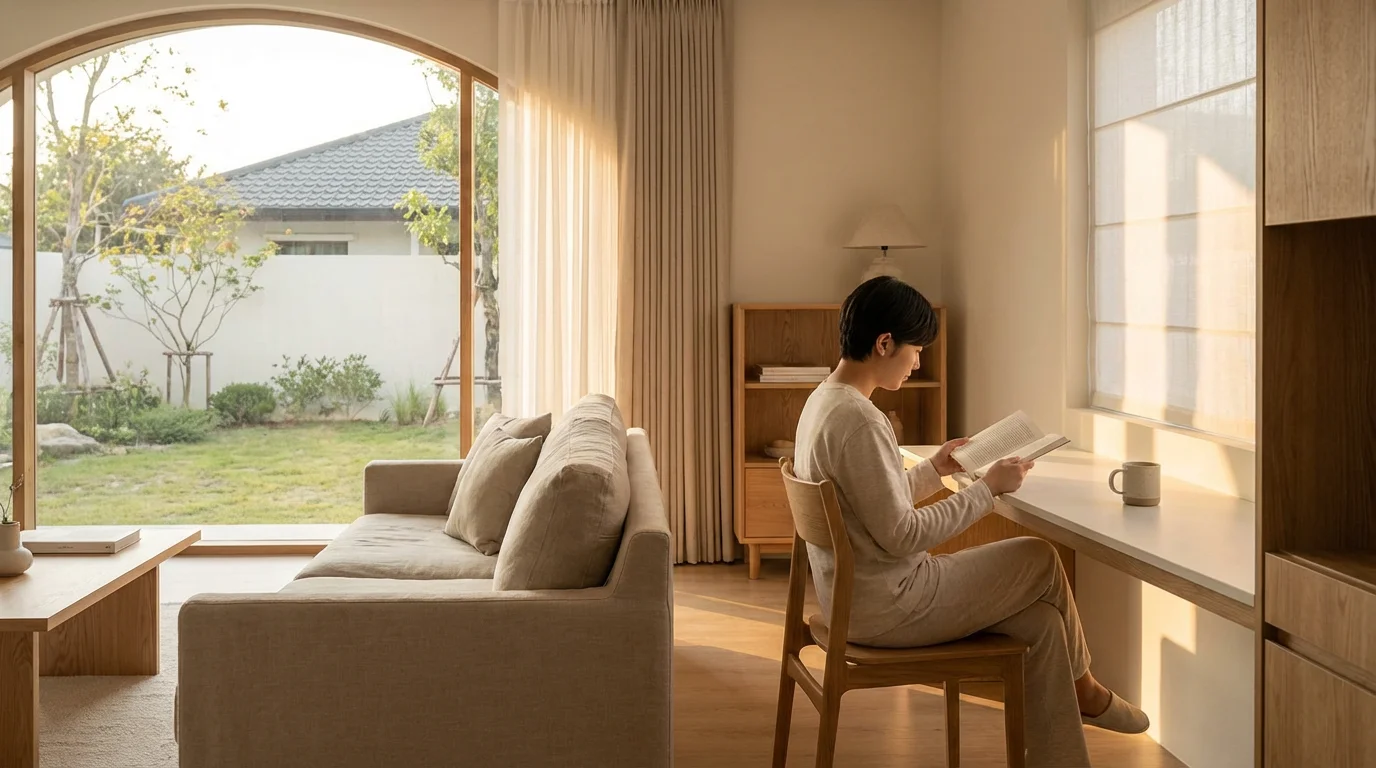
In our fast-paced world, maintaining focus often feels like an uphill battle. Distractions come from every angle, and surprisingly, many originate from within your own living spaces. A cluttered home leads to a cluttered mind, directly impacting your ability to concentrate, solve problems, and achieve deep work.
Maintaining this sanctuary is easier when you implement a 10-minute daily tidy-up to handle small messes before they accumulate.
This comprehensive guide shows you how to transform your home into a minimalist sanctuary. You will discover practical, science-backed strategies for organized living, designed to reduce cognitive load and boost your productivity. We move beyond aesthetics, focusing on functional minimalism that supports your goals and enhances your daily life.

Understanding the Link Between Clutter and Cognition
Your environment directly influences your mental state. Research consistently demonstrates a strong correlation between physical clutter and reduced focus, increased stress, and diminished information processing abilities. Every item in your visual field demands a tiny fraction of your attention, contributing to cognitive overload.
This constant stream of minor distractions prevents your brain from fully engaging with complex tasks. When your space is overwhelmed, your brain struggles to filter out irrelevant stimuli. It expends valuable energy simply trying to organize and make sense of the visual noise around you.
A minimalist environment, on the other hand, reduces these unnecessary demands. It frees up mental bandwidth, allowing you to direct your full attention to your work or chosen activity. This concept forms the foundation of effective organized living.
- Reduced Cognitive Load: Fewer items mean fewer decisions and less information for your brain to process.
- Improved Focus: A calm visual environment supports sustained attention on tasks.
- Decreased Stress and Anxiety: Order brings a sense of control and calm, lowering cortisol levels.
- Enhanced Decision-Making: With less mental noise, you make clearer, more efficient choices.
- Increased Productivity: Less time searching for items translates directly into more time working or engaging in meaningful activities.
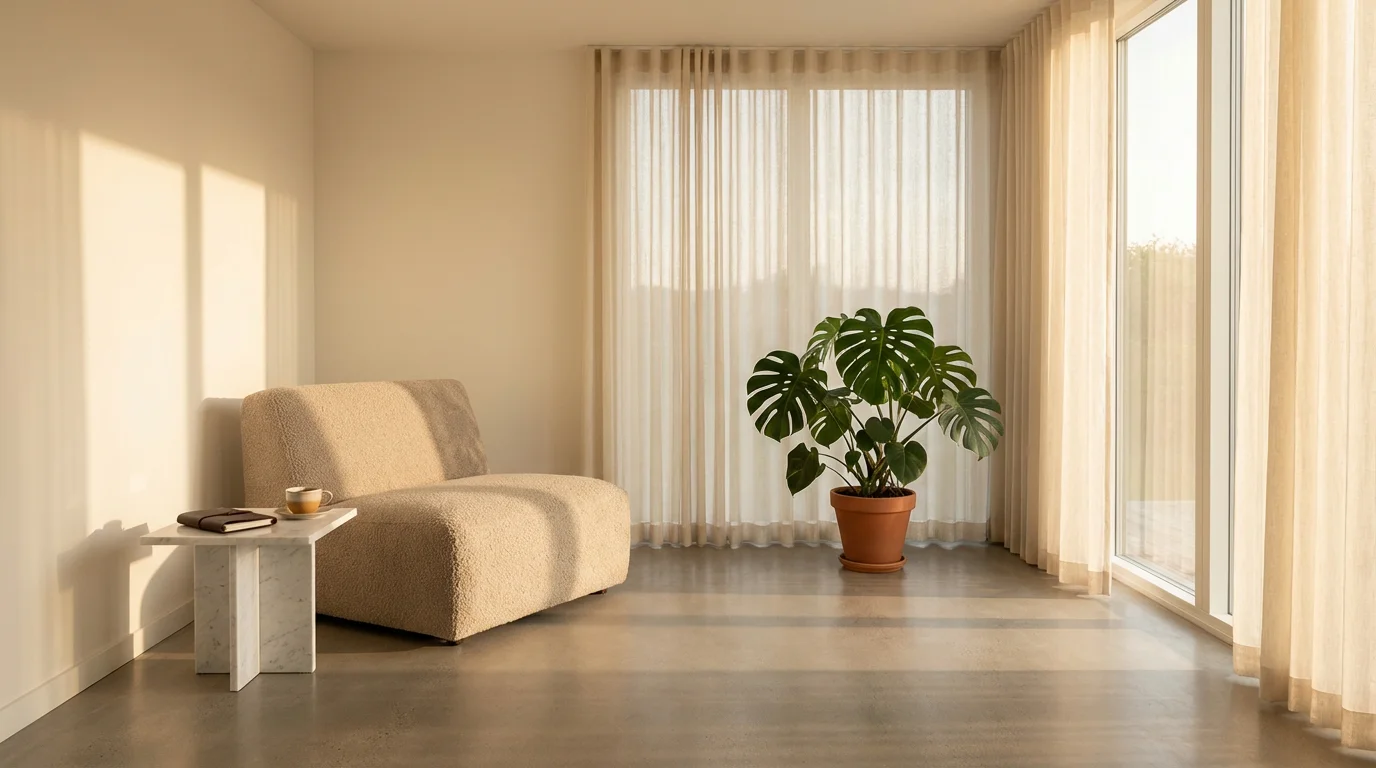
Defining Your Minimalist Vision: Beyond Empty Rooms
Minimalism is not about deprivation or living in stark, empty rooms. It is a purposeful approach to organized living, focusing on what genuinely adds value and supports your lifestyle. Your minimalist journey begins by defining your unique vision for a focused, functional home.
In addition to physical order, many find that harnessing stillness through intentional silence complements a minimalist home perfectly.
To build a truly functional home, it can be helpful to follow a room-by-room guide to organized living that addresses each space individually.
Consider what truly matters to you. What activities do you want to prioritize? How does your ideal home support your professional and personal goals? This clarity guides your decluttering and organizing decisions, ensuring your space reflects your aspirations.
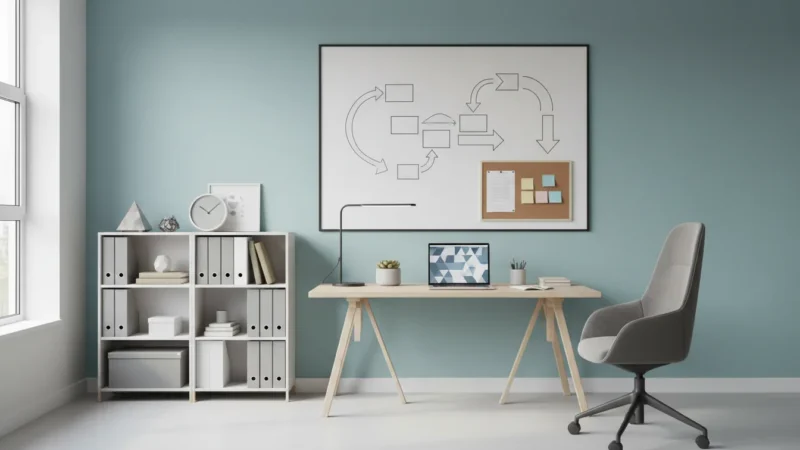
Start by envisioning specific areas. For your workspace, imagine a desk with only essential tools, promoting deep concentration. For your living room, picture a space inviting relaxation and connection, free from visual chaos. This exercise grounds your efforts in meaningful outcomes.
- Identify Your Core Values: What do you cherish most, such as family, learning, creativity, health, or tranquility?
- List Your Priority Activities: What do you spend most of your time doing, or wish to spend more time doing, for example, writing, reading, meditating, cooking, or exercising?
- Imagine Your Ideal Day: How would a streamlined home support each part of this day, from waking to winding down?
- Define “Enough”: What quantity of possessions feels sufficient and supportive, without being overwhelming?
- Focus on Function and Purpose: Every item should serve a clear function or bring genuine joy.
This vision acts as your compass throughout the decluttering process. It reminds you why you are making these changes, especially when facing difficult decisions about certain items.
The Focused Decluttering Method: A Step-by-Step Approach
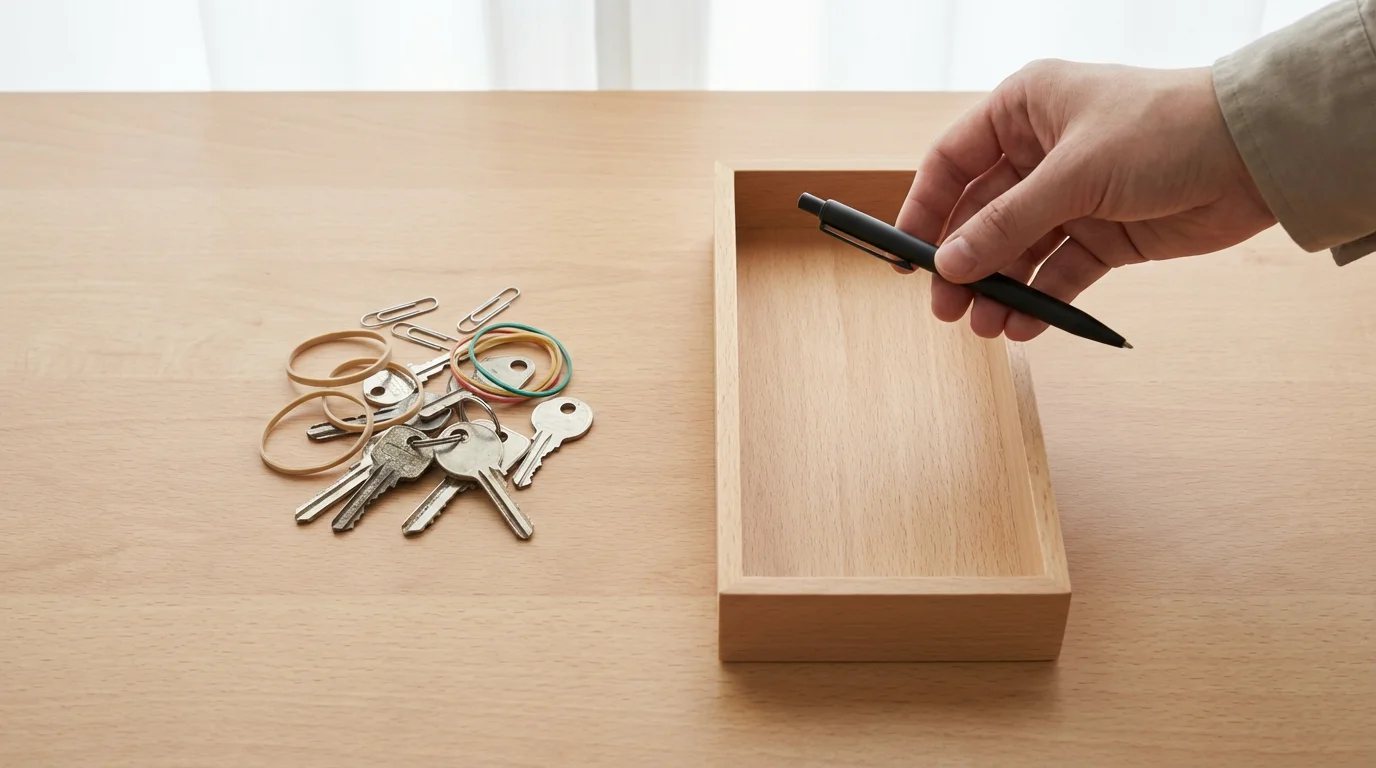
Effective decluttering requires a structured approach. The Focused Decluttering Method breaks down the process into manageable, actionable steps, preventing overwhelm. This system ensures every decision moves you closer to your minimalist vision, creating a clutter-free environment.
You might also find success by learning how to use the KonMari method to ensure every item in your home truly serves your productivity.
Instead of tackling your entire home at once, select one small area or category to begin. This could be a single drawer, a shelf, or a specific type of item, like books or clothing. Small wins build momentum and confidence, making the larger task feel less daunting.
Allocate a specific timeframe for each session, perhaps 30-60 minutes. This prevents decision fatigue and helps you maintain focus. Work systematically, completing one area before moving to the next. Remember, consistency over intensity yields the best long-term results.
- Prepare Your Workspace: Gather four large boxes or bins labeled “Keep,” “Donate,” “Discard,” and “Relocate.” Put on some focused music or ensure a quiet environment.
- Choose a Small Area: Start with a low-impact area, like a single desk drawer, a bathroom cabinet, or one shelf in your pantry. Avoid starting with highly sentimental areas initially.
- Remove Everything: Take every single item out of your chosen area. This gives you a blank slate and allows you to see everything you own.
- Evaluate Each Item: Pick up each item individually. Ask yourself these questions:
- Does it serve a clear purpose in my current life?
- Do I use it regularly, at least once a year?
- Does it bring me genuine joy or support my vision?
- Do I have duplicates of this item?
- Assign to a Box:
- Keep: Items that clearly meet your criteria and belong in this area.
- Donate: Items in good condition that someone else could use.
- Discard: Broken, expired, or unusable items that belong in the trash or recycling.
- Relocate: Items that belong elsewhere in your home, for example, a pen from the kitchen that belongs on your desk.
- Immediately Action “Donate” and “Discard”: Do not let these boxes linger. Take donations to a drop-off point and dispose of trash promptly.
- Return “Keep” Items Thoughtfully: Only put back the items you have decided to keep. Organize them logically, using containers or dividers if necessary to maintain order.
- Integrate “Relocate” Items: Take items from the “Relocate” box to their proper homes immediately, or schedule a dedicated 15-minute slot to do this for all relocated items.
Worked Example: Decluttering Your Home Office Desk (30 minutes)
You decide to tackle your desk. You prepare your four boxes. You remove everything from the surface and drawers. You find:
- Pens: 15 pens, only 3 work well. (Discard 12, Keep 3 functional pens).
- Notebooks: 5 partially used notebooks. You prefer digital notes now. (Discard 2 filled, Keep 1 blank for quick notes, Donate 2 gently used).
- Old mail and papers: A stack of bills and statements from months ago. (Discard 80% after scanning important ones, Relocate 1 current bill to the “to-do” pile).
- Coffee mug: Three mugs on the desk. You only use one. (Relocate 2 to the kitchen cabinet).
- Random gadgets: An old USB stick, a broken calculator, tangled charging cables. (Discard broken items, Keep 1 essential charging cable, Relocate USB to designated tech drawer).
By following these steps, your desk becomes a clear, focused workspace in just half an hour. You now have fewer distractions and a clear surface to work on.
Optimizing Your Workspace: The Hub of Focus
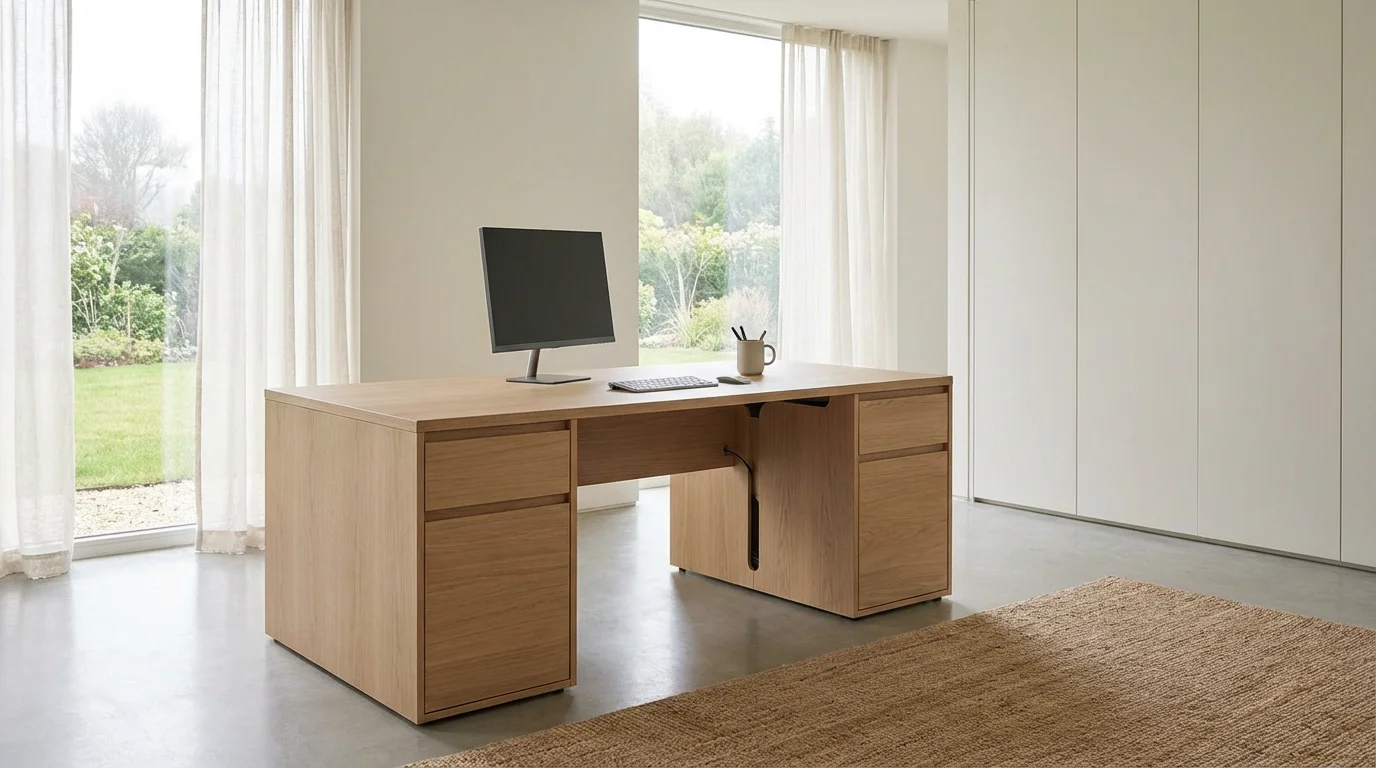
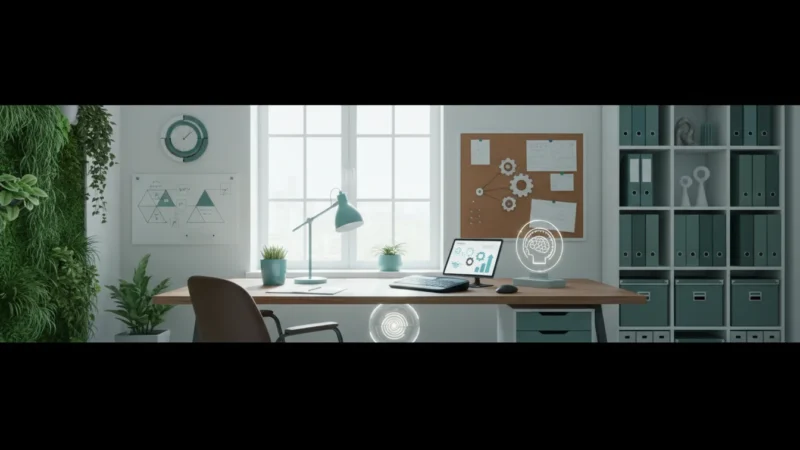
Your workspace is often the epicenter of your productive life. Optimizing this area for minimalism and efficiency directly translates into enhanced focus and reduced mental fatigue. A well-designed workspace supports deep concentration, allowing you to enter flow states more easily.
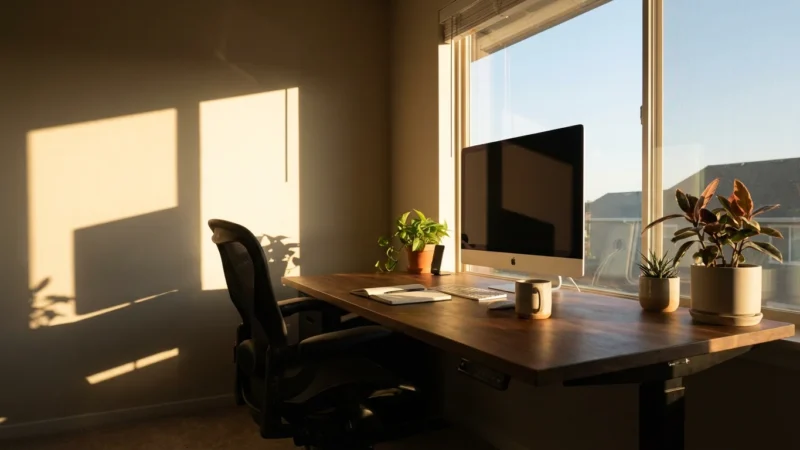
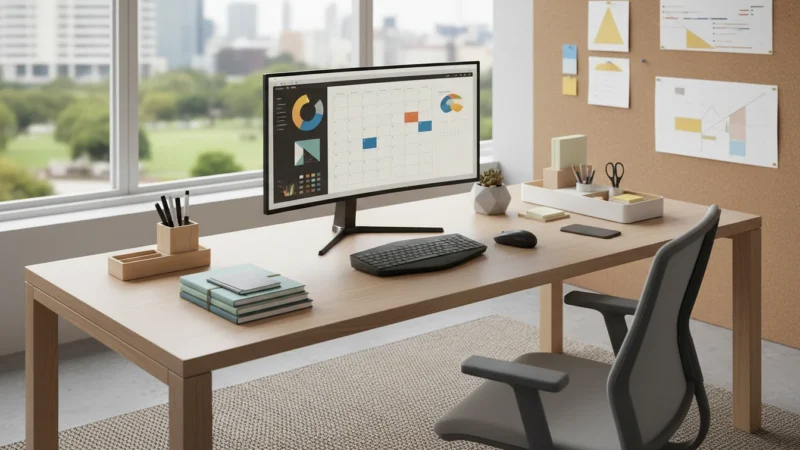
Start with the basics: your desk. A clear desk surface is paramount. Only keep items you use daily within arm’s reach. Store less frequently used items in drawers or on shelves. This reduces visual clutter and provides a clean slate for your mind.
Consider ergonomics and lighting. Position your monitor at eye level, ensuring your chair supports good posture. Natural light is ideal, but supplement with good task lighting that prevents eye strain. These elements contribute significantly to sustained focus and physical comfort throughout your workday, whether you work remotely, in an office, or a hybrid setting.
- Declutter Your Desk Surface: Keep only your computer, keyboard, mouse, and perhaps one essential notebook or pen. Store everything else away.
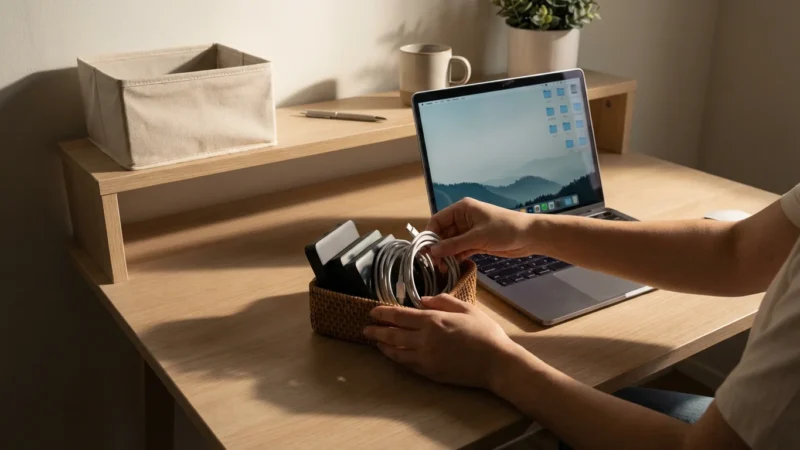
- Manage Cables: Use cable ties, sleeves, or clips to keep wires tidy and out of sight. Tangled cables create visual noise.
- Optimize Storage: Utilize drawers, file cabinets, or wall shelves for organized storage. Label everything clearly for easy retrieval.
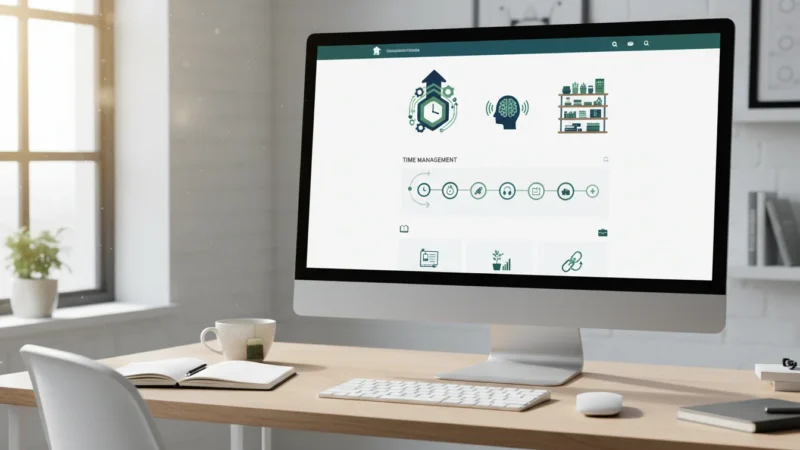
- Digital Decluttering: Regularly clean your desktop, organize files into logical folders, and manage email inboxes. A digital mess mirrors a physical one.
- Personalize Mindfully: Add one or two items that bring you joy or inspiration, but avoid excessive decorations that add visual clutter.
- Consider Your Background: If you do video calls, ensure your background is clean and professional, free from distractions.
By investing time in optimizing your workspace, you invest directly in your ability to maintain focus and accomplish more. This minimalist approach to your professional environment becomes a powerful tool for productivity.
Creating Mindful Zones: Extending Minimalism Beyond the Desk
Minimalism extends beyond your desk, influencing every part of your home. By creating mindful zones, you designate specific areas for specific purposes. This practice supports your daily routines, enhances relaxation, and reinforces your overall commitment to organized living and focus.
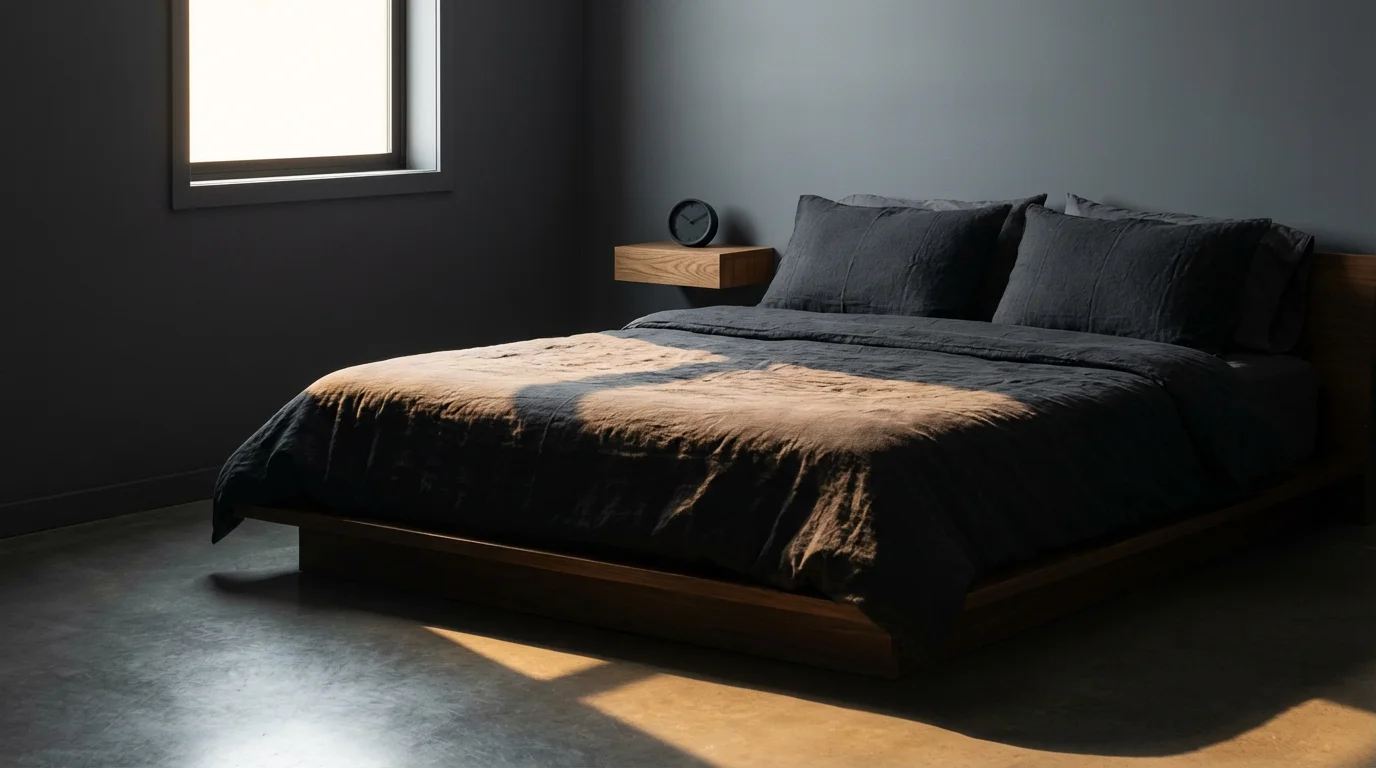
Each zone serves a distinct function, reducing decision fatigue and promoting intentionality. For example, your bedroom becomes a sleep sanctuary, free from work-related items or digital screens. Your kitchen transforms into an efficient space for nourishment, devoid of unnecessary gadgets.
Think about the primary activity for each room or area. Then, curate items that directly support that activity while removing anything that detracts from it. This ensures your entire home works in harmony to support your focused, intentional lifestyle.
- The Sleep Sanctuary (Bedroom):
- Remove screens, work documents, and excessive furniture.
- Focus on comfortable bedding, dim lighting, and a soothing atmosphere.
- Keep nightstands clear, holding only essential items like a book or a glass of water.
- The Nourishment Hub (Kitchen):
- Declutter countertops, storing appliances you use infrequently.
- Organize pantry and refrigerator for easy meal preparation.
- Keep only essential cooking tools and dishes, discarding duplicates or seldom-used items.
- The Relaxation Lounge (Living Room):
- Minimize decorative items and excessive throw pillows.
- Create comfortable seating arrangements conducive to conversation or quiet reflection.
- Store remote controls, magazines, and other common clutter in designated, hidden spots.
- The Digital Detox Zone (Entryway/Charging Station):
- Designate a spot near the entryway to place phones, keys, and wallets when you arrive home.
- This encourages unplugging and prevents devices from scattering throughout the home.
Worked Example: Crafting a Living Room Relaxation Zone (60 minutes)
Your living room currently holds various items: stacks of magazines, old board games, random toys, and decorative knick-knacks. Your goal is to make it a calming space for unwinding.
- Remove Everything Not Essential: Clear coffee tables, side tables, and shelves.
- Sort and Evaluate:
- Magazines: Keep only current issues, discard or recycle old ones.
- Board games: Consolidate into one neat cabinet, donate rarely played ones.
- Toys: Gather all toys, move to a designated play area if children are present, or donate outgrown items.
- Decor: Evaluate each decorative item. Does it genuinely enhance the space or bring joy? Many items may go into the “Donate” or “Relocate” boxes.
- Organize Remaining Items:
- Use a decorative basket for current magazines or blankets.
- Ensure remotes have a designated spot, perhaps a small, lidded box on a side table.
- Keep open surfaces clear, perhaps with one curated item like a plant or a single piece of art.
This transforms your living room into an inviting space, free from the visual noise that often prevents true relaxation and mental decompression.

Sustainable Systems: Maintaining Your Clutter-Free Environment
Achieving a minimalist home is an accomplishment, but maintaining it requires sustainable systems and consistent habits. Without these, clutter inevitably creeps back, undermining your hard work and renewed focus. Organized living is an ongoing practice, not a one-time event.
Maintaining your focus becomes much easier when you implement a 10-minute daily tidy-up habit to keep clutter from accumulating.
The key lies in integrating small, routine actions into your daily life. These micro-habits prevent accumulation and make tidying effortless. They minimize the need for large, intimidating decluttering sessions, preserving your mental energy for more important tasks.
Embrace the “one-in, one-out” rule. When you acquire a new item, commit to letting go of a similar item you already own. This simple principle prevents your possessions from expanding beyond your desired limit, reinforcing your minimalist lifestyle.
- The “One-In, One-Out” Rule: For every new item you bring into your home, such as a new shirt, a new book, or a new kitchen gadget, identify an existing item to donate, sell, or discard.
- The 10-Minute Tidy: Dedicate 10 minutes each evening to a quick tidy-up. Put things back in their designated spots, wipe down surfaces, and prepare for the next day.
- Weekly Reset: Spend 30-60 minutes once a week performing a deeper tidy. This involves a quick vacuum, wiping down high-traffic surfaces, and addressing any areas that accumulated minor clutter.
- Monthly Micro-Declutter: Once a month, choose one small category, for example, mail, toiletries, or pantry items, for a quick re-evaluation. Discard anything expired, unused, or no longer needed.
- Designated Homes: Ensure every item in your home has a specific, easily accessible place. When an item lacks a home, it becomes clutter.
- Digital Maintenance: Extend these habits to your digital life. Schedule time for email management, file organization, and deleting unused apps.
“A place for everything, and everything in its place.” — Benjamin Franklin’s Wisdom
These systems are not restrictive, they are liberating. They create mental space by automating the maintenance of your physical space, allowing you to sustain your minimalist lifestyle and maximum focus with minimal effort.

Overcoming Common Hurdles and Sustaining Momentum
The path to a minimalist, focused home often presents challenges. Sentimental items, the “what if I need it someday” dilemma, and living with others who do not share your vision are common hurdles. Acknowledge these difficulties, but approach them with practical strategies and a compassionate mindset.
Do not strive for perfection immediately. Minimalism is a journey of continuous refinement and learning. You will encounter moments of doubt or feel overwhelmed. When this happens, revisit your initial vision and remind yourself of the benefits you seek: enhanced focus, reduced stress, and a more intentional life.
Emphasize progress, not perfection. Celebrate small victories and forgive minor setbacks. The goal is a living space that supports your well-being and productivity, not a museum. Adapt these strategies to fit your unique circumstances and lifestyle.
- Sentimental Items:
- Designate a small, specific container, for example, a memory box, for truly cherished mementos.
- Take photos of items you struggle to let go of, then release the physical object.
- Remember that memories reside in your heart, not solely in objects.
- The “What If I Need It Someday” Trap:
- Consider the actual cost of replacing the item versus the cost of keeping it, including storage and mental clutter.
- For genuinely essential but rarely used items, consider borrowing, renting, or a shared resource.
- Set a realistic timeline: if you have not used it in 1-2 years, chances are you will not.
- Living with Others:
- Focus on your personal spaces first, such as your bedroom or private office.
- Lead by example, demonstrating the benefits of a clutter-free environment.
- Communicate your needs and find compromises for shared spaces. Offer to manage the decluttering process for common areas.
- Motivation Dips:
- Revisit your vision board or written goals for your minimalist home.
- Watch inspiring videos or read articles about the benefits of minimalism.
- Start with a tiny, easy win to regain momentum, for example, clear one shelf.
Experimentation and iteration are crucial. What works for one person may not work for another. Find your rhythm, develop your personal organized living systems, and enjoy the transformative power of a truly focused sanctuary.

The Digital Minimalist: A Complementary Approach
In our modern lives, digital clutter can be as distracting as physical clutter. Unorganized files, overflowing inboxes, and an excess of unused apps contribute to cognitive overload, mimicking the effects of a messy physical space. Embracing digital minimalism complements your efforts to create a truly focused sanctuary.
Once your physical space is optimized, apply the KonMari method for your digital life to ensure your technology supports rather than hinders your focus.
Just as you declutter your home, you must declutter your digital life. This involves intentional management of your digital tools and information. A clean digital environment reduces notifications, improves searchability, and frees up mental space for creative thinking and deep work.
Start with small, consistent actions. A few minutes each day or week dedicated to digital organization yields significant benefits. This integrated approach ensures your entire environment, both physical and virtual, supports maximum focus and productivity.
- Email Inbox Zero: Process emails daily, archiving, deleting, or acting upon them promptly. Unsubscribe from newsletters you no longer read.
- Desktop Declutter: Keep your computer desktop clear of files and shortcuts. Store documents in a structured, hierarchical folder system.
- App Audit: Delete unused apps from your phone and computer. Turn off unnecessary notifications that pull your attention.
- Cloud Organization: Organize your cloud storage, such as Google Drive or Dropbox, with the same folder structure you use locally. Delete old, redundant files.
- Digital Document Management: Scan important physical documents and save them digitally, then shred the paper copies.
- Social Media Usage: Set time limits for social media or use it intentionally. Curate your feeds to follow only accounts that truly add value or inspiration.
By applying minimalist principles to your digital world, you create a cohesive environment that reduces distractions from all angles. This integrated approach to organized living amplifies your capacity for focus and intentional living.
Frequently Asked Questions
How long does it take to create a minimalist home?
The timeline varies greatly depending on your starting point and the size of your home. It is not a quick fix, but an ongoing process. You can see significant progress in specific areas within a few hours or days, but transforming an entire home into a truly minimalist sanctuary might take several months of consistent effort. Focus on sustainable habits rather than speed.
What if I live with others who are not minimalist?
This is a common challenge. Start by focusing on your personal spaces, like your bedroom or private office. For shared areas, lead by example and communicate your desire for a more organized, clutter-free environment. Offer to take the lead in decluttering common spaces, and try to find compromises that respect everyone’s needs. Small, shared wins can often inspire others.
Is minimalism only about aesthetics?
Absolutely not. While a minimalist home often looks clean and aesthetically pleasing, its core purpose is functional. It is about removing distractions, reducing cognitive load, and creating an environment that supports your priorities, productivity, and well-being. The aesthetic is a byproduct of thoughtful, purposeful organization and decluttering for a focused life.
How do I handle sentimental items?
Sentimental items are often the hardest to part with. Designate a small, specific “memory box” to hold your most cherished mementos. For other sentimental items, consider taking high-quality photographs, then letting go of the physical object. Remember, the memories and emotions reside within you, not solely in the object itself. Focus on preserving the feeling, not accumulating the items.
Can I be minimalist with a family and kids?
Yes, but it requires adaptation. Minimalism with a family focuses on intentional purchasing, creating designated homes for all items, especially toys, and regularly decluttering as children grow. Involve children in the process by teaching them about responsibility for their belongings. It is about having “enough” and what is functional for your family, not about having nothing.
What if I start, but then lose motivation?
It is normal to experience dips in motivation. When this happens, revisit your initial vision and remind yourself of the benefits you are seeking. Start with a very small, easy task to regain momentum, like clearing one countertop or a single drawer. Break down larger goals into tiny, actionable steps, and celebrate every small success to keep yourself going.
Disclaimer: This article provides information for educational and informational purposes only. It is not intended to be a substitute for professional advice. Always seek the advice of qualified professionals for any specific concerns or questions you may have.
To keep your surfaces clear while maintaining accessibility, implement smart storage solutions tailored to each room’s specific function.



Leave a Reply