Your energy is your most valuable asset for peak productivity, yet many professionals treat it as an endless resource. This approach often leads to burnout and diminishing returns. Instead, view your energy as a finite currency, much like money in a bank account. By strategically depositing, withdrawing, and managing this energy, you can significantly enhance your focus, output, and overall well-being.
Mastering energy banking requires you to recognize the difference between productivity and being busy so you don’t waste valuable energy on low-impact activities.
To maintain high output without burning out, you must learn to work smarter not harder by aligning your daily effort with your internal capacity.
The concept of “Energy Banking” involves understanding your personal energy cycles and making deliberate choices to optimize them. It moves beyond simple time management, focusing on when you perform tasks based on your fluctuating energy levels. This article provides practical, actionable insights to help you implement an energy banking system and maximize your productivity with energy management.

Understanding Your Energy Currency
Effective energy management begins with recognizing that your energy is not a constant, static force. It fluctuates throughout the day, influenced by various physiological and psychological factors. You experience different types of energy, each crucial for distinct tasks and activities.
If you are unsure of your patterns, performing a detailed time audit can provide the data needed to map your daily energy fluctuations accurately.
Types of Energy
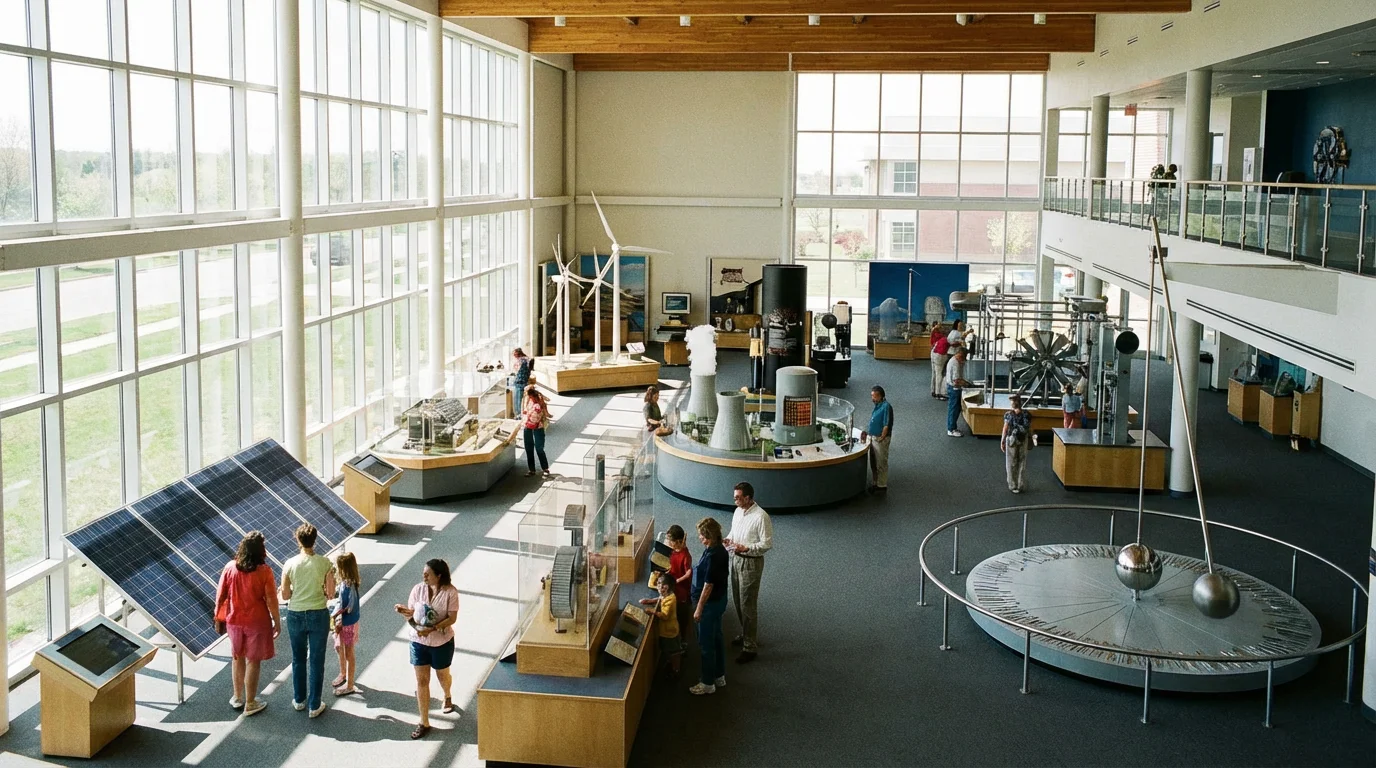
You manage four primary types of energy: physical, mental, emotional, and spiritual. Each contributes uniquely to your overall productivity and requires distinct approaches for replenishment and utilization.
- Physical Energy: This refers to your body’s vitality and stamina. Adequate sleep, proper nutrition, and regular exercise directly influence your physical energy levels. When your physical energy is low, you feel sluggish and less capable of sustained effort.
- Mental Energy: Your capacity for focus, concentration, and cognitive processing defines mental energy. Tasks requiring deep thinking, problem-solving, or creative work deplete this type of energy rapidly. Managing mental energy involves strategic breaks and focused work blocks.
- Emotional Energy: This relates to your mood, attitude, and ability to manage emotions. Positive emotions like enthusiasm and joy boost your energy, while negative emotions such as stress, frustration, or anxiety drain it significantly. Nurturing positive relationships and practicing emotional regulation are key.
- Spiritual Energy: Often overlooked, spiritual energy connects to your sense of purpose, values, and meaning. When your work aligns with your core values, you feel more engaged and energized. A lack of spiritual energy manifests as apathy or a feeling of being unfulfilled.

Rhythms and Cycles
Your body operates on natural biological rhythms that dictate when your energy levels peak and trough. Understanding these cycles provides a scientific basis for your energy banking strategy.
- Circadian Rhythms: These are your body’s 24-hour internal clocks, regulating cycles of wakefulness and sleep. Most people experience a natural energy peak in the late morning, a dip in the early afternoon, and another smaller peak in the late afternoon. Syncing your most demanding tasks with your circadian peaks boosts your efficiency.
- Ultradian Rhythms: These shorter cycles occur within your circadian rhythm, typically lasting 90-120 minutes. During an ultradian cycle, your body moves from a high-focus, high-energy state to a lower-energy state requiring a brief break for recovery. Ignoring these natural breaks leads to diminishing returns and increased fatigue.
“The key to sustainable high performance lies not in working longer, but in respecting your body’s natural rhythms and taking deliberate recovery breaks.”

The Pillars of Energy Banking
To effectively manage your energy, establish a system built on three core pillars. These principles guide your decisions regarding task allocation, rest, and personal well-being.
Once you identify your peak hours, you can use a structured time-blocking strategy to ensure your most important work is scheduled when your energy is highest.

Identify Your Peak Performance Times
Everyone has unique energy patterns. Some individuals are “larks,” performing best in the morning, while others are “owls,” thriving later in the day. Understanding when your mental and physical energy naturally peaks is fundamental. Track your energy levels over a week or two, noting when you feel most alert, focused, and capable of complex tasks.
For example, if you consistently feel a surge of mental clarity between 9:00 AM and 12:00 PM, this represents your prime time for deep work. Conversely, if your afternoons often bring a slump, you reserve that period for lighter, administrative tasks.
Recognize Energy Drains
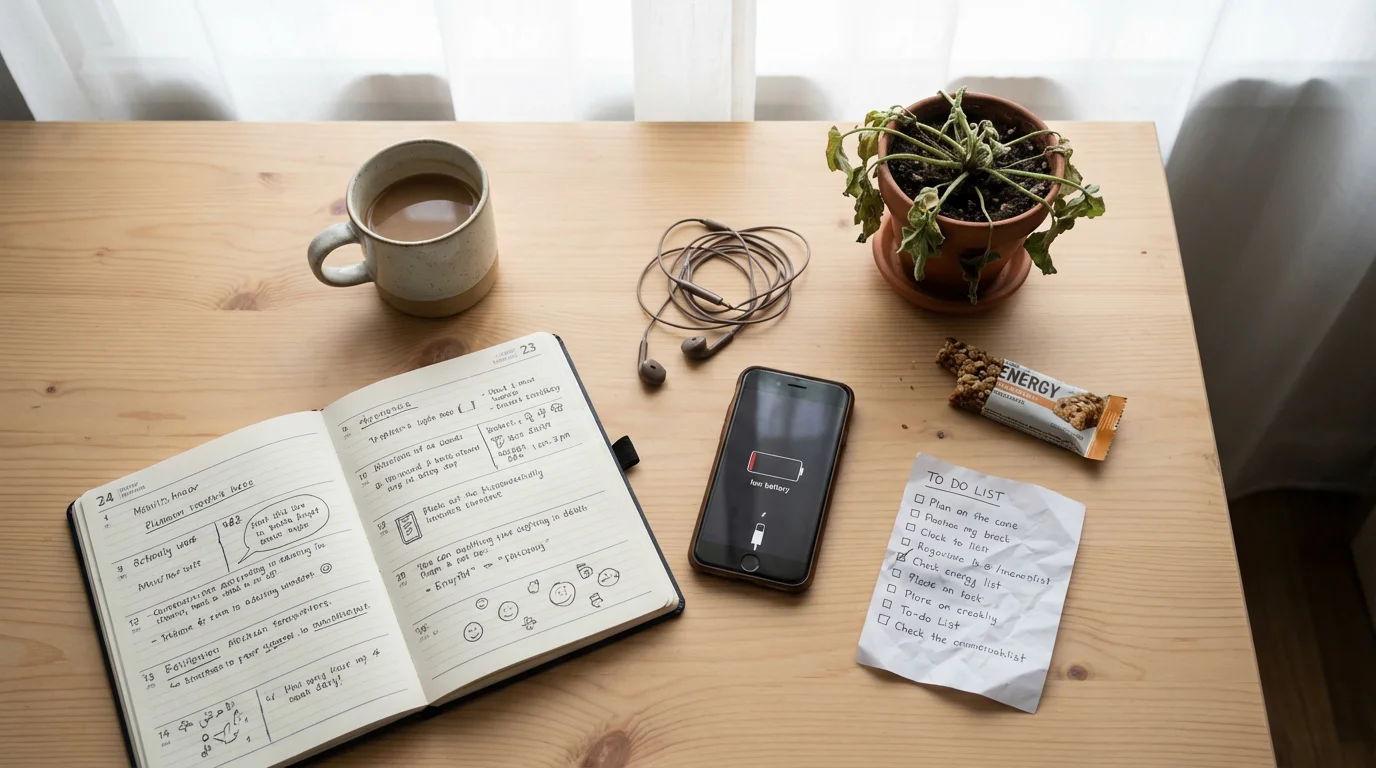
Just as you have peak periods, you also encounter specific activities, environments, or interactions that deplete your energy. Identifying these “energy drains” allows you to mitigate their impact or avoid them altogether.
Common energy drains include prolonged meetings, excessive context switching, dealing with difficult colleagues, or working in a cluttered, noisy environment. Once you pinpoint these drains, you can develop strategies to minimize their frequency or duration, thereby preserving your valuable energy reserves.

Proactive Recharging
Energy banking emphasizes proactive replenishment, not just reactive recovery. You do not wait until you feel completely exhausted to rest or recharge. Instead, you build regular, intentional energy deposits into your day and week. These deposits can be short breaks, a nutritious meal, a quick walk, or even moments of mindfulness.
This approach prevents deep energy deficits, ensuring you maintain a consistent, sustainable level of productivity. It recognizes that consistent small deposits are more effective than infrequent, large withdrawals followed by desperate attempts to recover.

Deposit Strategies: Proactive Energy Replenishment
Building your energy reserves requires consistent, intentional effort. These strategies act as your regular deposits, ensuring you have enough energy currency for demanding tasks.

Prioritize Sleep
Sleep is the bedrock of all energy. It directly influences your cognitive function, emotional regulation, and physical stamina. Research consistently shows that adults require 7-9 hours of quality sleep per night for optimal functioning.
To improve your sleep, establish a consistent bedtime and wake-up time, even on weekends. Create a relaxing pre-sleep routine, avoiding screens and stimulating activities for at least an hour before bed. Ensure your bedroom is dark, quiet, and cool.

Fuel Your Body and Mind with Nutrition
What you eat directly impacts your energy levels. Consuming balanced meals and snacks provides sustained energy, preventing the sharp peaks and crashes associated with sugary or highly processed foods. Focus on whole foods, including complex carbohydrates, lean proteins, and healthy fats.
For example, a breakfast of oatmeal with berries and nuts offers steady energy release, unlike a sugary pastry that leads to a mid-morning slump. Stay hydrated throughout the day, as even mild dehydration can cause fatigue and reduce concentration.

Integrate Movement and Exercise
Physical activity, even in short bursts, significantly boosts your energy. Regular exercise improves circulation, releases endorphins, and enhances mental alertness. You do not need intense workouts to reap the benefits; short, frequent movement breaks suffice.
Consider taking a 10-minute walk every two hours during your workday. This simple act can break up long periods of sitting, refresh your mind, and provide a quick energy boost. Stand up and stretch during phone calls, or walk to a colleague’s desk instead of sending an email.

Practice Mindfulness and Short Breaks
Mental and emotional energy depletes without regular pauses for recovery. Incorporate short mindfulness practices or deliberate breaks into your daily routine. These moments allow your brain to reset and your emotional state to stabilize.
Try a 5-minute meditation session or deep breathing exercise to clear your mind between tasks. Step away from your desk, look out a window, or listen to calming music for a few minutes. These micro-breaks prevent decision fatigue and restore your focus.

Withdrawal Management: Smart Task Allocation
Just as you manage your financial withdrawals carefully, you must manage your energy withdrawals by strategically assigning tasks. This means aligning the demands of your work with your fluctuating energy levels.
To minimize the cost of these withdrawals, you can use batching to group similar tasks together, reducing the mental energy lost during context switching.

Align Tasks with Energy Peaks
The most effective energy banking strategy involves performing your most challenging, mentally demanding tasks during your natural high-energy periods. These are your “deep work” blocks, where you can achieve significant progress on complex projects.
For example, if you know your mental energy peaks between 9:00 AM and 12:00 PM, schedule tasks like writing complex reports, strategic planning, or coding during this window. Protect these periods fiercely, minimizing interruptions and distractions.

Delegate or Schedule Shallow Work for Low-Energy Periods
Conversely, reserve your low-energy times for tasks that require less intense cognitive effort. These “shallow work” activities include responding to emails, administrative tasks, data entry, routine meetings, or organizing your workspace.
If you experience an afternoon slump around 2:00 PM, use this time to clear your inbox, make phone calls that require less concentration, or review documents. This approach ensures you remain productive even when your energy reserves are lower, preventing complete energy depletion.
Worked Example: A Day of Energy Banking
Imagine your energy profile shows a strong mental peak in the morning, a dip after lunch, and a slight rebound in the late afternoon. Here is how you might structure your day:
- 8:00 AM – 8:30 AM: Light Warm-up. Review daily priorities, plan your high-impact tasks. (Low mental drain)
- 8:30 AM – 12:00 PM: Deep Work Block. Focus on writing the critical project proposal, uninterrupted. (High mental drain)
- 12:00 PM – 1:00 PM: Energy Deposit. Lunch, a short walk outside. (Physical, mental, emotional replenishment)
- 1:00 PM – 2:30 PM: Collaborative/Administrative Work. Team meeting, respond to routine emails. (Moderate mental drain)
- 2:30 PM – 2:45 PM: Energy Deposit. Short stretch break, deep breathing. (Mental replenishment)
- 2:45 PM – 4:30 PM: Focused but Lighter Work. Data analysis, research, or drafting less critical communications. (Moderate mental drain)
- 4:30 PM – 5:00 PM: Wrap-up. Plan tomorrow’s tasks, tidy workspace. (Low mental drain)

Preventing Overdrafts: Mitigating Energy Drains
Just as financial overdrafts incur penalties, energy overdrafts lead to burnout, decreased performance, and stress. Actively identify and reduce the activities that consistently drain your energy.

Avoid Multitasking and Context Switching
True multitasking, performing two or more high-attention tasks simultaneously, is a myth. What you actually do is context switch rapidly between tasks. Each switch incurs a “switching cost,” demanding mental energy to reorient your focus. This constant shifting significantly depletes your mental energy reserves without much to show for it.
Instead, embrace single-tasking. Dedicate uninterrupted blocks of time to one task before moving to the next. Close unnecessary tabs, silence notifications, and create a distraction-free environment to maintain focus.

Minimize Decision Fatigue
Every decision you make, from choosing your outfit to prioritizing project tasks, consumes mental energy. Over the course of a day, the cumulative effect of these small decisions leads to decision fatigue, making it harder to make good choices and exert self-control.
Streamline routine decisions. Automate choices where possible, such as wearing a “uniform” or preparing meals in advance. Establish clear criteria for prioritizing tasks, reducing the mental load of constant re-evaluation. For example, if you always handle urgent client requests first, you remove the decision of where they fit in your day.
According to research, simplifying your choices frees up mental energy for more critical, complex decisions. Think about successful people who wear the same outfit every day, conserving mental energy for their work.

Learn to Say No
One of the most powerful tools in energy management is the ability to respectfully decline requests that do not align with your priorities or current energy capacity. Saying “yes” to everything often means saying “no” to your own essential tasks and well-being.
Before committing to a new request, evaluate its impact on your schedule, energy, and goals. Offer alternatives if appropriate, such as suggesting a different timeline or recommending another person. Protecting your boundaries preserves your energy for what truly matters.

Setting Up Your Energy Banking System
Implementing an energy banking system requires a structured approach. Follow these actionable steps to integrate energy management into your daily routine and observe the benefits to your productivity.
Before you begin, you may find it helpful to perform a time audit to establish a baseline of your current habits.
- Track Your Energy Levels: For one to two weeks, keep an “energy journal.” Note your perceived energy levels (e.g., on a scale of 1-10) every few hours. Record what you were doing, eating, and how you slept. This provides objective data on your personal energy patterns.
- Identify Your Prime Time: Based on your tracking, pinpoint your natural energy peaks and troughs. For most, mornings are prime for deep work, afternoons for lighter tasks, but verify this for yourself.
- Schedule Energy Deposits: Block out time for proactive replenishment. This includes dedicated sleep hours, meal breaks, and short movement breaks (e.g., 15 minutes every 90-120 minutes). Treat these as non-negotiable appointments.
- Allocate Tasks Strategically: Create your daily to-do list, then assign tasks to specific time slots based on your energy profile. Place high-cognitive-load tasks during your energy peaks and less demanding tasks during troughs.
- Optimize Your Environment: Design your workspace to support your energy. Ensure good lighting, minimize clutter, and control noise. A clean, organized, and comfortable environment reduces mental friction and preserves energy.
- Build in Buffer Time: Acknowledge that life happens. Integrate buffer periods into your schedule for unexpected interruptions or tasks that take longer than anticipated. This prevents small delays from derailing your entire energy plan and causing stress.
- Review and Adjust: Regularly review how your energy banking system performs. At the end of each week, reflect on what worked well and what did not. Adjust your schedule, task allocation, or recharge strategies based on your experience. This iterative process ensures the system remains effective for you.

Common Pitfalls and How to Avoid Them
Implementing energy banking involves overcoming common challenges. Recognizing these pitfalls helps you proactively address them, ensuring your strategy remains effective and sustainable.

Ignoring Warning Signs of Fatigue
A frequent mistake involves pushing through clear signs of mental or physical exhaustion. You might tell yourself you just need to finish this one task, only to find your quality of work declines significantly, or the task takes far longer than it should have.
Solution: Tune into your body’s signals. If you find yourself staring blankly at your screen, re-reading sentences, or making careless errors, it is a definitive sign to take a break. Step away, engage in a quick energy deposit strategy, and return refreshed.
Trying to Power Through Without Breaks
The belief that more continuous work equals more productivity is a pervasive myth. Working for extended periods without breaks actually diminishes your focus, increases stress, and reduces overall output quality.
Solution: Embrace the ultradian rhythm principle. Schedule mandatory 15-20 minute breaks after every 90-120 minutes of focused work. Use these breaks for true disengagement, rather than just switching to another work-related task. This approach revitalizes your mental faculties.

Inconsistent Habits and Lack of Routine
Sporadic attempts at energy management yield inconsistent results. Without a routine, it becomes easy to fall back into old habits of reacting to demands rather than proactively managing your energy.
Solution: Build your energy banking practices into a consistent daily and weekly routine. Automate as many decisions as possible regarding sleep, meals, and break times. Use calendar reminders or habit tracking apps to reinforce these behaviors until they become second nature.

Perfectionism Leading to Overwhelm
The desire for a perfectly optimized energy schedule can itself become an energy drain. Obsessing over minute details or feeling discouraged by minor deviations from your plan can lead to burnout from the system itself.
Solution: Aim for progress, not perfection. Start with one or two key energy banking strategies, such as consistent sleep or scheduled deep work blocks. Allow for flexibility and understand that some days will not go exactly as planned. The goal is sustainable improvement, not flawless execution.

Frequently Asked Questions
What is Energy Banking?
Energy banking is a productivity strategy that treats your personal energy as a finite resource, similar to money in a bank account. It involves strategically depositing energy through rest and recovery, and wisely withdrawing it by aligning demanding tasks with your peak energy periods to maximize productivity and prevent burnout.
How does Energy Banking differ from Time Management?
Time management focuses on scheduling tasks within a given timeframe. Energy banking goes a step further by considering your fluctuating energy levels. It asks not just “when can I do this task?” but “when do I have the right type of energy to do this task most effectively?” This ensures you match task demands with your cognitive and physical capacity.
Can I really change my energy levels?
Yes, you can significantly influence your energy levels. While genetics and circadian rhythms play a role, lifestyle factors like sleep quality, nutrition, exercise, stress management, and even your thoughts have a profound impact. By making deliberate choices in these areas, you can increase your overall energy reserves and optimize their use.
What if my work schedule does not allow for long breaks?
Even small adjustments make a difference. If long breaks are not feasible, focus on “micro-deposits” of energy. Take a 5-minute stretch break, stand up during a phone call, practice a minute of deep breathing, or simply look away from your screen for 60 seconds. These small, frequent breaks prevent severe energy drains and restore focus.
How long does it take to see results from Energy Banking?
You can begin to notice improvements in your focus and overall energy within a few days of implementing consistent energy banking practices, especially regarding sleep and strategic breaks. Significant, lasting changes in productivity and well-being typically become evident over several weeks as these practices become established habits.
Is Energy Banking only for office workers?
No, the principles of energy banking apply to anyone looking to optimize their personal energy, regardless of their profession or work environment. Whether you are a remote worker, a student, a freelancer, or working in a traditional office, understanding and managing your energy leads to improved performance and reduced stress.
This article offers information for general educational purposes only. It does not provide medical, psychological, or legal advice. Always consult with qualified professionals for specific guidance tailored to your individual situation when appropriate.
This strategy is often paired with the Eat the Frog method to ensure your most important task gets your best energy.






Leave a Reply