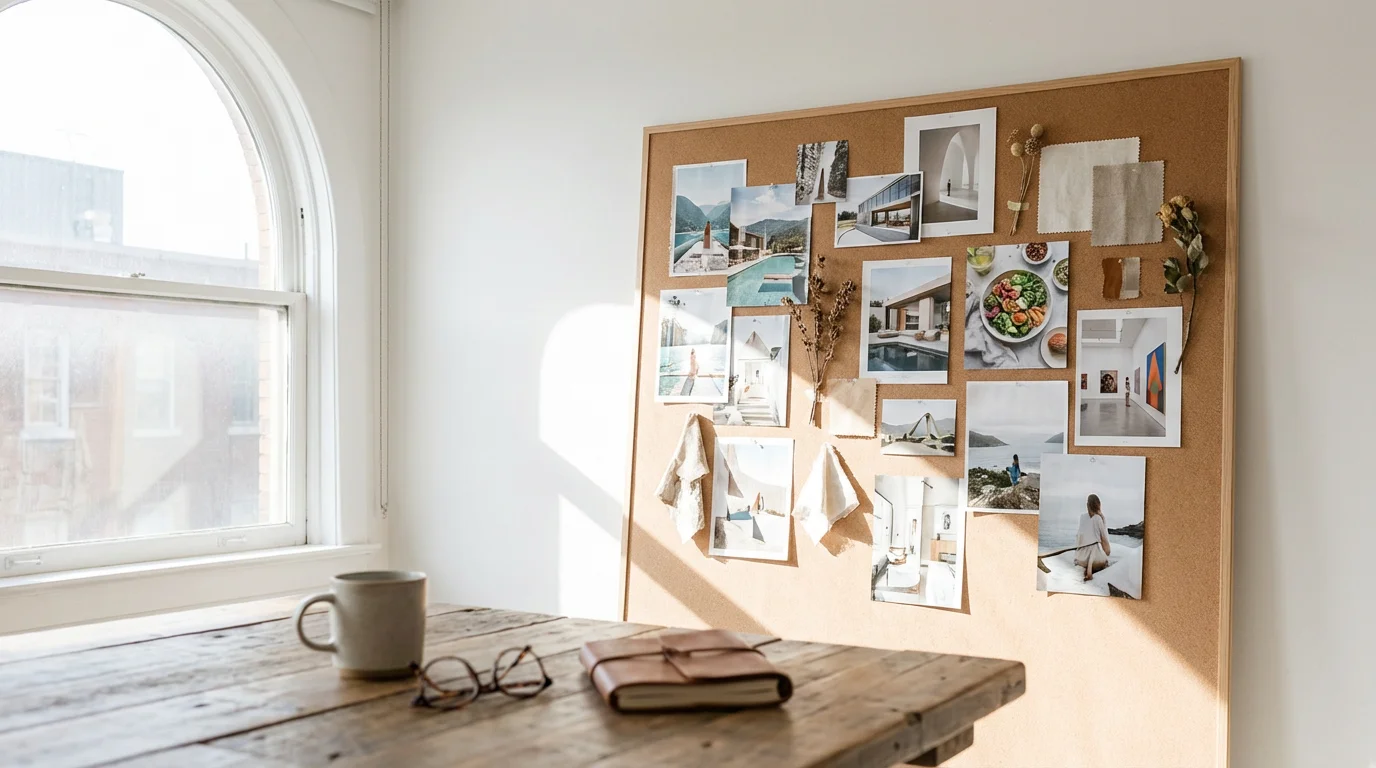
Setting a goal provides direction. Making that goal tangible and ever-present profoundly amplifies your commitment and focus. The visual goal board, often known as a vision board, transforms your aspirations into a compelling, daily visual anchor. It moves your desired future from abstract thought to concrete representation, empowering you to manifest your ambitions.
This powerful tool leverages your brain’s natural affinity for imagery, helping you clarify what you truly want and consistently directing your attention toward those outcomes. You are not just decorating a board. You are strategically programming your subconscious mind for success. Let us explore the science behind this effective technique and guide you through creating a visual goal board that truly works for you.
The Power of Visuals: Why Your Brain Responds to Images
Your brain processes images significantly faster than text. Visual stimuli engage more of your brain, triggering emotional responses and enhancing memory retention. When you see an image representing a goal, your brain begins to associate that image with the emotions and sensations of achieving that goal.
Embracing this visual process is a key step in developing a goal-getter mindset that keeps you consistently aligned with your ambitions.
Understanding the power of visualization allows you to unlock your mind’s ability to turn abstract aspirations into tangible results.
This process taps into neuroplasticity, your brain’s ability to reorganize itself by forming new neural connections. Regularly viewing your visual goal board reinforces these connections, making your goals feel more real and attainable. It primes your brain to recognize opportunities and resources that align with your aspirations, a phenomenon often described as the Reticular Activating System (RAS) at work.
Consider the benefits of this visual approach:
- Enhanced Clarity: Translating abstract desires into concrete images forces you to define what you truly want with precision.
- Sustained Motivation: A visual reminder of your aspirations provides a constant source of inspiration, especially during challenging periods.
- Improved Focus: Your goal board acts as a filter, helping you prioritize actions that move you closer to your vision and filter out distractions.
- Emotional Connection: Images evoke feelings. Connecting emotionally to your goals makes them more compelling and drives consistent effort.
- Subconscious Programming: Regular exposure to your desired outcomes helps your subconscious mind work towards them, even when you are not actively thinking about them.
These psychological advantages make creating a visual goal board a highly effective strategy for anyone committed to personal and professional growth.
Defining Your Desired Future: Clarity Before Construction
Before you begin assembling anything, clearly define what you want to achieve. A powerful visual board stems from a clear and specific vision. Avoid vague concepts. Instead, pinpoint the precise outcomes you desire across various life domains.
Sifting through the daily noise to pinpoint these aspirations is also an excellent exercise in cultivating mental clarity before you start designing.
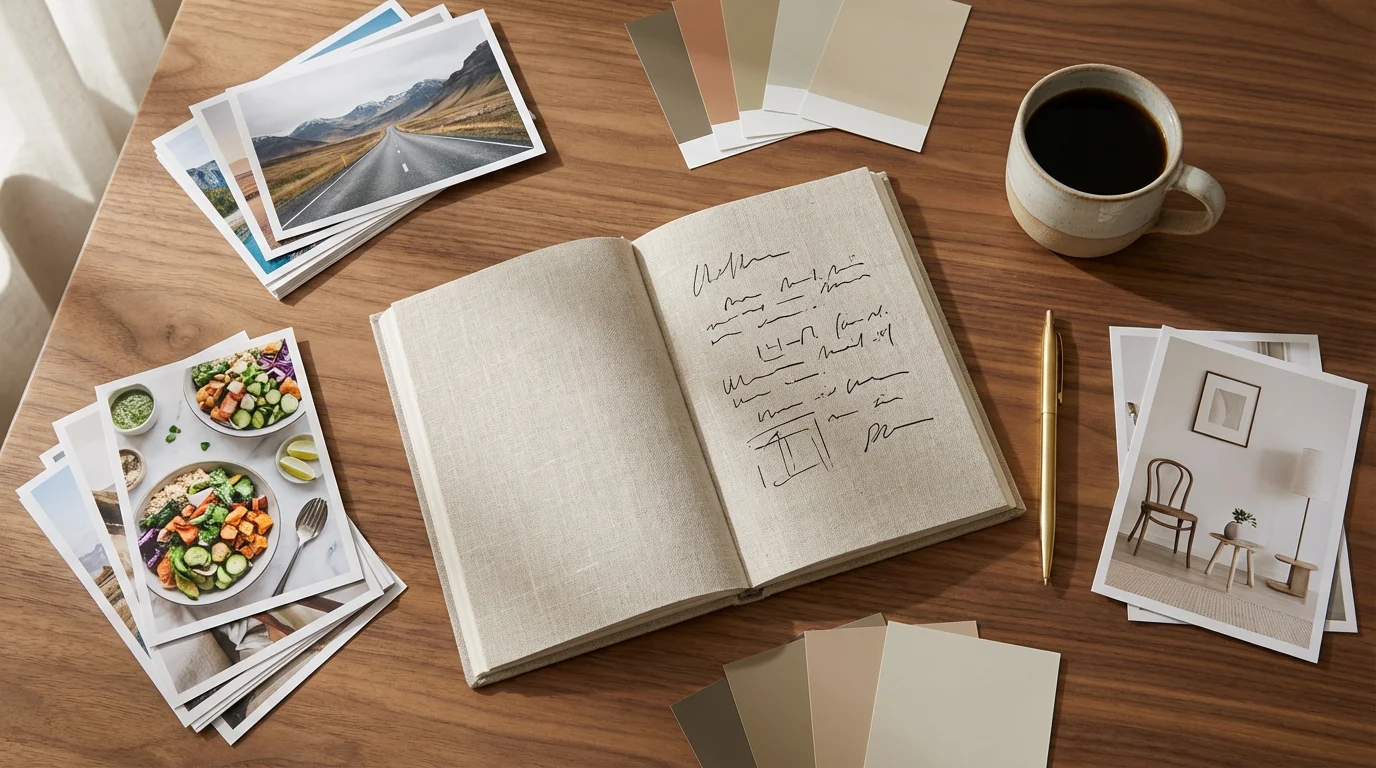
If you struggle to identify your target outcomes, starting a simple journaling habit can help you clarify your thoughts and define what you truly want.
Dedicate time to a focused brainstorming session. Consider categories such as career, financial, relationships, health, personal growth, travel, and lifestyle. Ask yourself probing questions to uncover your deepest aspirations. Aim for measurable and inspiring goals, using specific details to guide your imagery selection.
Use these prompts to guide your visioning process, spending 30-60 minutes on reflection:
- What does your ideal work day look like? What tasks are you completing?
- How much money do you earn, and what does that financial freedom allow you to do?
- What kind of relationships do you foster? Who surrounds you?
- What is your ideal state of health and well-being? How do you feel physically and mentally?
- What skills do you want to master? What experiences do you seek?
- Where do you live? What kind of environment brings you joy and peace?
“Clarity about what matters provides clarity about what does not.” — Deep Work Principle
This initial phase of self-reflection is paramount. It ensures your visual goal board reflects your authentic desires, not merely transient whims or external expectations. Your images will then resonate deeply with your core values and motivations.

Gathering Your Visual Elements: The Tools of Manifestation
With your vision clearly defined, you now collect the images, words, and objects that represent your goals. This creative phase should feel exciting and inspiring. The elements you choose will visually articulate your future. Think about what truly resonates with your aspirations.
Gathering these materials helps construct physical reminders that function as visual cues to trigger daily, productive actions.
You have several options for sourcing your visual components. Consider what type of board suits your style and access to materials. Allow yourself about 1-2 hours for this gathering phase, taking your time to find truly impactful visuals.
Recommended materials include:
- Physical Board: A cork board, foam board, or large poster board provides a sturdy foundation. Its size determines the scope of your visual landscape.
- Magazines and Newspapers: These offer a rich source of diverse imagery. Look for photos, headlines, and advertisements that symbolize your goals.
- Printed Images: Use a printer to capture specific images from online sources. This allows for highly customized and precise representations of your desires.
- Personal Photos: Include pictures of yourself achieving goals, loved ones, or places you want to visit. Personal photos add an authentic and emotional layer.
- Words and Affirmations: Cut out inspiring quotes, powerful affirmations, or single words that encapsulate your aspirations. Write your own if you prefer.
- Small Objects: A specific coin, a miniature replica of something you desire, or a symbolic trinket can add a tactile dimension to your board.
- Adhesives: Glue sticks, pushpins, or tape secure your elements to the board.
- Scissors: For cutting out images and text cleanly.
When selecting images, prioritize those that evoke strong positive emotions. Choose images that make you feel excited, happy, and empowered. Ensure each element directly relates to a specific goal you defined in the previous step.
Assembling Your Goal Board: A Step-by-Step Guide
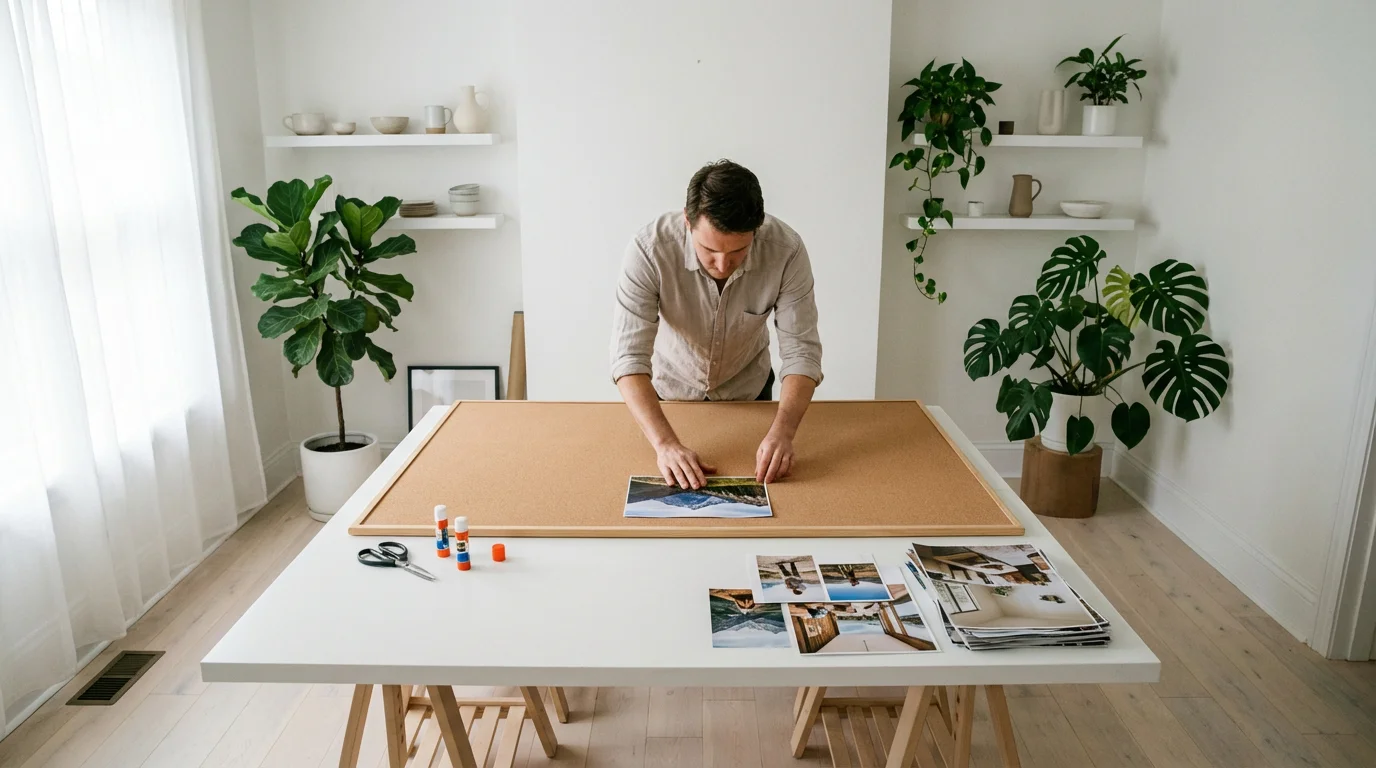
Now, bring your vision to life by physically constructing your goal board. This is a meditative and intentional process. Approach it with focus and excitement. The act of making a goal board itself reinforces your commitment.
By laying out these physical milestones, you are practically reverse engineering your success step by step.
Remember, assembling the board is just the beginning; finding ways to stay consistent with your goals is what will eventually drive your long-term success.
- Clear Your Space: Set up a clean, organized workspace. This helps you focus and prevents distractions. You might play inspiring music or create a calming atmosphere.
- Sort Your Elements: Lay out all your collected images, words, and objects. Group them by category or theme. This helps you visualize the flow and balance of your board before you commit to placement.
- Start with a Centerpiece (Optional): Many people place a central image representing their overarching purpose or most significant goal. This provides a focal point. You can also opt for a more fluid, collage-style arrangement.
- Arrange and Rearrange: Before gluing or pinning, experiment with different layouts. Place elements where they feel most impactful and aesthetically pleasing. Ensure enough space for all key goals without overcrowding.
- Secure Your Elements: Once satisfied with the arrangement, securely attach each piece to your board. Use glue for paper items, pushpins for heavier elements, or a combination. Ensure everything is firmly affixed.
- Review and Refine: Step back and observe your completed board. Does it accurately reflect your desired future? Does it evoke strong, positive emotions? Make any final adjustments, adding or removing elements as needed.
This process typically takes 60-90 minutes, depending on the complexity and size of your board. Remember, this is your personal tool. Design it in a way that truly inspires and motivates you every time you see it.
For example, imagine you are a software engineer making a goal board for a career transition into AI development. Your board might feature images of cutting-edge AI labs, a certificate from an online AI course, a photo of you giving a presentation to a diverse team, and the words “Innovative Solutions” and “Lifelong Learner.” It visually encapsulates your entire professional aspiration.
Activating Your Board: Integrating It into Your Daily Life
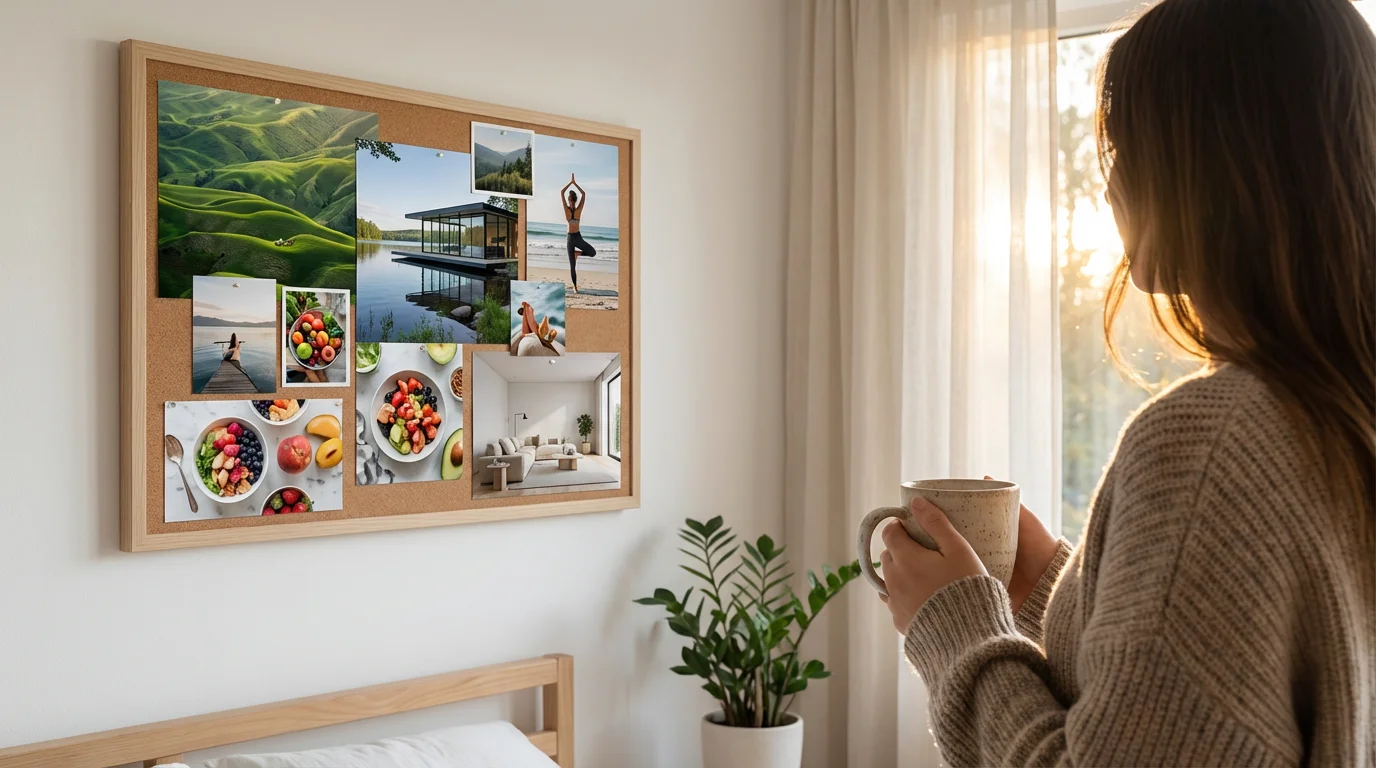
Creating your visual goal board is only the first step. Its power comes from consistent interaction. Your board acts as a daily anchor, reinforcing your goals and keeping them top of mind. Make intentional engagement with your board a regular habit.
To maintain your momentum as you review your board, you might also consider learning how to use a habit tracker to systematically monitor your progress.
Place your goal board in a prominent location where you will see it multiple times a day. This could be above your desk, on your bedroom wall, or in a frequently visited common area. The key is visibility without being intrusive.
Implement simple practices to activate its influence:
- Daily Review (5 minutes): Spend a few minutes each morning or evening gazing at your board. Visualize yourself achieving each goal. Feel the emotions associated with that success.
- Affirmations: Speak positive affirmations related to your goals aloud while looking at the corresponding images. For instance, “I am a successful entrepreneur,” while looking at an image of a thriving business.
- Action Alignment: Before starting your workday or planning your week, glance at your board. Ask yourself, “What action can I take today that moves me closer to one of these goals?”
- Celebrate Milestones: As you achieve smaller goals represented on your board, acknowledge them. You might place a checkmark or a small sticker next to the accomplished goal, reinforcing progress and motivation.
- Update and Evolve: Your goals will evolve as you grow. Periodically (e.g., quarterly or annually), review your board. Update images, remove achieved goals, and add new aspirations. This keeps your board fresh and relevant.
Consistent engagement with your board strengthens the neural pathways associated with your goals. It keeps your subconscious mind focused on opportunities and solutions, propelling you forward even when challenges arise.
Beyond the Physical Board: Adapting for Digital or Dynamic Goals
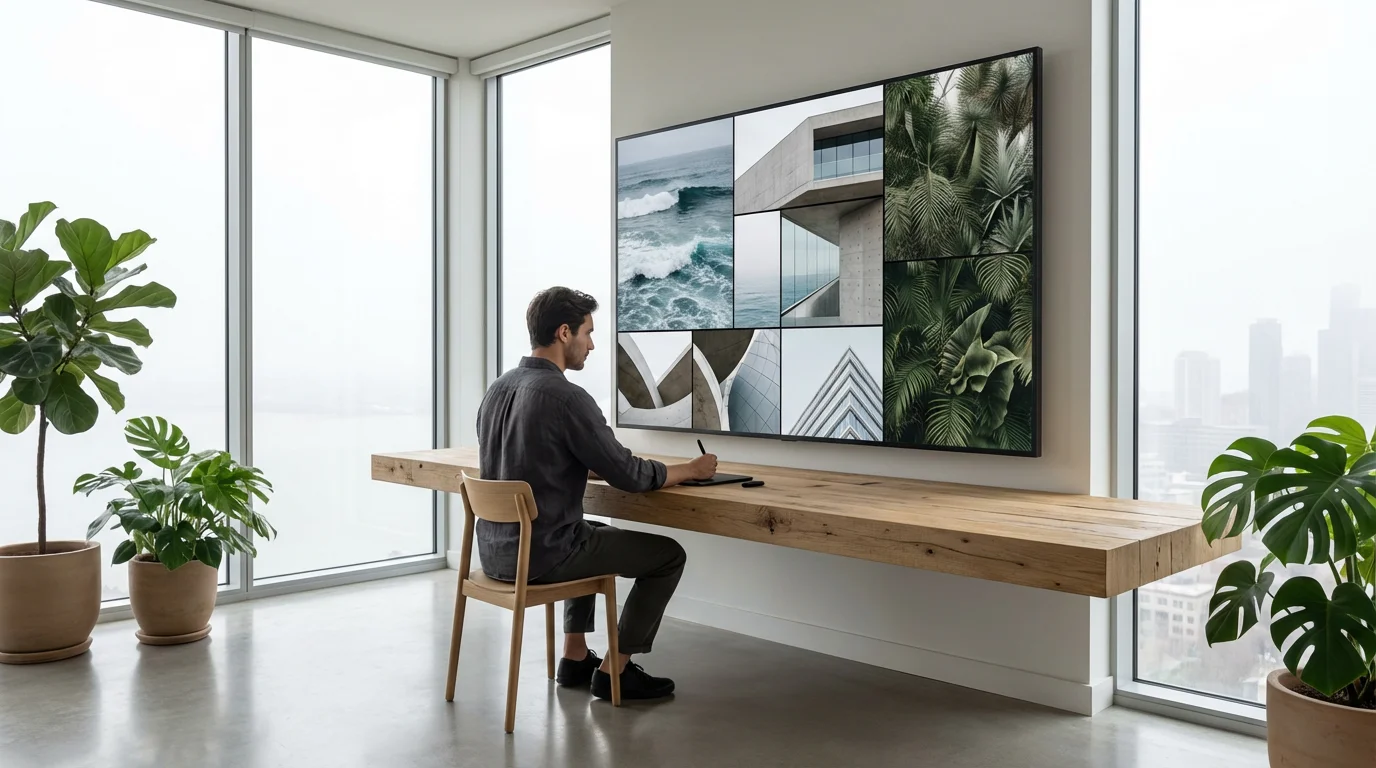
While a physical board offers tactile engagement, digital alternatives provide flexibility, especially for remote workers, frequent travelers, or those who prefer digital tools. The core principles of visual goal setting remain the same, regardless of format.
Even when using digital setups, grounding your visual milestones in the SMART goal-setting formula ensures your screen-based ambitions remain highly actionable.
Digital goal boards can take many forms:
- Desktop Background or Screensaver: Create a collage of your goal images and set it as your computer or phone background. This offers constant, passive exposure throughout your day.
- Private Pinterest Board: Curate a secret board with images, articles, and quotes related to your goals. You can easily add and organize new content as your vision evolves.
- Digital Whiteboard Tools: Use applications like Miro, Mural, or Milanote to create an interactive digital board. These platforms allow you to drag and drop images, add notes, and collaborate if you have shared goals.
- Dedicated Goal Apps: Some productivity apps offer features for visual goal tracking. Explore options that integrate imagery and progress tracking.
The advantage of digital boards lies in their portability and ease of modification. You can access your goals from anywhere and quickly adapt your board to changing circumstances. For dynamic goals, where your aspirations might shift frequently, digital formats provide unparalleled agility.
For instance, a freelance graphic designer might have a digital board featuring images of specific client logos they aim to acquire, screenshots of design awards, and photos of their ideal home office. They can quickly update client targets or add new skill certifications as their business evolves, keeping their board current and motivating.

Common Pitfalls and How to Overcome Them
Creating a visual goal board is an empowering process, but some common mistakes can diminish its effectiveness. Awareness of these pitfalls helps you create a truly impactful tool for your success.
Address these challenges to maintain your board’s potency:
- Being Too Vague: A board filled with generic “happiness” or “success” images lacks specific direction.
Solution: Ensure every image represents a concrete, measurable aspect of your desired future. Revisit your goal definition phase for clarity.
- Overcrowding the Board: Too many images can create visual noise and dilute your focus.
Solution: Prioritize your most significant goals. Aim for quality over quantity. You can always create separate boards for different life domains if needed.
- Setting and Forgetting: Creating the board and then tucking it away in a closet renders it useless.
Solution: Place your board in a prominent location. Integrate daily interaction with it into your routine. Consistent exposure is key.
- Lack of Emotional Connection: Using images that do not truly resonate with your desires reduces their motivational power.
Solution: Select images that evoke strong, positive feelings. If an image does not make you feel excited about your goal, replace it.
- Expecting Magic Without Action: A goal board is a tool for focus and motivation, not a substitute for effort.
Solution: Pair your visual board with concrete action plans. Use it as inspiration to take daily steps toward your objectives. Regularly ask, “What action can I take today?”
- Fear of Imperfection: Spending too much time trying to make the board “perfect” can lead to procrastination.
Solution: Embrace the process. Your board can evolve. The most effective board is the one you actually create and use, not necessarily the most artistic one.
By proactively addressing these common issues, you ensure your visual goal board remains a dynamic and powerful instrument for manifesting your desired future. Remember, it is a living document of your aspirations.
Frequently Asked Questions
How often should I look at my goal board?
Aim to review your goal board daily, even if only for a few minutes. Many find success in a quick visual check-in each morning and evening. This consistent exposure reinforces your goals in your subconscious mind and maintains motivation.
Can I have multiple goal boards for different areas of my life?
Absolutely. You can create separate boards for specific areas like career, health, or relationships. This helps maintain focus for each domain without overcrowding a single board. Alternatively, you can divide a single large board into distinct sections.
What if my goals change? Do I need to make a new board?
Your goals will naturally evolve as you grow and achieve. You do not always need a new board. Simply update your existing one by removing images of achieved goals and replacing them with new aspirations. This keeps your board current and dynamic.
Is a physical board better than a digital one?
The “better” option depends on your preference and lifestyle. A physical board offers tactile interaction and a constant presence in a physical space. Digital boards provide flexibility, portability, and ease of modification, ideal for remote professionals or dynamic goals. Choose the format that you will consistently engage with.
Can I share my goal board with others?
Sharing your goal board is a personal choice. Some find accountability and encouragement by sharing their aspirations with trusted friends or mentors. Others prefer to keep their goals private, making the board a deeply personal source of motivation. Do what feels most comfortable and effective for you.
How long does it take to see results from using a visual goal board?
The “results” from a goal board are not immediate or mystical. It is a tool that enhances clarity, motivation, and focus. You will likely notice an increased awareness of opportunities and a stronger drive to take action within weeks. Actual goal achievement depends on your consistent effort and the feasibility of your goals, supported by the board’s influence.
The visual goal board is a profound yet simple tool for anyone committed to conscious creation. By visually articulating your aspirations, you harness your brain’s inherent power to focus, motivate, and ultimately, manifest your desired future. Start creating your board today and experience the transformative impact of clear, visual intention.
***
Disclaimer: This article provides general information and guidance on productivity and goal setting. It is not intended as a substitute for professional advice regarding medical, psychological, financial, or legal matters. Always consult with qualified professionals for personalized support and guidance specific to your individual circumstances.