
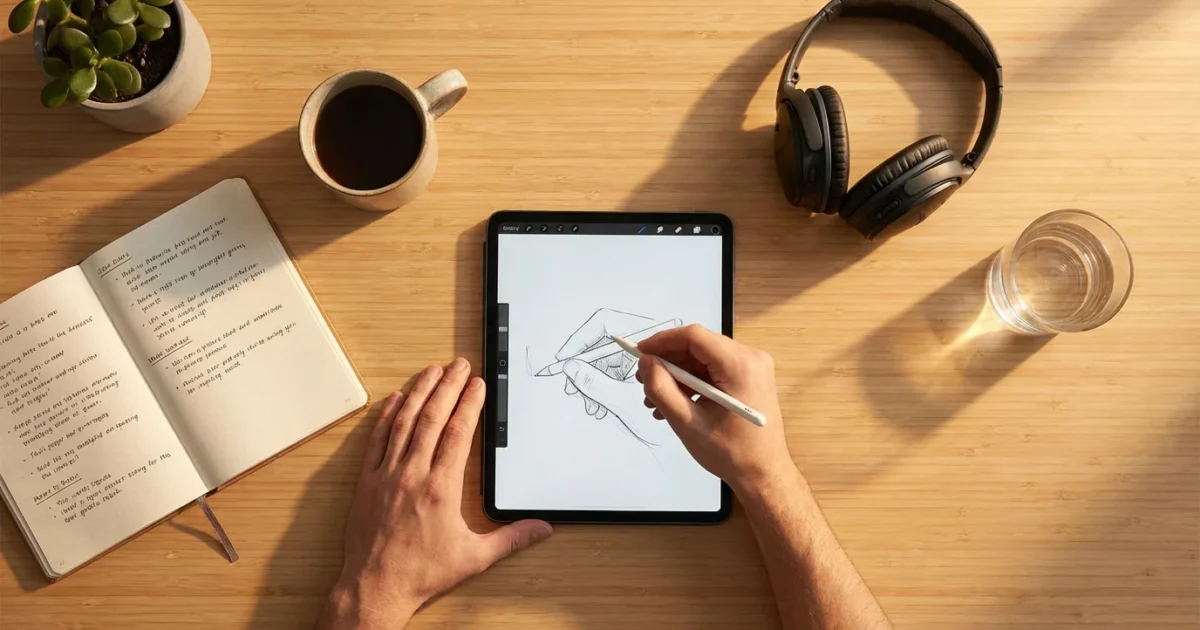
You know that feeling of being completely absorbed in a task, where time seems to melt away and your productivity soars? That is the flow state, a powerful psychological condition where you operate at your absolute best. It is a state of intense focus, deep engagement, and heightened enjoyment, crucial for anyone seeking peak performance in their professional life.
Achieving flow state at work is not just a pleasant experience, it is a strategic advantage. It boosts your efficiency, creativity, and job satisfaction. This guide provides you with proven techniques for inducing flow state, helping you tap into your potential and transform your work experience. We will explore the science behind flow, practical strategies, and actionable steps to make it a regular part of your day.

Understanding the Flow State: Your Brain on Peak Performance
The flow state, a term coined by psychologist Mihaly Csikszentmihalyi, describes a mental state in which an individual performing an activity is fully immersed in a feeling of energized focus, full involvement, and enjoyment in the process of the activity. This is your brain on peak performance, operating with remarkable efficiency and clarity.
When you enter flow, your brain undergoes specific neurochemical changes. It releases dopamine, norepinephrine, and anandamide, which contribute to feelings of pleasure, alertness, and reduced anxiety. This chemical cocktail enhances your ability to concentrate, learn, and perform complex tasks.
Key characteristics of a flow state include intense and focused concentration, a merging of action and awareness, a loss of reflective self-consciousness, a sense of personal control over the situation, a distortion of temporal experience (time flies), and experiencing the activity as intrinsically rewarding. You find the work itself satisfying, not just the outcome.

The Preconditions: Setting the Stage for Flow
You cannot simply decide to enter a flow state; you must create the right conditions for it to emerge. Think of these as the essential ingredients. Without them, your efforts to achieve flow state at work will often fall short.
First, you need clear goals. Define precisely what you intend to accomplish. A well-defined objective provides direction and helps narrow your focus, making it easier to concentrate on the task at hand.
Second, ensure you receive immediate feedback. This allows you to adjust your approach in real-time, maintaining engagement. If you are coding, the program compiles; if you are writing, words appear on the screen; if you are designing, you see the visual change.
Third, balance the challenge with your skills. The task should be challenging enough to stretch your abilities, but not so difficult that it causes frustration or anxiety. This is the sweet spot for inducing flow, where your skills are fully engaged without being overwhelmed. If a task feels too easy, increase its complexity or set a tighter deadline.
Finally, minimize distractions. Both your physical and digital environments play a crucial role. A chaotic space or a constant stream of notifications will break your concentration and prevent flow from taking hold.

Key Elements for Environment Setup
- Define clear objectives: Understand exactly what success looks like for your current task. Break larger projects into smaller, manageable sub-tasks.
- Ensure direct feedback loops: Structure your work so you immediately see the impact of your actions. This could be through testing code, reviewing a draft, or monitoring project progress.
- Match challenge to skill: Select tasks that push your boundaries slightly but remain within your competence. Adjust task difficulty if it feels too easy or too hard.
- Eliminate interruptions: Take proactive steps to reduce both internal and external distractions.

Practical Techniques to Induce Flow at Work
Once you understand the preconditions, you can implement specific techniques for inducing flow state. These strategies help you structure your time and attention, making it easier to achieve sustained periods of deep work and heightened productivity.

Time Blocking and Deep Work Sessions
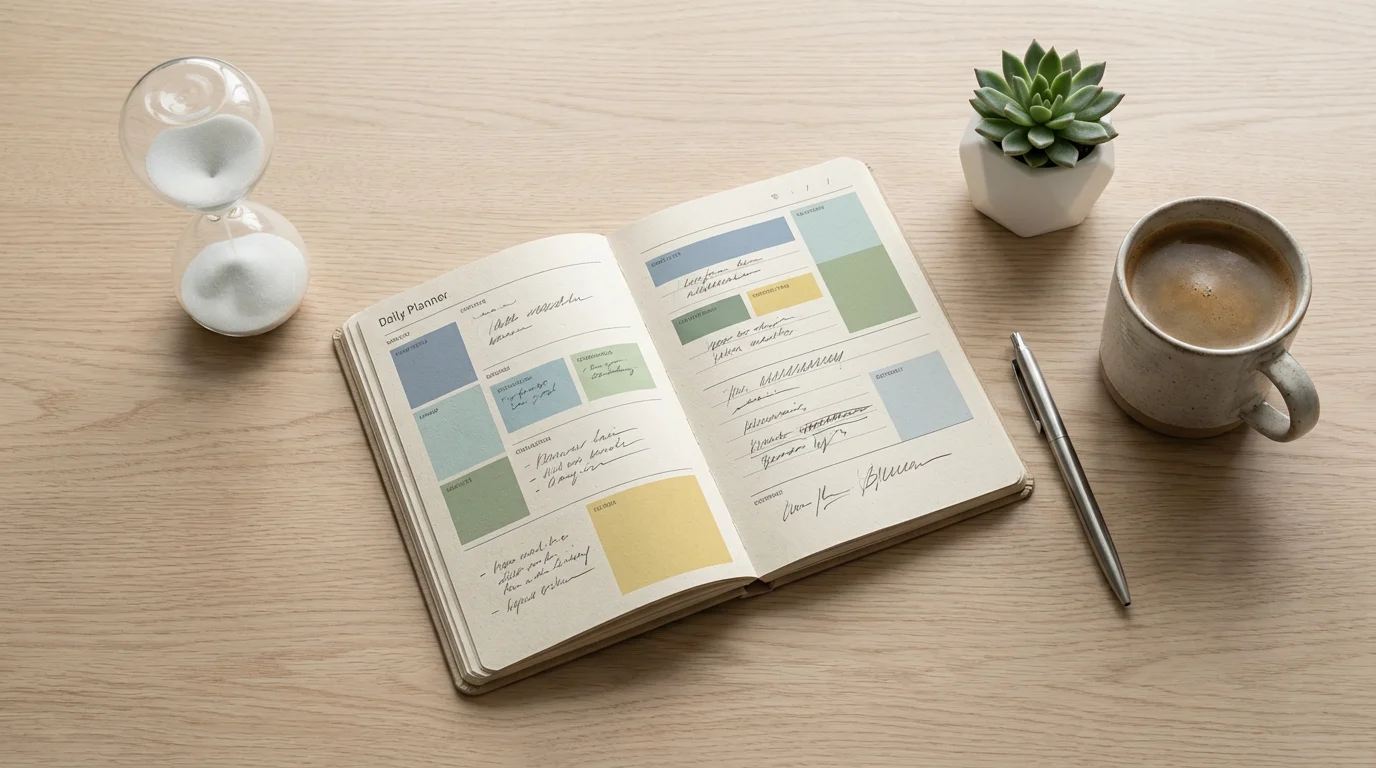
Dedicate specific, uninterrupted blocks of time to your most important tasks. This practice, often called time blocking, involves scheduling every minute of your workday. Treat these appointments with yourself as sacred. During these blocks, focus on a single, challenging task that aligns with your clear goals.
For example, you might schedule a 90-minute “deep work” block each morning from 9:00 AM to 10:30 AM. During this time, silence your phone, close unnecessary browser tabs, and communicate to colleagues that you are unavailable. Focus exclusively on a high-priority task like drafting a critical report or developing a new strategy. This focused effort builds momentum and increases the likelihood of entering a flow state.

Single-Tasking
Multitasking is a myth; you are actually rapidly switching between tasks, incurring a “switch cost” each time. This fragmentation of attention actively prevents flow. Commit to single-tasking during your dedicated work blocks. Choose one task and give it your full, undivided attention until completion or until your scheduled break.
Before starting, ask yourself, “What is the single most important thing I can work on right now?” Then, fully commit to that one item. If other ideas or tasks come to mind, quickly jot them down on a separate list for later, then immediately return to your primary focus.

The Pomodoro Technique
The Pomodoro Technique structures your work into focused 25-minute intervals, separated by short breaks. This method enhances your ability to sustain attention. The structured breaks prevent mental fatigue, allowing you to return to your work refreshed and ready for another focused burst.
Here is how it works: select one task, set a timer for 25 minutes, and work intensely until the timer rings. Take a 5-minute break, then repeat. After four “pomodoros,” take a longer break of 15-30 minutes. This rhythm helps train your brain for sustained concentration, a key aspect of `productivity` and inducing flow.

Micro-Breaks and Movement
Regular short breaks are essential for maintaining cognitive function and preventing burnout. Step away from your desk, stretch, or walk around for a few minutes. These micro-breaks do not break your flow; they refresh your mental resources, making it easier to re-enter a state of deep concentration.
Incorporating movement, even for a short period, boosts blood flow to your brain, enhancing alertness and focus. For instance, after a 50-minute work session, spend 10 minutes stretching or doing a quick walk around the office or house. This helps reset your attention and prepares you for the next period of intense focus.

Actionable Steps for Your Workday
- Schedule Deep Work: Block out 1-2 hours daily for your most challenging tasks.
- Use the “One Task” Rule: For each work block, commit to only one primary task.
- Implement Pomodoros: Experiment with 25/5 minute cycles to build focus endurance.
- Take Mindful Breaks: Stand up, stretch, or walk for 5 minutes every hour to recharge.
- Pre-plan Your Day: Define your top 3 priorities the evening before to start with clarity.

Optimizing Your Environment for Uninterrupted Focus
Your physical and digital surroundings profoundly impact your ability to concentrate. An optimized environment removes common distractions, creating a sanctuary where flow can flourish. This is vital whether you work in an office, remotely, or in a hybrid model.
Cultivating a quiet atmosphere and harnessing stillness for mental clarity can serve as a powerful catalyst for entering deep work.

Digital Hygiene
Notifications are significant flow disruptors. Turn off all non-essential notifications on your computer, phone, and even smartwatch during your focused work periods. Close unnecessary browser tabs and applications. Use a “do not disturb” mode on your devices. Consider using website blockers for sites that habitually pull you away from your work.
For example, if you are a content creator working from home, you might silence all social media notifications and close your email client for a 90-minute writing sprint. Only check emails at designated times. This prevents the constant urge to switch contexts, preserving your mental energy for the primary task.

Physical Workspace
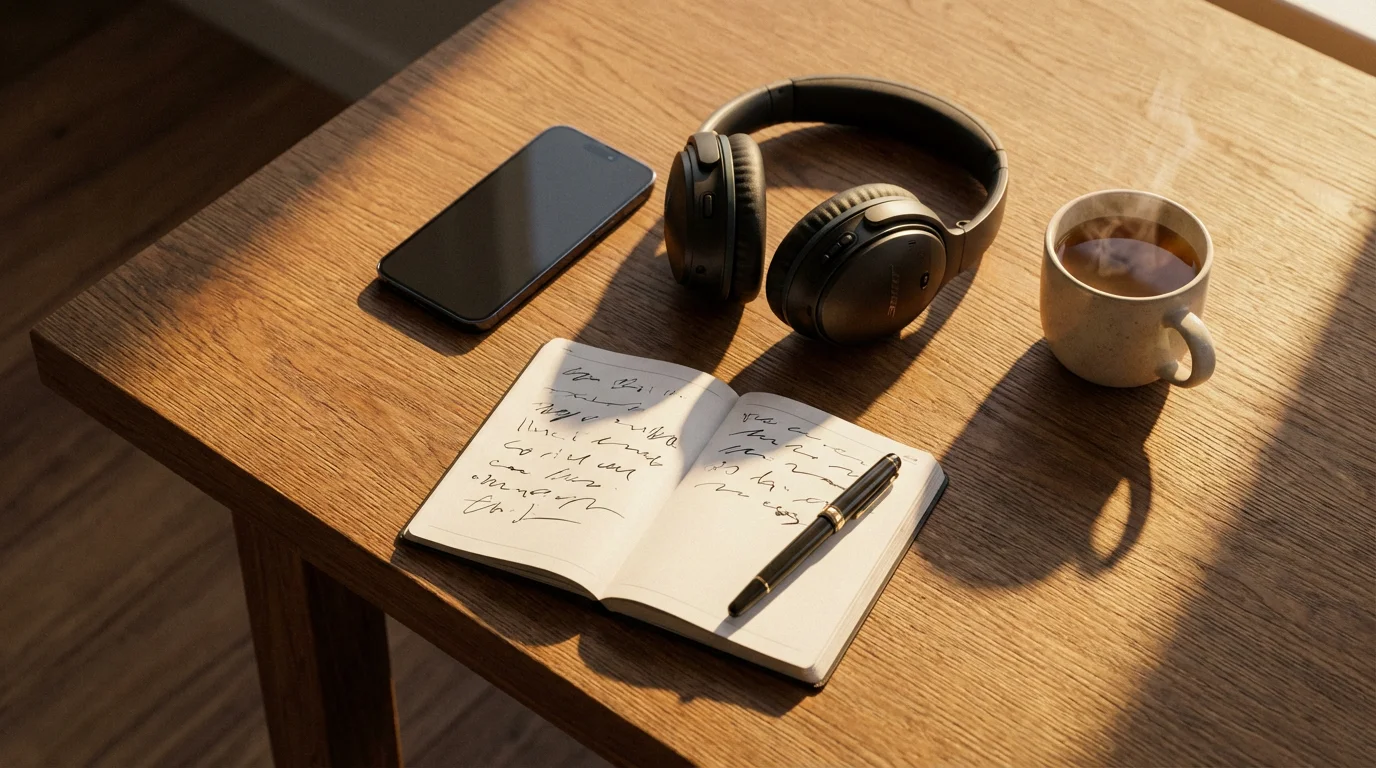
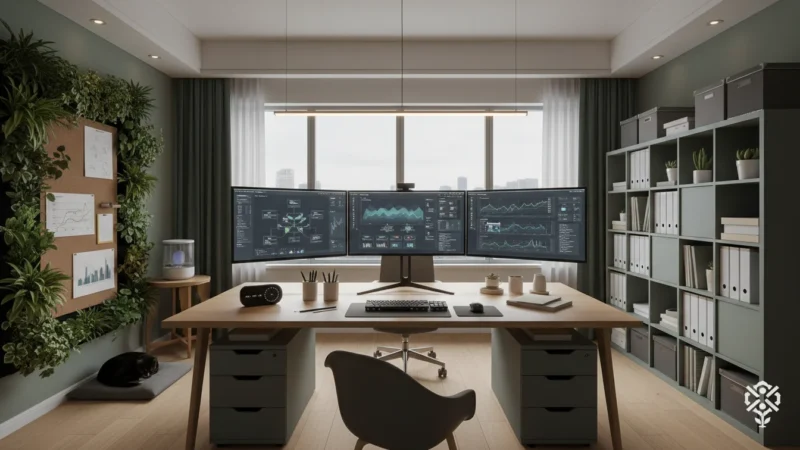
Your physical workspace directly influences your mental state. A cluttered desk often leads to a cluttered mind. Keep your workspace tidy, with only the essentials within reach. Ensure good lighting, a comfortable chair, and a clear surface. Consider ambient sound, such as instrumental music or nature sounds, if it helps you focus, or invest in noise-canceling headphones if your environment is noisy.
Imagine a software developer creating an intricate algorithm. Their desk is clear, two monitors display only relevant code and documentation, and they wear noise-canceling headphones. They have a glass of water nearby and no other items to pull their attention. This setup minimizes sensory overload, allowing their cognitive resources to be fully dedicated to the complex problem at hand.

Communication Boundaries
Proactively manage interruptions from colleagues or family members. If you work in an open office, use visual cues like a “do not disturb” sign or headphones. For remote workers, communicate your focused work blocks to family members or housemates. Set expectations about when you are available for discussion and when you need uninterrupted time.
For instance, if you are a project manager working remotely, you might put a small sign on your office door during deep work sessions, informing family members that you are in a focused block. You also might update your instant messenger status to “Deep Work, responding at [time]” to manage colleague expectations. This simple act reduces guilt and the likelihood of interruptions.

Cultivating a Flow-Friendly Mindset
Beyond external techniques, your internal approach significantly impacts your ability to achieve flow. A specific mindset prepares your brain for intense, enjoyable focus. Developing this mental framework is as crucial as optimizing your environment.

Mindfulness and Meditation for Focus
Mindfulness is the practice of being present and fully aware of the current moment. Regular mindfulness practice, through meditation for focus, trains your attention muscles. This makes it easier to direct and sustain your focus on tasks when you need to. Even 5-10 minutes of daily mindfulness meditation can significantly improve your ability to concentrate.
Start your day with a short guided meditation focusing on your breath. When your mind wanders, gently bring it back to the breath without judgment. This practice strengthens your ability to notice distractions and then intentionally return your attention to your chosen focus, a core skill for entering flow.

Positive Self-Talk and Growth Mindset
The way you talk to yourself influences your performance. Cultivate positive self-talk, replacing self-doubt with encouraging affirmations. Embrace a growth mindset, viewing challenges as opportunities for learning and improvement rather than insurmountable obstacles. This perspective fosters resilience and helps you persist when tasks become difficult, which is often when flow is about to emerge.
When you face a complex problem, instead of thinking, “This is too hard, I cannot do it,” reframe it to, “This is a great challenge, and I will learn a lot by figuring it out.” This shift in perspective makes you more likely to engage deeply and push through initial difficulties.

Embracing Challenges
Flow thrives on the edge of your abilities. Actively seek out tasks that are challenging but achievable. If your work feels monotonous, look for ways to introduce novelty or increase the complexity of your approach. Frame these challenges as opportunities for skill development and personal growth.
A sales professional, for example, might commit to learning a new negotiation technique and applying it to their next five calls, even if it feels slightly uncomfortable at first. This intentional stretching of skills increases engagement and the potential for flow.

Curiosity and Playfulness
Approach your work with a sense of curiosity and playfulness. When you are genuinely interested in what you are doing, you are more likely to become absorbed. Foster an experimental mindset; view your tasks as puzzles to solve or games to play. This intrinsic motivation is a powerful driver for sustaining focus and enjoyment.
“Clarity about what matters provides clarity about what does not.” — Deep Work Principle

Mindset Shifts for Flow
- Practice daily mindfulness: Dedicate 5-10 minutes each day to focus on your breath.
- Reframe challenges: View difficult tasks as growth opportunities, not roadblocks.
- Cultivate curiosity: Ask “What if?” and “How can I improve this?” regularly.
- Embrace process over outcome: Find enjoyment in the journey of completing a task.
- Celebrate small wins: Acknowledge progress to maintain motivation and positive self-talk.
Overcoming Common Obstacles to Flow
Even with the right mindset and environment, you will encounter challenges that disrupt your pursuit of flow. Identifying these common obstacles and having strategies to overcome them helps you maintain `peak performance` and regain focus quickly.

Information Overload
The sheer volume of emails, messages, and digital content can overwhelm your attention. Implement strategies to manage incoming information rather than letting it manage you. Process emails at designated times, use filters, and unsubscribe from irrelevant newsletters. Learn to quickly scan and triage information, focusing only on what is immediately relevant to your current task.
Before a flow session, close your email client and mute group chats. If you feel compelled to check something, jot it down to address during your next scheduled break. This prevents a constant pull on your attention, preserving cognitive resources for deep work.

Frequent Interruptions
Whether from colleagues, clients, or family, interruptions are a major barrier to flow. Proactive communication is key. Use “do not disturb” signs, set specific availability hours, and clearly communicate your need for uninterrupted focus to those around you. If an interruption occurs, politely but firmly explain your current focus and offer to connect at a later, more appropriate time.
For example, if a colleague approaches your desk during a deep work block, you might say, “I am in the middle of a focused task right now, can we chat about this at 2 PM?” This protects your time and sets a clear boundary for future interactions.

Lack of Clarity
Vague tasks or unclear objectives make it impossible to enter flow. If you do not know exactly what you are supposed to be doing or what a successful outcome looks like, your brain cannot engage fully. Before starting a task, ensure you have a clear understanding of the goal, the required steps, and the desired output.
If a task feels nebulous, take 5-10 minutes to define it. Break it down into smaller, concrete steps. Write a mini-plan or outline. This preparatory step, though seemingly taking time away from the task, actually saves time by preventing mental wandering and facilitating a faster entry into deep focus.

Burnout
Pushing yourself too hard without adequate rest and recovery leads to burnout, which severely hinders your ability to concentrate and experience flow. Recognize the signs of burnout, such as persistent fatigue, cynicism, or reduced efficacy. Prioritize sleep, nutrition, exercise, and true downtime. Flow is sustainable only when balanced with restoration.
Schedule regular breaks, take proper lunch breaks, and ensure you disconnect from work in the evenings and on weekends. These periods of rest are not wasted time; they are crucial for your brain to consolidate information and recharge, making future flow experiences possible.

Sustaining Peak Performance: Making Flow a Habit
Achieving flow is not a one-time event; it is a skill you develop and refine over time. By consciously integrating flow-inducing practices into your daily routine, you can sustain peak performance and make these moments of deep engagement more frequent and accessible.

Reviewing and Adjusting Your Approach
After a focused work session, take a moment to reflect. What helped you enter flow? What hindered it? What could you do differently next time? Keep a journal of your flow experiences, noting the task, the environment, and your mental state. This self-assessment provides valuable insights, allowing you to fine-tune your `techniques for inducing flow state` and optimize your process.
For instance, you might notice that you consistently enter flow when listening to a specific type of instrumental music, but struggle when working in a noisy cafe. Use this information to consciously choose your work environment and audio cues for future deep work sessions.

Tracking Flow Experiences
Consider tracking your flow moments. This does not need to be overly complex. Simply note when you felt particularly absorbed and productive. Over time, you will identify patterns in the types of tasks, times of day, and environmental conditions that best facilitate your flow state. This data-driven approach allows you to proactively engineer your schedule for maximum focus.
A simple spreadsheet could list the date, task, start/end time, and a quick rating (1-5) of your focus and enjoyment. Reviewing this weekly can reveal trends and help you refine your `productivity` strategies.
Integrating Flow into Daily Routines
Make the preconditions and techniques for flow a natural part of your workday. Start each day with a clear plan, schedule your deep work blocks, and proactively manage distractions. The more you practice these habits, the less effort it will take to initiate and maintain focus, eventually making flow a regular, predictable experience rather than a sporadic occurrence.
For example, if you know your peak focus time is in the morning, consistently schedule your most demanding tasks then. Treat your flow preparation as a ritual: clear your desk, put on headphones, close distracting tabs. This routine signals to your brain that it is time to engage deeply.

Rest and Recovery
Flow is an intense state, and it requires energy. Adequate rest, quality sleep, and regular breaks are non-negotiable for sustaining your ability to enter flow. Treat recovery as an integral part of your productivity strategy, not an afterthought. Your brain needs time to process information and repair itself.
Ensure you are getting 7-9 hours of quality sleep each night. Schedule genuine downtime where you completely disconnect from work-related tasks and engage in restorative activities. This could be exercise, spending time in nature, or engaging in hobbies. These periods recharge your cognitive batteries, making future flow sessions more accessible and effective.

Daily Habits for Sustaining Flow
- Consistent sleep schedule: Prioritize 7-9 hours of quality sleep every night.
- Regular physical activity: Incorporate exercise to boost energy and mental clarity.
- Mindful transitions: Use short rituals to switch between tasks or work and rest.
- Schedule unstructured time: Allow for creative thinking and relaxation.
- Review and adapt: Regularly assess what supports your flow and adjust your habits accordingly.
Frequently Asked Questions
How long does it take to enter a flow state?
The time it takes to enter a flow state varies, but most people report needing at least 15-25 minutes of uninterrupted focus to fully immerse themselves. This is why minimizing distractions and committing to dedicated time blocks are so crucial.
Can anyone achieve flow?
Yes, the capacity for flow is universal. While some individuals might find it easier or more frequent, anyone can cultivate the conditions and practices necessary to experience flow, regardless of their profession or personality type.
Is flow the same as hyperfocus?
While both involve intense concentration, they are distinct. Flow is an enjoyable, intrinsically rewarding state where you maintain a sense of control and perform optimally. Hyperfocus, often associated with ADHD, can be an involuntary, exhaustive state where attention is fixated on one thing to the exclusion of others, sometimes even irrelevant ones, without the same sense of joy or control.
What if my job isn’t challenging enough for flow?
Even in seemingly mundane jobs, you can often find ways to introduce challenge. Try to improve efficiency, learn a new aspect of your role, or take on additional responsibilities. Focus on mastering small details or finding innovative solutions. You can also reframe your perspective, viewing tasks as puzzles to solve or opportunities to refine your skills.
Does caffeine help with flow?
Caffeine can enhance alertness and focus, which may indirectly support the conditions for flow. However, excessive caffeine can lead to jitters and anxiety, which are detrimental to concentration. Use it judiciously and understand its effects on your body. The goal is calm, focused energy, not overstimulation.
How do I know I am in flow?
You know you are in flow when you experience a deep sense of engagement, losing track of time, feeling fully in control, and finding the activity intrinsically rewarding. You might notice a lack of self-consciousness and a feeling of effortless action. If you look up and realize hours have passed, you were likely in a flow state.
The information provided on this website is for general informational purposes only and does not constitute medical, psychological, or legal advice. Always seek the advice of a qualified professional for any health or well-being concerns.



Leave a Reply