
In today’s fast-paced world, staying focused amidst constant distractions feels like a superpower. Whether you navigate an open-plan office, work from a bustling home, or frequent noisy coffee shops, external sounds relentlessly compete for your attention. This persistent sonic bombardment fractures your focus, diminishes productivity, and increases stress levels.
Fortunately, you possess the power to reclaim your concentration. Implementing effective noise-canceling strategies allows you to create a personal sanctuary of silence, or at least a controlled soundscape, wherever you are. This article provides practical, actionable insights and tools to help you optimize your focus, minimize distractions, and maximize your output, even in the most challenging environments.
Understanding the Impact of Noise on Your Focus
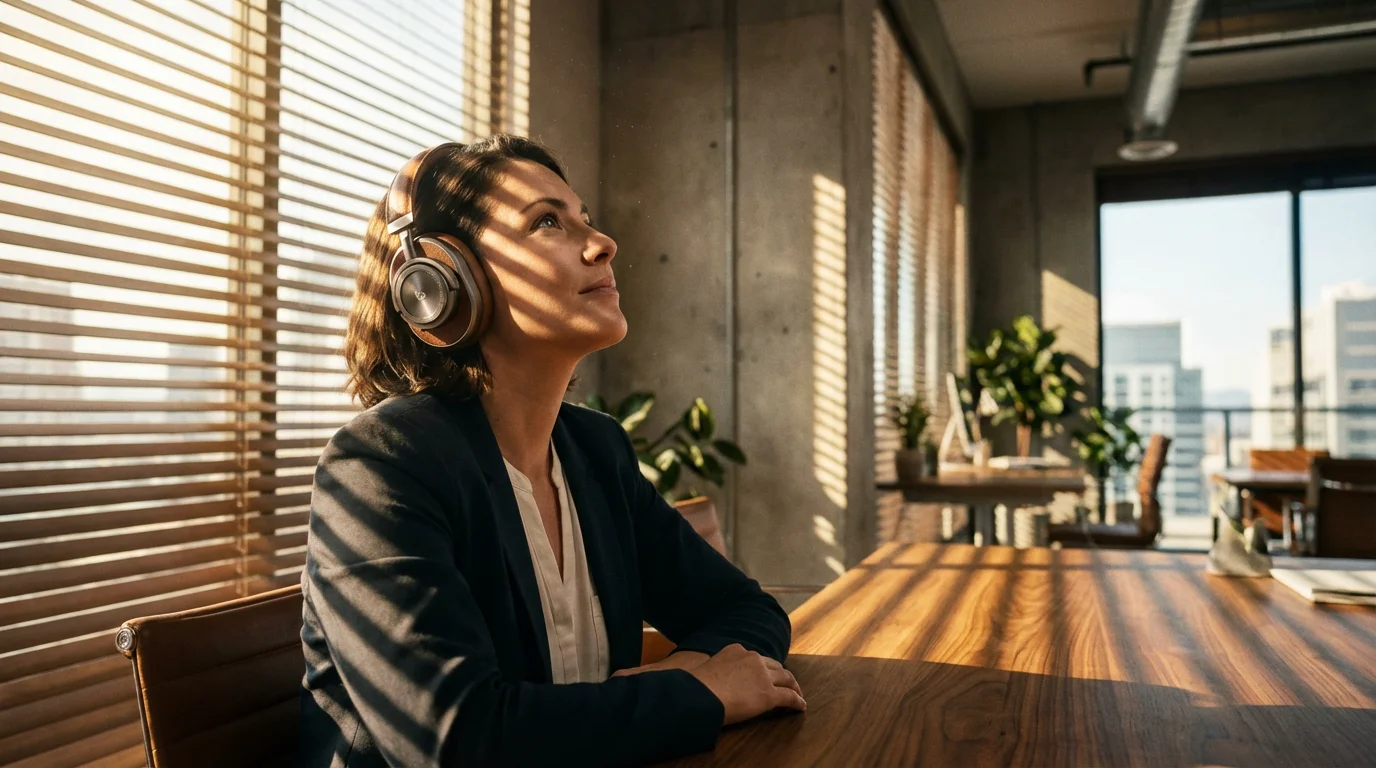
Noise is more than just an annoyance. It actively degrades your cognitive performance and well-being. Studies show that even low-level background noise can impair memory, reduce attention span, and increase the likelihood of errors. Your brain expends significant energy attempting to filter out irrelevant sounds, leaving less cognitive capacity for the task at hand. This constant battle against distractions directly impacts your ability to sustain focus.
You might believe you “get used to” the noise, but your brain continues to process it, even if subconsciously. This leads to what researchers call “cognitive fatigue.” Your long-term productivity suffers because of this sustained effort to maintain focus in noisy environments. Recognizing this impact is the first step toward reclaiming your concentration and maximizing productivity with noise canceling techniques.
Auditory Shielding: Hardware Solutions for Immediate Relief
The most direct approach to combat external noise involves physical barriers. High-quality hardware solutions provide an immediate, tangible reduction in sound, enabling you to regain focus quickly.
Noise-Canceling Headphones
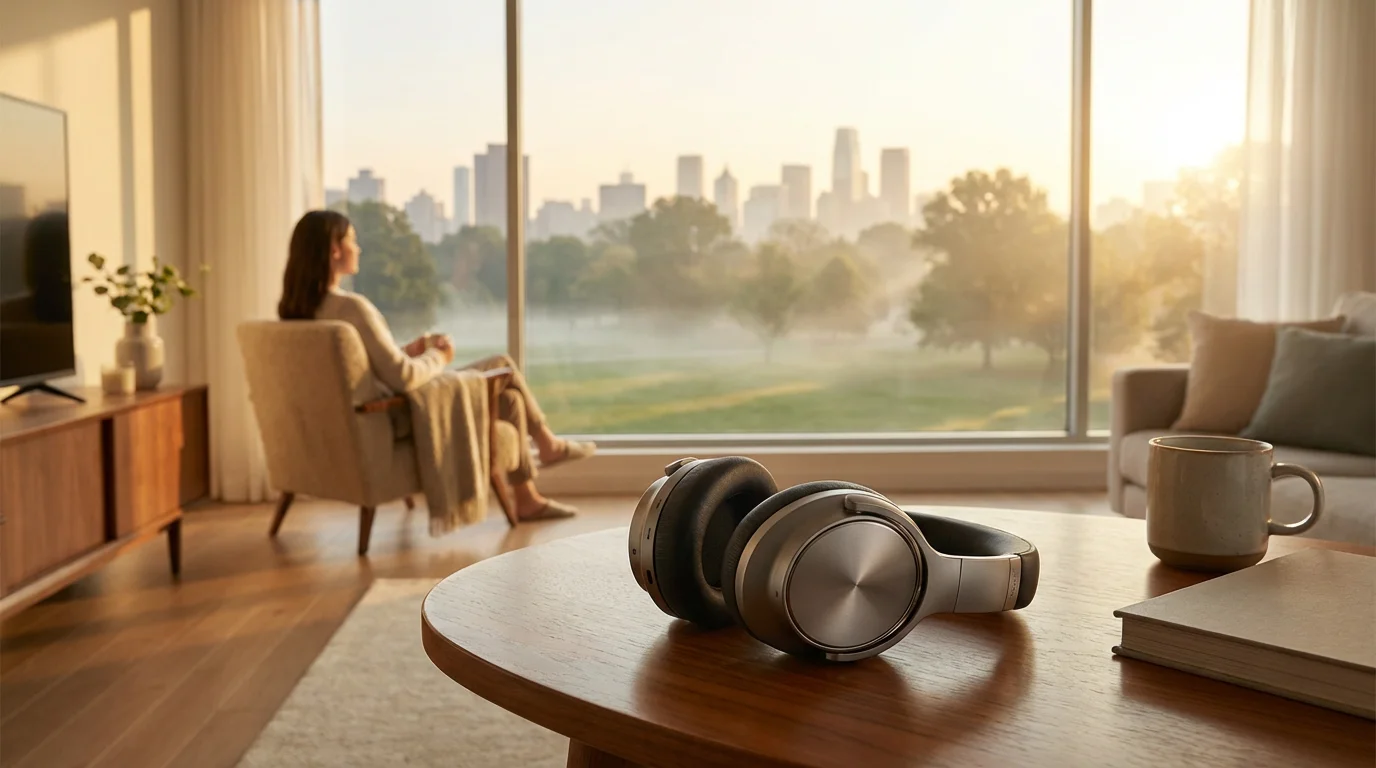
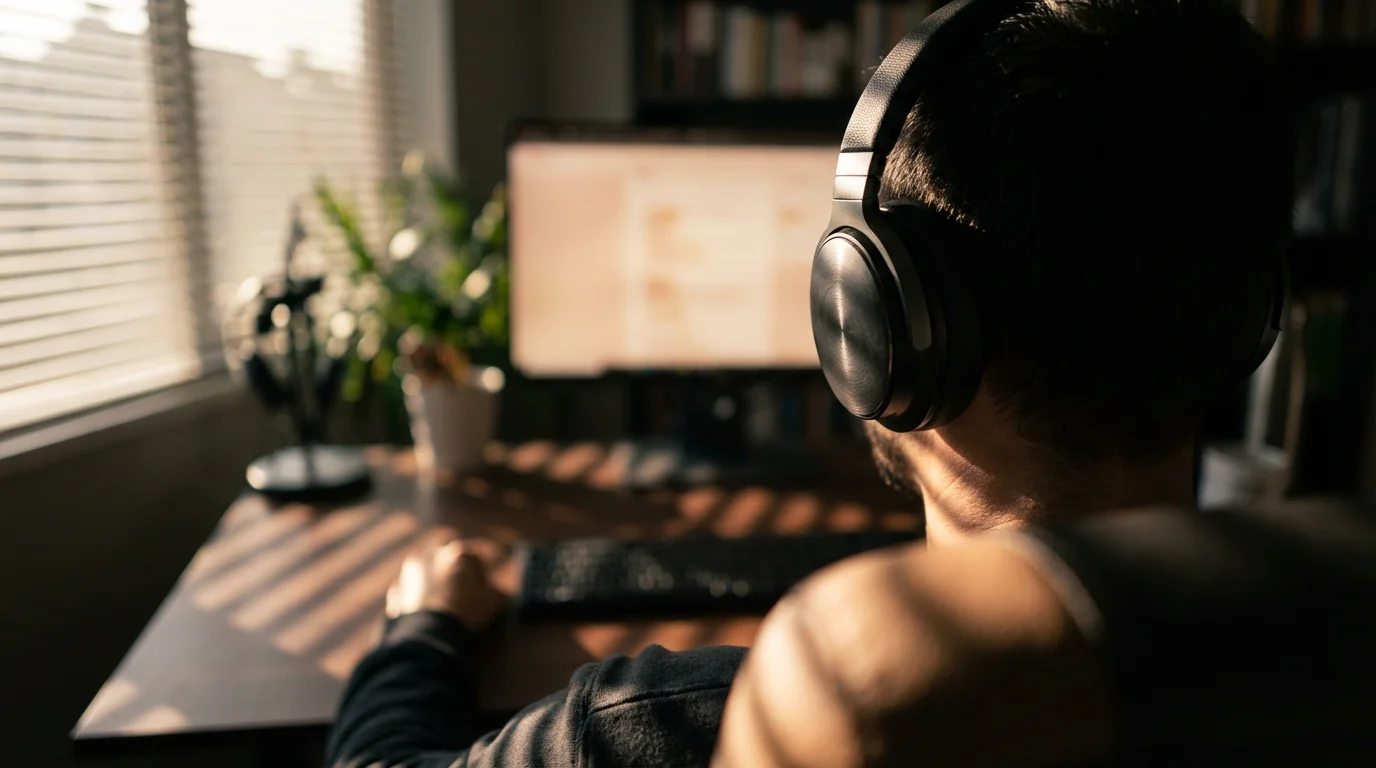
These devices employ active noise cancellation, which uses microphones to pick up ambient sound waves and then generates inverted sound waves to cancel them out. This technology dramatically reduces low-frequency sounds like engine hums, air conditioning, and distant chatter.
- When to use: Open-plan offices, commutes, airplane travel, noisy home environments.
- Benefits: Significantly reduces background noise, creates a personal quiet zone, allows for focused listening to music or white noise.
- Recommendation: Invest in a reputable brand. Test different models for comfort and sound quality, especially if you wear them for extended periods. Consider models with good microphone quality if you also take calls.
An example: Imagine you are trying to analyze complex financial data in a bustling office. The hum of the server room and colleagues’ conversations constantly pull your attention. Slipping on a pair of quality noise-canceling headphones instantly dulls these distractions, allowing you to immerse yourself in spreadsheets without constant interruptions. This creates an immediate shift towards better focus in noisy environments.

Passive Noise-Isolating Headphones and Earbuds
These rely on a snug physical seal to block out sound. While they do not use active technology, their effectiveness in blocking mid- to high-frequency sounds can be considerable.
- When to use: Any situation where you need to block sharp, sudden noises, or prefer a less expensive option.
- Benefits: Effective for blocking higher frequencies, often more portable, can be more affordable.
- Recommendation: Choose ear tips that fit your ear canal perfectly to achieve the best seal. Many come with various sizes.

Earplugs
For situations demanding absolute silence or minimal sound, earplugs offer a simple, highly effective solution. They are particularly good for blocking out high-frequency sounds that noise-canceling headphones sometimes miss.
- When to use: Deep work sessions, reading, studying, during meditation, or when you need a complete break from sound.
- Benefits: Inexpensive, highly portable, offer significant sound reduction.
- Types: Foam earplugs are disposable and provide excellent noise reduction. Reusable silicone or wax earplugs conform to your ear shape for comfort and can last longer.
- Consideration: Extended use can sometimes be uncomfortable or lead to ear infections if not cleaned properly.
Experiment with different hardware solutions to find what best suits your environment and personal comfort. Combining earplugs with noise-canceling headphones creates an almost impenetrable barrier against distractions, a powerful strategy for maximizing productivity with noise canceling.
Sonic Strategies: Leveraging Sound to Your Advantage
Sometimes, complete silence feels unnatural or even more distracting. In these cases, using specific types of sound can actually enhance your focus rather than detract from it. This involves replacing chaotic, unpredictable noise with predictable, soothing, or stimulating soundscapes.

White Noise, Pink Noise, and Brown Noise
These are types of ambient noise that mask other sounds by creating a consistent frequency spectrum. They help “smooth out” the auditory environment, making sudden noises less jarring and easier to ignore.
- White Noise: Contains all audible frequencies at equal intensity. It sounds like a constant static or hissing.
- Pink Noise: Emphasizes lower frequencies, sounding deeper and more natural, like a steady rainfall or rustling leaves. Research suggests it can improve sleep quality and even memory.
- Brown Noise: Even deeper, with more energy in the lower frequencies, resembling a strong waterfall or thunder.
- How to use: Play through headphones or a dedicated sound machine. Many apps and websites offer these sound options.
- Benefit: Creates an auditory “blanket” that reduces the perceived intensity of other noises, making it easier to sustain focus.
Binaural Beats
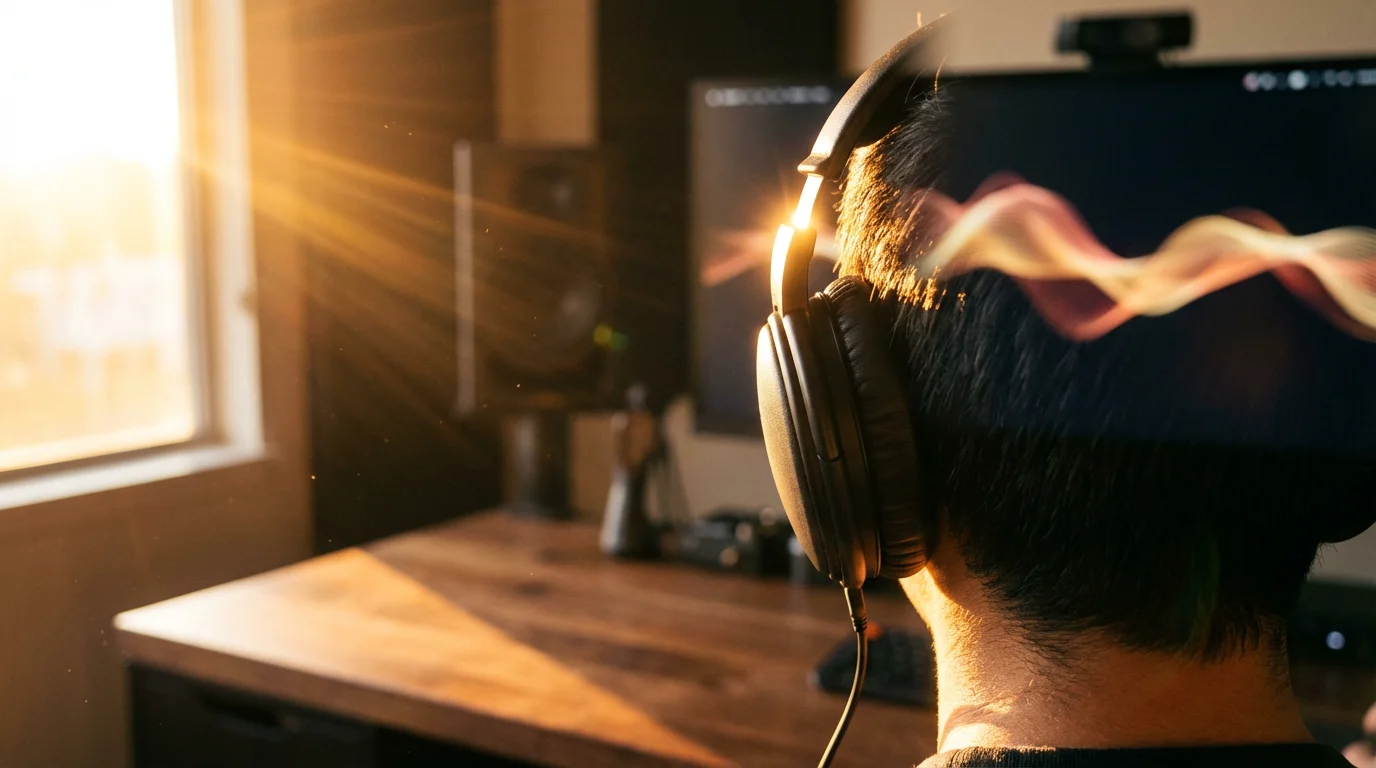
Binaural beats involve playing two slightly different frequencies into each ear. Your brain perceives a third, “beat” frequency, which can influence your brainwave activity. Different beat frequencies are associated with different states, such as relaxation (alpha waves) or enhanced focus (beta or gamma waves).
- How to use: Listen with stereo headphones for about 15-30 minutes. Numerous apps and YouTube channels offer binaural beat tracks.
- Benefit: Can induce specific mental states, potentially improving concentration or relaxation, helping you focus in noisy environments.
- Consideration: Effectiveness varies per individual. Some find it highly beneficial, while others report minimal impact.
Concentration Music
Certain types of music are specifically designed to aid focus. These often include instrumental tracks, classical music, lo-fi beats, or ambient soundscapes without jarring changes or vocal distractions.
“Clarity about what matters provides clarity about what does not.” — Deep Work Principle
This principle applies to your auditory environment too. When your goal is deep concentration, eliminate auditory ‘clutter’ that does not support your work.
- How to use: Create playlists of instrumental music that you enjoy and find non-distracting.
- Benefit: Can provide a pleasant auditory background, mask other noises, and even boost mood, indirectly supporting focus.
- Caution: Avoid music with lyrics, as your brain naturally tries to process the words, diverting cognitive resources.
By intentionally curating your sound environment, you transform a source of distraction into a tool for enhanced concentration.
Environmental Engineering: Designing a Quieter Workspace
While personal hardware provides immediate relief, optimizing your physical environment offers a long-term solution to reduce ambient noise and improve your focus. This involves making strategic adjustments to your workspace itself.
Strategic Desk Placement
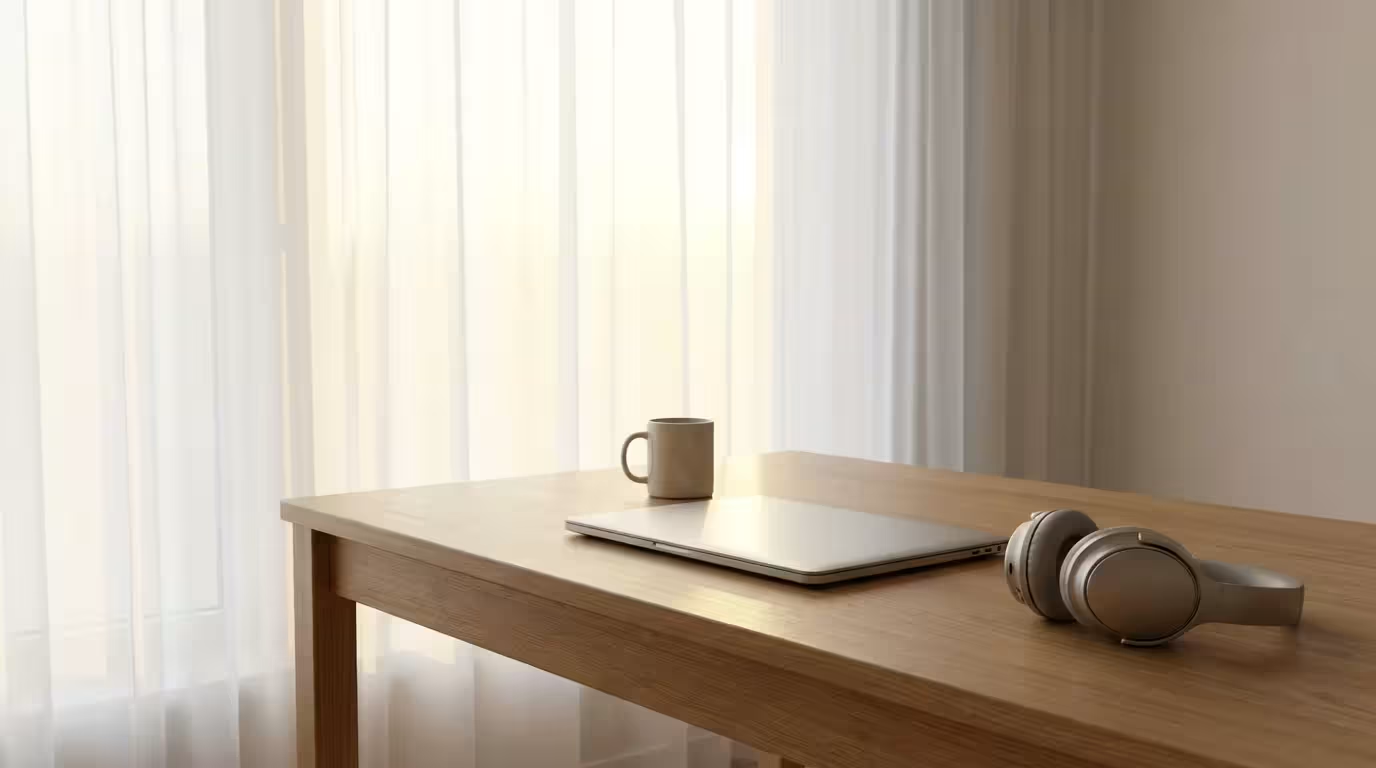
Your desk’s location significantly impacts your exposure to noise.
- Against a solid wall: Reduces sound reverberation and blocks visual distractions from behind you.
- Away from high-traffic areas: Position yourself away from doorways, corridors, or common gathering spots in an office.
- Near a window: While a window offers natural light, ensure it doesn’t face a particularly noisy street or construction site. If it does, consider heavy curtains.
Sound-Absorbing Materials
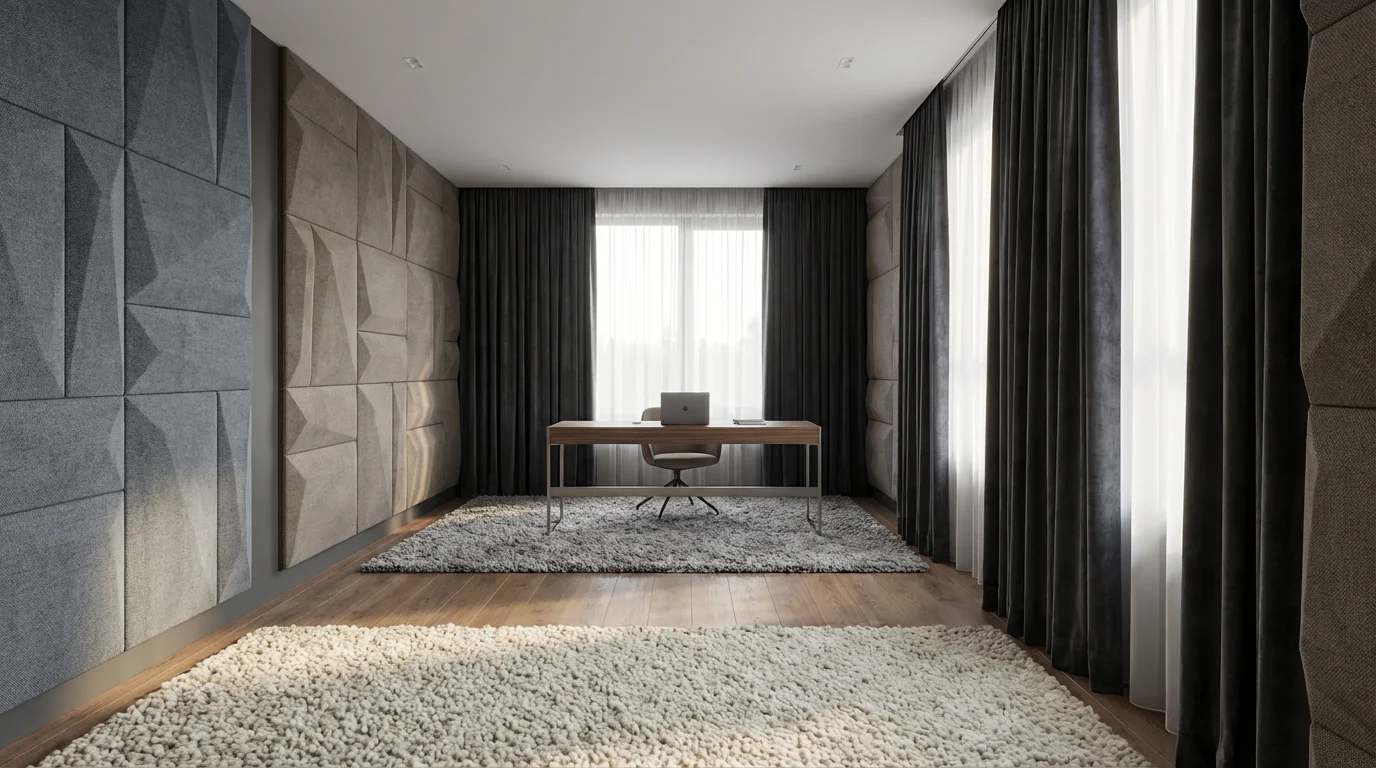
Hard surfaces reflect sound, making rooms echoey and noisy. Incorporating soft, sound-absorbing materials can dramatically reduce reverberation and overall noise levels.
- Rugs or carpets: Absorb foot traffic noise and general room echo.
- Curtains or drapes: Heavy fabrics block sound coming from windows and absorb internal echoes.
- Acoustic panels: Specifically designed to absorb sound. You can place them on walls or ceilings, particularly in home offices or shared spaces.
- Upholstered furniture: Sofas, armchairs, and even padded desk chairs absorb more sound than hard, minimalist furniture.
An example: In a small home office with hardwood floors and bare walls, every cough from another room and every key tap on your keyboard reverberates. Adding a thick rug, heavy curtains, and even a large bookshelf filled with books can absorb much of this sound, creating a noticeably quieter and more conducive environment for deep work.

Physical Barriers and Room Dividers
In shared spaces, even simple barriers can make a difference.
- Bookshelves: A tall, filled bookshelf acts as an excellent sound barrier between two areas.
- Room dividers: Portable screens or panels can visually and acoustically separate your workspace from other activities.
- Tall plants: While not as effective as solid barriers, large, leafy plants can help dampen sound slightly and improve aesthetics.
Think about your workspace as a system you can fine-tune. Small adjustments in your environment can yield significant improvements in your ability to maintain focus and reduce distractions.

Digital Detoxification: Managing Notification Overload
In our increasingly digital world, noise does not just come from physical sources. Your devices are constant sources of auditory and visual distractions. Mastering digital noise cancellation is crucial for maximizing productivity with noise canceling strategies.
Silence Unnecessary Notifications
Every ping, buzz, or pop from your phone or computer pulls your attention away. Even if you ignore the notification, the cognitive residue lingers, making it harder to return to your task.
- Smartphone settings:
- Disable all non-essential app notifications. Only allow calls or messages from critical contacts.
- Use “Do Not Disturb” modes, scheduling them for your focus periods.
- Place your phone face down or in another room during deep work.
- Computer settings:
- Turn off desktop notifications for email, social media, and non-work-related apps.
- Close unnecessary browser tabs and applications.
- Utilize focus modes available in operating systems (e.g., Windows Focus Assist, macOS Focus).
A practical tip: Review your notification settings across all devices for 10 minutes at the start of your week. Be ruthless in silencing anything that doesn’t demand immediate action. This simple audit can drastically reduce digital noise.

Batching Communication
Constantly checking emails or messages breaks your focus into tiny fragments. Batching involves dedicating specific times to communication tasks.
- Email: Check and respond to emails only at designated times, say, 9 AM, 1 PM, and 4 PM. Close your email client otherwise.
- Messaging apps: Allocate 15-minute slots for Slack, Teams, or other chat apps, rather than reacting instantly.
- Benefit: Reduces interruptions, allows for deeper work, and manages expectations for immediate responses.
“Work expands to fill the time available for its completion.” — Parkinson’s Law
If you continuously check communications, you expand the time you spend on them, encroaching on your focused work.

Website Blockers and Productivity Apps
For persistent digital distractions, leverage technology to your advantage.
- Website blockers: Tools like Freedom, Cold Turkey, or browser extensions allow you to block distracting websites or apps for set periods.
- Pomodoro Technique timers: These apps enforce structured work and break intervals, helping you stay on task and avoid digital wandering.
- Forest app: Gamifies focus by growing a virtual tree when you avoid your phone during a set period.
By actively managing your digital environment, you build a powerful internal barrier against noise, allowing you to sustain focus for longer periods.

Mindset Mastery: Internal Noise-Canceling Techniques
Even with the best hardware and environmental controls, your internal state significantly impacts your ability to focus. Mental clutter, stress, and task switching create their own form of internal noise. Mastering these internal noise-canceling techniques empowers you to optimize focus regardless of external conditions.

Mindfulness and Meditation
These practices train your mind to observe thoughts and distractions without getting carried away by them. Regular mindfulness practice enhances your ability to direct and sustain attention.
- Short meditation breaks: Take 5-10 minutes before a focused task to simply observe your breath. This calms the mind and centers your attention.
- Mindful awareness: When a distraction arises, internally acknowledge it without judgment, then gently redirect your attention back to your work.
- Benefit: Reduces mental chatter, improves emotional regulation, and strengthens your attentional muscle.
Single-Tasking (Monotasking)
Multitasking is a myth. What you actually do is “task switching,” rapidly moving your attention between different tasks. Each switch incurs a “context-switching cost,” meaning your brain needs time and energy to reorient itself to the new task. This dramatically reduces your efficiency and focus.
- Focus on one task: Commit to completing one task before moving to the next. Close all irrelevant applications and put away other papers.
- Use a timer: Dedicate a specific block of time (e.g., 25-50 minutes) to one task, free from switching.
- Benefit: Improves task completion rates, reduces errors, and allows for deeper engagement with your work.
An example: Instead of trying to respond to emails while drafting a report and glancing at a research paper, you dedicate 45 minutes solely to the report draft. You close your email, silence your phone, and place the research paper aside. This single-minded focus allows you to make substantial progress without the mental friction of constant switching.
Regular Breaks and Cognitive Rest
Your brain needs time to recharge. Pushing through without breaks leads to cognitive fatigue, making you more susceptible to distractions and internal noise.
- The Pomodoro Technique: Work for 25 minutes, then take a 5-minute break. After four “pomodoros,” take a longer 15-30 minute break.
- Micro-breaks: Stand up, stretch, look away from your screen, or walk around for a minute or two every hour.
- Benefit: Maintains mental energy, improves focus over longer periods, and prevents burnout.
By training your mind and structuring your work, you develop an internal noise-canceling system that complements your external strategies, allowing you to maximize productivity with noise canceling.
Implementing Your Noise-Canceling Toolkit: A Step-by-Step Approach
Integrating these strategies requires a methodical approach. Start small, experiment, and build habits.
- Assess Your Current Noise Landscape:
- Identify your primary noise sources: Is it office chatter, street noise, digital notifications, or internal mental distractions?
- Note when and where these distractions are most prevalent.
- Choose 1-2 Hardware Solutions to Start:
- If external noise is dominant, invest in quality noise-canceling headphones or comfortable earplugs.
- Test them during your most challenging focus periods.
- Experiment with Sonic Strategies:
- Try white noise or ambient music during a 30-minute focused work session.
- See if it helps mask other sounds or improves your concentration.
- Conduct a Digital Notification Audit:
- Dedicate 15 minutes to review and disable non-essential notifications on your phone and computer.
- Schedule specific times for checking email and messages.
- Optimize Your Workspace Gradually:
- Rearrange your desk for better positioning.
- Add one sound-absorbing element, like a small rug or a heavy curtain. Observe the difference.
- Practice Mindful Focus:
- Before starting a critical task, take 2 minutes to sit silently, focus on your breath, and set an intention for focused work.
- When your mind wanders, gently guide it back.
- Integrate Structured Breaks:
- Use a Pomodoro timer for one or two work blocks each day.
- Notice how these breaks refresh your focus.
Remember, this is not a one-time fix but an ongoing process of optimization. Your environment and tasks change, so your strategies must adapt. Consistency in applying these noise-canceling strategies drives significant improvements in your ability to maintain focus.
Common Pitfalls and How to Overcome Them
Implementing new productivity strategies often comes with challenges. Acknowledging these potential hurdles allows you to prepare and stay on track.
- “The novelty wears off” syndrome: Initially, new tools or techniques feel exciting and effective. Over time, you might revert to old habits.
- Solution: Regularly review your methods. Set reminders to use your headphones or enable focus modes. Treat your focus as a skill requiring continuous practice.
- Over-reliance on one solution: Believing a single pair of headphones will solve all your noise problems.
- Solution: Build a multi-layered toolkit. Combine hardware with sonic strategies, environmental tweaks, and internal mindset techniques. No single solution works for every type of distraction.
- Feeling isolated by noise-canceling tools: Some worry that wearing headphones signals unavailability or disconnects them from colleagues.
- Solution: Communicate your intentions. Inform your team that when you wear headphones, you are engaged in deep work. Establish a visual cue, like a small “Do Not Disturb” sign. This sets clear boundaries and expectations.
- Ignoring internal noise: Focusing only on external sounds while your mind races with anxieties or unfinished tasks.
- Solution: Incorporate mindfulness, meditation, and a structured task management system to clear mental clutter. A cluttered mind is a noisy mind, even in a silent room.
- Inconsistent application: Using strategies sporadically rather than integrating them into your routine.
- Solution: Schedule your focus time. Treat these periods as non-negotiable appointments. Make your noise-canceling preparations part of your pre-work routine.
Overcoming these pitfalls requires patience and persistence. View each challenge as an opportunity to refine your approach and strengthen your ability to focus in noisy environments.
Frequently Asked Questions
Can noise-canceling headphones damage my hearing?
No, when used responsibly, noise-canceling headphones do not damage hearing. In fact, by reducing ambient noise, they allow you to listen to audio at lower, safer volumes, which can protect your hearing over time. Avoid listening at excessively high volumes, regardless of headphone type.
Is it bad to always work with noise-canceling headphones on?
Working consistently with noise-canceling headphones is not inherently bad, but it requires balance. While excellent for deep focus, always wearing them can make you less aware of your surroundings, potentially leading to social isolation or missing important cues in a collaborative environment. Use them strategically for your most demanding tasks, and take them off during less intensive periods or when interacting with others.
What if I find complete silence distracting?
Many people find absolute silence unnerving or even more distracting than background noise. If this describes you, explore sonic strategies like white noise, pink noise, or instrumental concentration music. These provide a consistent, non-distracting auditory background that masks sudden sounds without being overwhelming, helping you maintain focus.
How do I convince my office to reduce noise?
Start by presenting data on the impact of noise on productivity and well-being. Suggest actionable solutions like designating quiet zones, investing in acoustic panels, or implementing “focus hours” where conversations are minimized. Lead by example by using your own noise-canceling strategies. Frame it as a benefit for everyone’s productivity and mental health.
Can noise-canceling strategies help with ADHD?
Yes, many individuals with ADHD find noise-canceling strategies highly beneficial. External distractions are a significant challenge for attention regulation. Tools like noise-canceling headphones, white noise, and structured focus techniques (like the Pomodoro Technique) can create a more predictable and less stimulating environment, aiding in sustained attention. Always consult with a healthcare professional for personalized advice.
Are there affordable noise-canceling options?
Absolutely. You do not need to spend a fortune. High-quality foam earplugs are very affordable and incredibly effective. Many free apps offer white noise or ambient sounds. For headphones, passive noise-isolating earbuds are often more budget-friendly than active noise-canceling models and still offer significant sound reduction.
Disclaimer: The information provided in this article is for informational purposes only and does not constitute medical, psychological, or legal advice. Always seek the advice of a qualified professional for any health or well-being concerns.