

Clutter often feels like a constant companion, silently draining your energy and impacting your focus. You know the feeling: searching endlessly for keys, struggling to find a clean shirt, or facing a desk buried under papers. This daily friction erodes productivity and contributes to unnecessary stress.
Organized living offers a powerful antidote. It is more than just tidying up, it is a deliberate approach to managing your physical environment to support your mental clarity, productivity, and overall well-being. By systematically decluttering and organizing each space in your home, you transform chaotic zones into functional, serene environments. This guide provides a practical, actionable roadmap to reclaim your space and your peace of mind, room by room.
Understanding Organized Living: More Than Just Tidy Rooms
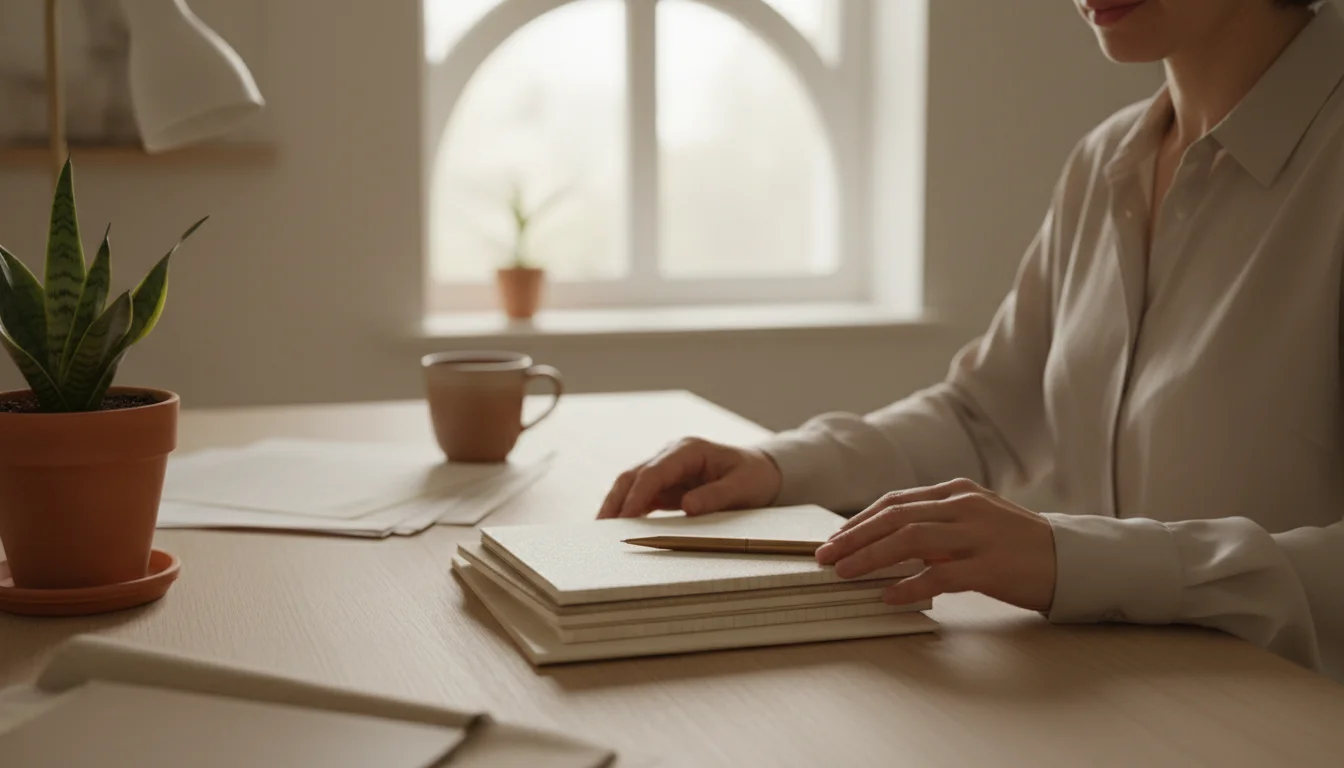
Organized living extends beyond aesthetic appeal, it directly influences your cognitive function and emotional state. Research indicates that visible clutter competes for your attention, increasing stress and reducing your ability to focus on essential tasks. Your brain constantly processes visual information, and a chaotic environment overloads this capacity.
By learning to streamline your sanctuary, you remove the visual friction that prevents deep work and true relaxation.
When you embrace organized living, you create an external environment that mirrors internal clarity. This systematic approach involves evaluating possessions, creating dedicated homes for items, and establishing routines to maintain order. The benefits ripple through every aspect of your life, from improved decision-making to a greater sense of calm and control.
“Your environment is a silent force shaping your thoughts and actions. Deliberately organized spaces empower you to think clearly, act efficiently, and live more intentionally.”
Consider the impact on your productivity. When your workspace is clear, you spend less time searching for documents or tools. When your home is streamlined, you reduce mental fatigue and gain more time for meaningful activities. This approach shifts from reactive tidying to proactive system design, ensuring that your surroundings support your goals rather than hinder them.
The Focused Method for Decluttering: Principles for Success
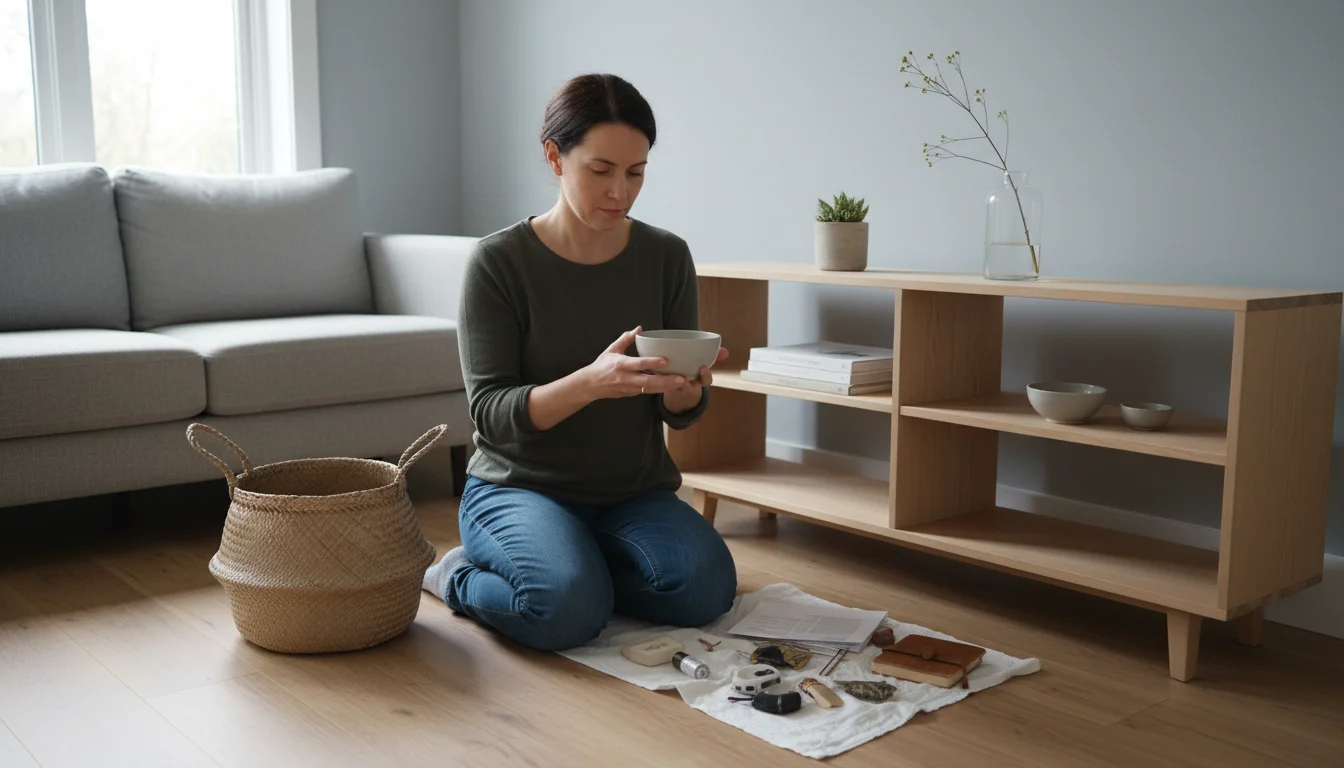
Effective decluttering requires a strategic approach, not just a frantic clean-up. The Focused Method emphasizes intentionality, manageable steps, and sustainable systems. Before you begin any room-specific task, internalize these core principles.
Treating these organizational tasks as a keystone habit can trigger a positive chain reaction in your personal and professional productivity.
To ensure these changes stick, consider establishing The 10-Minute Daily Tidy-Up habit to manage accumulation before it starts.
- Define Your “Why”: Understand your motivation for decluttering. Do you seek more peace, increased productivity, or reduced stress? Clarity on your goals fuels your commitment and helps you make difficult decisions about what to keep.
- Start Small, Build Momentum: Avoid overwhelming yourself with an entire house at once. Choose a single drawer, a shelf, or a small area. Completing these mini-projects builds confidence and demonstrates the immediate benefits of decluttering.
- The “Four-Box” Method: This classic technique provides a clear framework for sorting. Label four boxes or bags: “Keep,” “Donate/Sell,” “Trash,” and “Relocate.” As you handle each item, immediately assign it to a category. This prevents items from piling up in an unmade decision heap.
- One-In, One-Out Rule: To prevent future clutter, adopt this simple habit. When you bring a new item into your home, especially in categories prone to accumulation (like clothes, books, or kitchen gadgets), commit to removing an existing item in the same category. This maintains balance and prevents over-accumulation.
- Time-Block Your Decluttering: Dedicate specific, short blocks of time for decluttering sessions. Even 20-30 minutes, several times a week, proves more effective than attempting an all-day marathon. Set a timer, focus intensely during that period, and stop when the timer rings. This respects your energy levels and makes the task less daunting.
Decluttering the Bedroom: Your Sanctuary for Rest
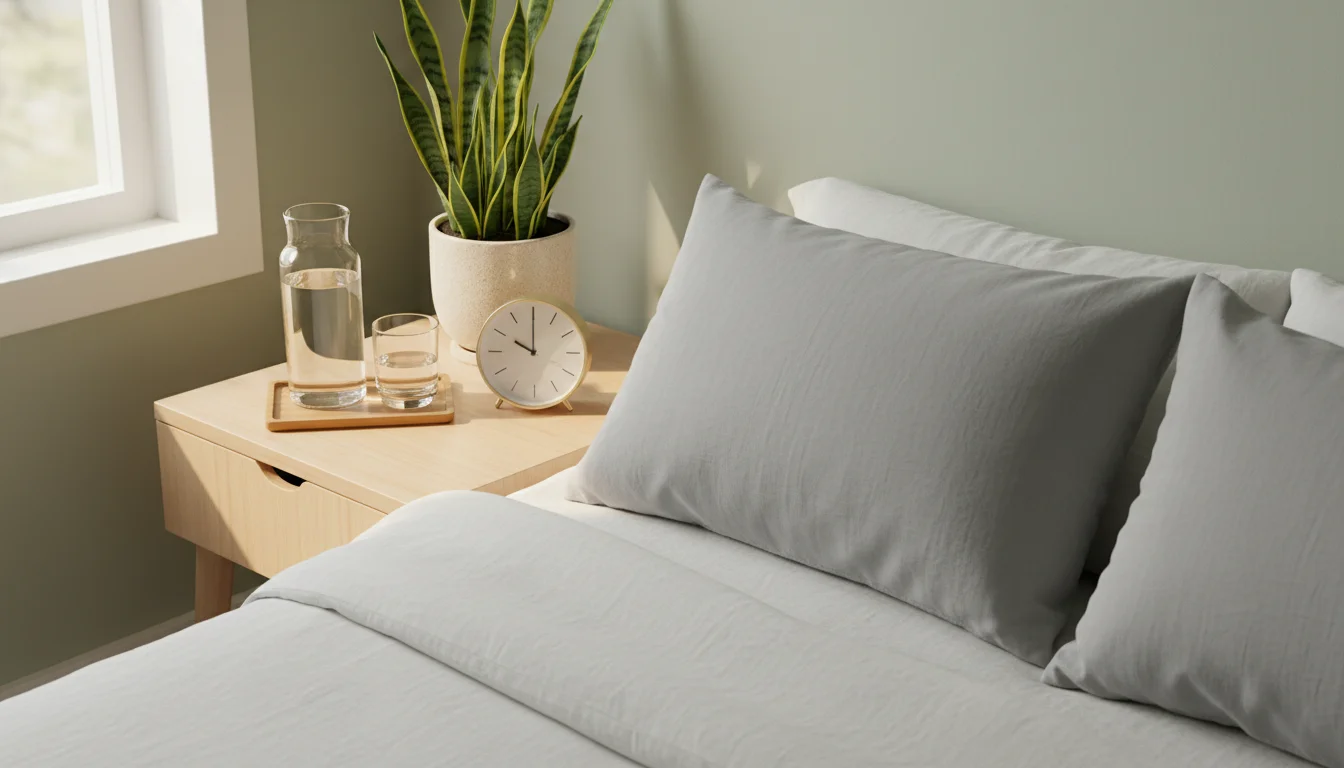
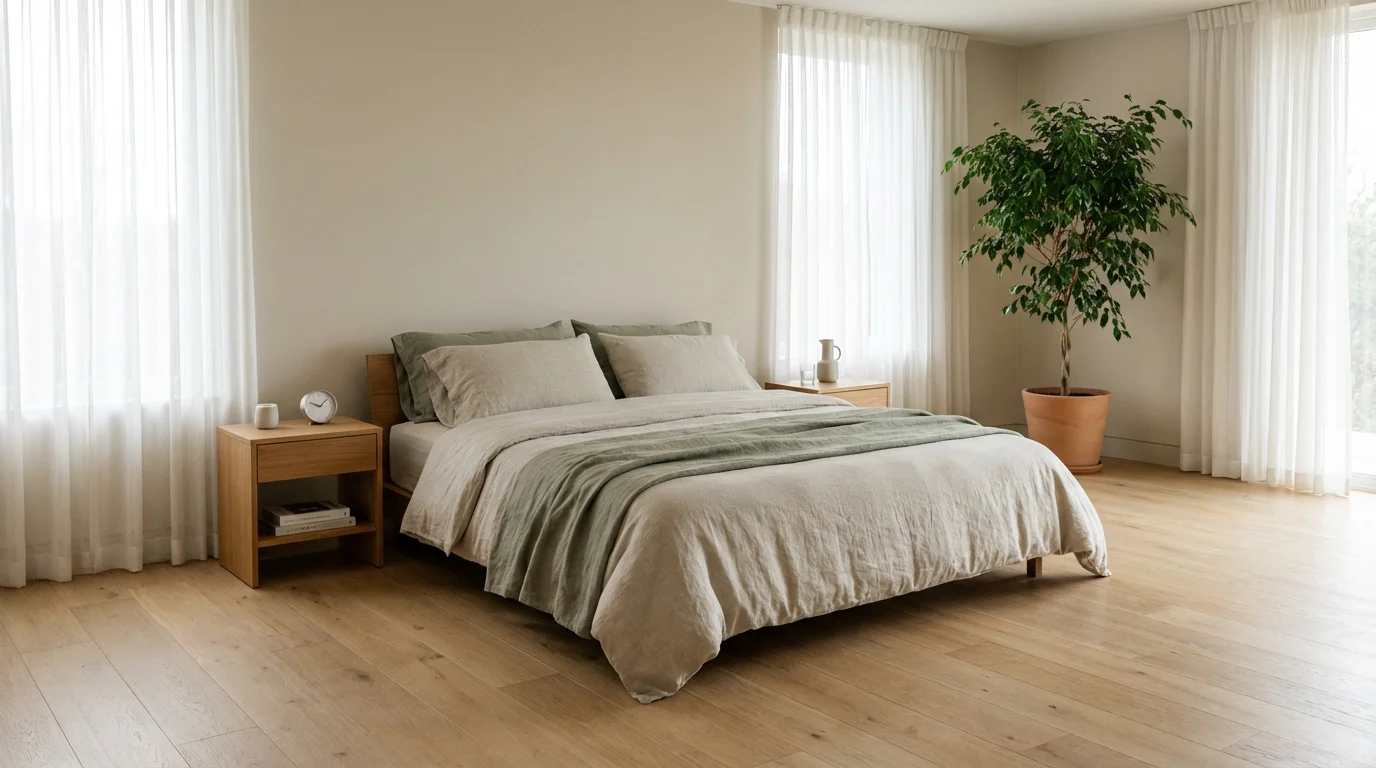
Your bedroom should function as a haven for rest and rejuvenation, free from distractions. Begin your decluttering journey here to establish a sense of calm that extends to the rest of your home. Aim for a serene environment that supports quality sleep and relaxation.
Wardrobe Organization: The Capsule Wardrobe Approach
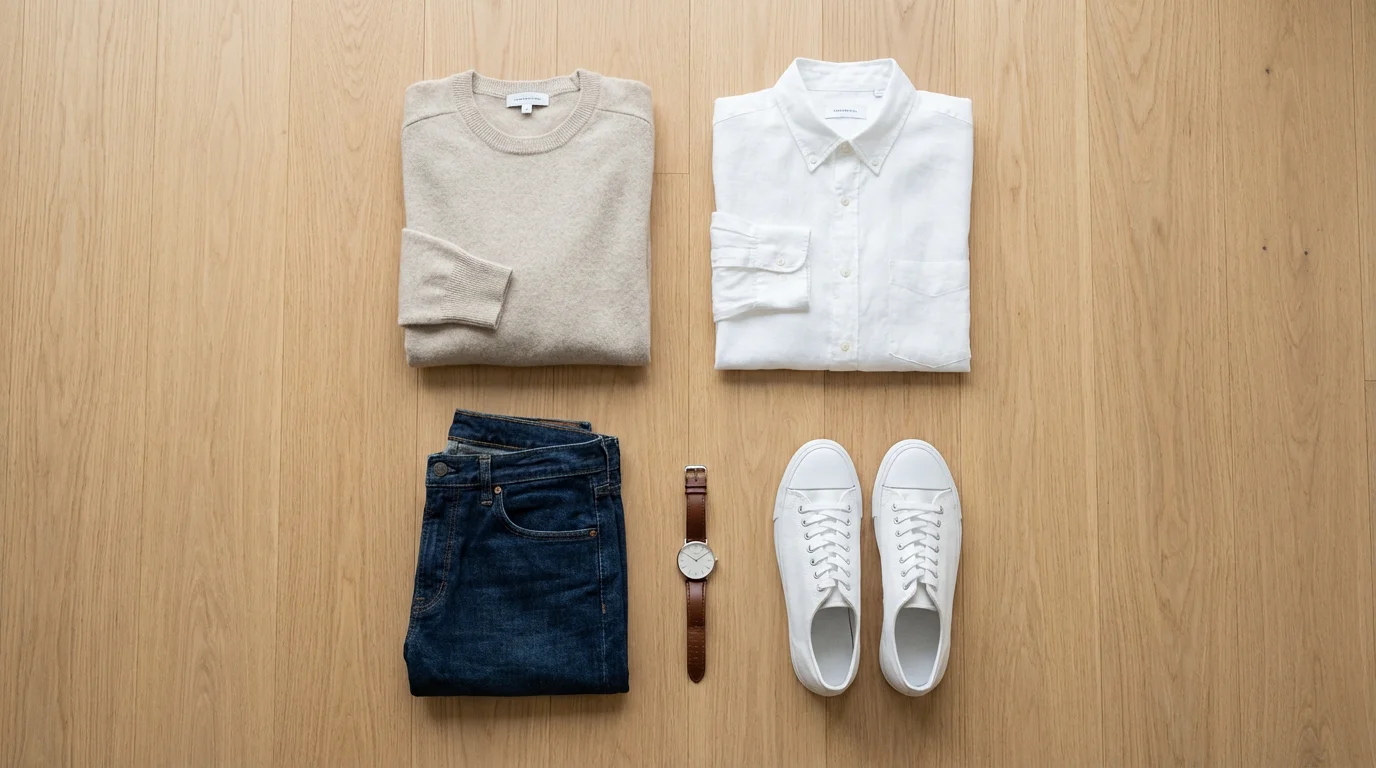
An overflowing wardrobe creates daily decision fatigue. Dedicate 2-3 hours to this task. Pull every item out of your closet and drawers. Evaluate each piece with these questions: “Does this fit me well?”, “Have I worn this in the last year?”, “Does this make me feel good?”.
Consider adopting a capsule wardrobe philosophy, where you focus on a smaller collection of versatile, high-quality items that mix and match easily. Store seasonal clothes not currently in use. Fold items using space-saving techniques, and use matching hangers for a cohesive look.

Nightstand and Dresser Top Management
These surfaces often become catch-alls. Limit items on your nightstand to essentials: a lamp, a book, perhaps a glass of water. Store charging cables in a small drawer or use cable clips. On dresser tops, group decorative items on a small tray. Aim for clear surfaces to reduce visual noise.
Digital Declutter for Better Sleep
While not physical, digital clutter on devices often stored in the bedroom impacts sleep quality. Spend 15 minutes deleting unnecessary apps, unsubscribing from email lists, and organizing photos on your phone or tablet. Establish a “no screens in bed” rule at least 30 minutes before sleep, using a physical book instead.
Worked Example: Tackling an Overfull Dresser
Imagine your dresser drawers are so packed they resist closing. Start with one drawer. Empty its contents onto your bed. Sort items into “Keep,” “Donate,” and “Repair/Trash” piles. For your “Keep” pile, fold t-shirts vertically, maximizing space and visibility. Use drawer dividers to separate categories, such as socks, underwear, and pajamas. Once the first drawer is complete, move to the next. This focused approach prevents you from feeling overwhelmed and quickly yields noticeable results.

Taming the Kitchen: The Heart of Your Home
The kitchen, often called the heart of the home, also becomes a magnet for clutter, from overflowing pantries to gadget-laden countertops. An organized kitchen streamlines meal preparation, reduces food waste, and makes cooking a more enjoyable experience. Plan for 3-5 hours for this intensive room.
Clear Countertops and Landing Zones
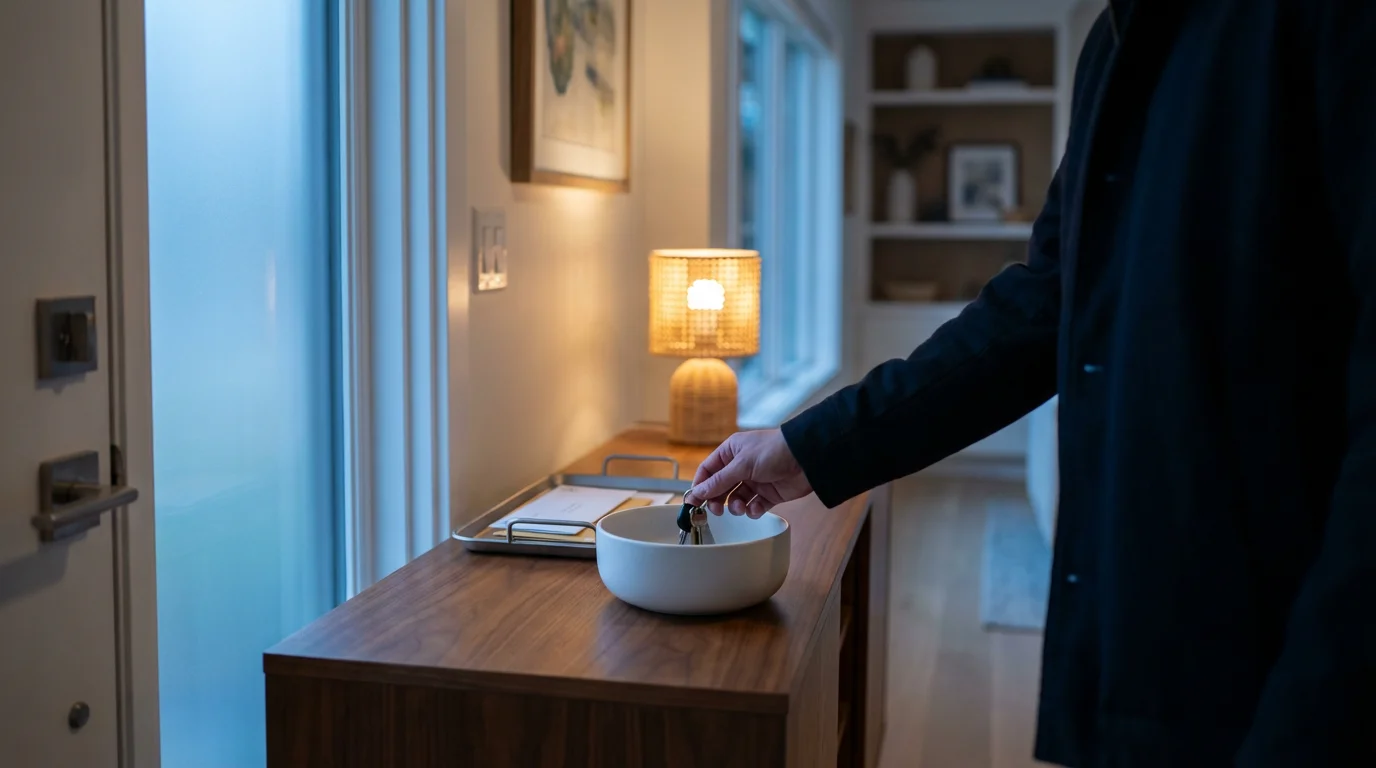
Countertops should primarily serve as work surfaces. Remove any appliances you use less than once a week, storing them in cabinets or a pantry. Designate a small landing zone for items like keys or mail, but ensure these items are processed daily to prevent accumulation. A clear counter signals a clean kitchen.

Pantry Organization: Zones and FIFO
Empty your pantry completely. Discard expired items and donate unopened non-perishables you will not use. Group similar items: baking supplies, canned goods, snacks, breakfast items. Implement the “First-In, First-Out” (FIFO) principle, placing newer items behind older ones to ensure proper rotation. Use clear containers, labels, and tiered shelves to maximize visibility and accessibility.
Drawer and Cabinet Systems
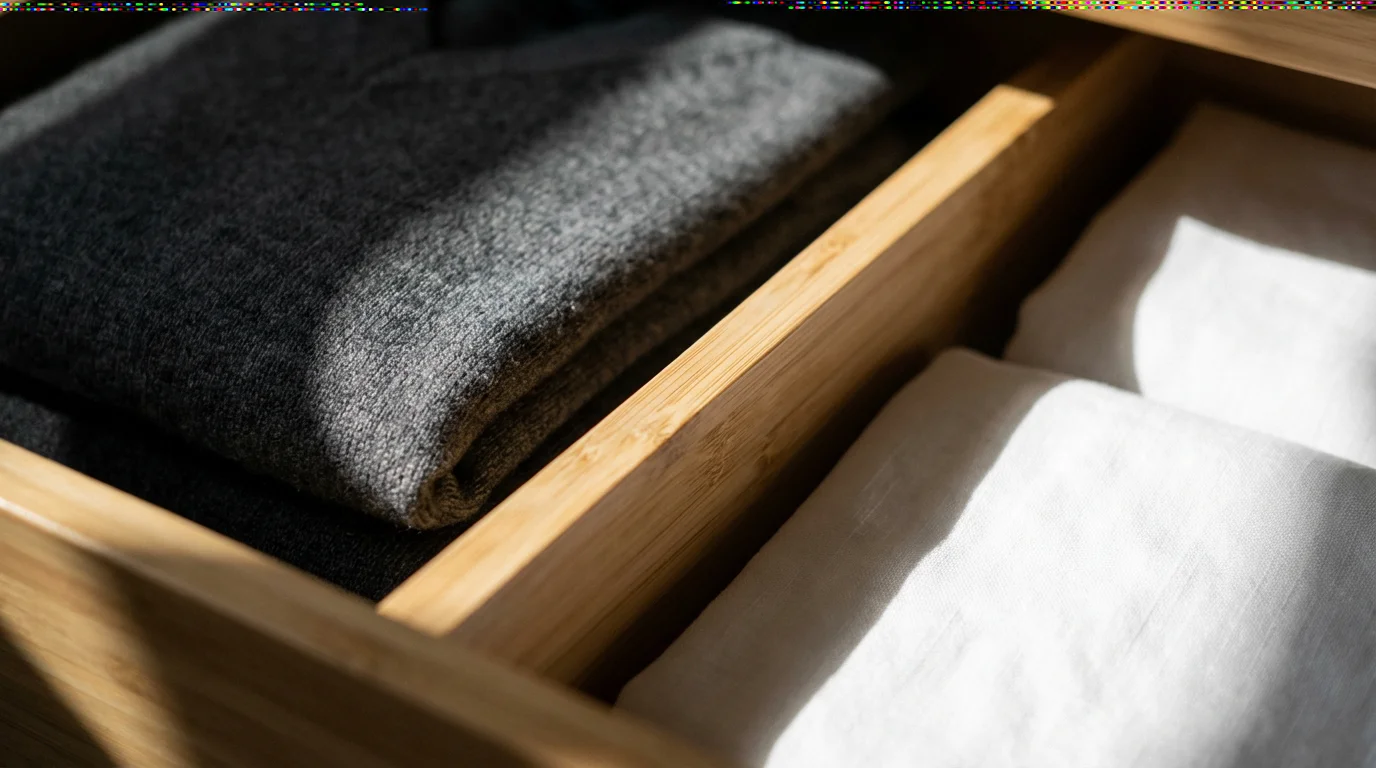
Categorize the contents of each drawer and cabinet. Dedicate specific drawers for utensils, bakeware, or cleaning supplies. Use drawer organizers for silverware, cooking tools, and small gadgets. For cabinets, utilize stackable shelves or pot and pan organizers. Store plates and bowls near the dishwasher for easy unloading.
Worked Example: Conquering the Spice Rack Chaos
Your spice cabinet is a jumbled mess of half-used bottles, some ancient, some new. Dedicate 30 minutes. Pull every spice jar out. Check expiration dates on each one and discard anything past its prime or that has lost its aroma. Combine duplicate spices into a single, labeled jar if space permits. Arrange remaining spices alphabetically or by frequency of use. If space allows, consider a tiered spice rack or magnetic tins for easy visibility. This quick win makes cooking much more efficient.

Optimizing Your Home Office: For Peak Productivity
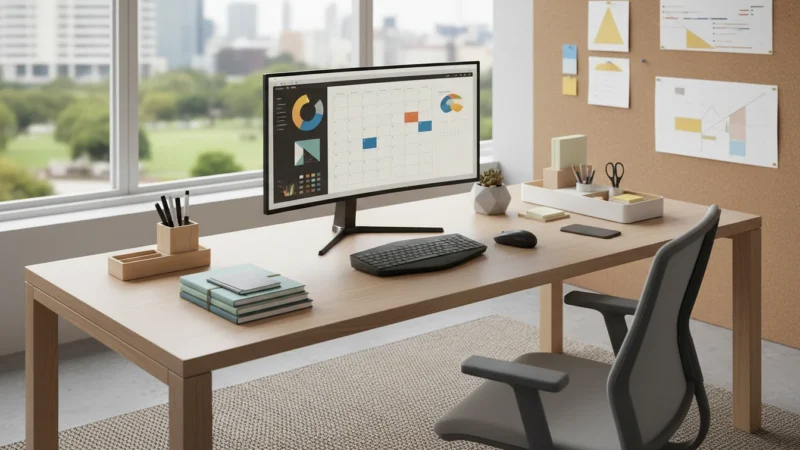
Your home office is your command center, a space designed to foster concentration and efficiency. Clutter here directly impacts your focus and productivity. A well-organized office, whether a dedicated room or a corner of your living room, facilitates deep work and reduces mental load. Allow 2-4 hours for this comprehensive declutter.

The “Desktop Zero” Approach
Embrace the “desktop zero” philosophy for both your physical and digital workspace. At the end of each workday, clear your physical desk surface, putting away pens, notebooks, and documents. For your computer, close unnecessary tabs and files, and move downloaded items to their proper folders. This creates a fresh start each morning, free from yesterday’s unfinished business.

Digital File Management
Digital clutter often goes unnoticed but can be just as detrimental as physical clutter. Dedicate a specific time block, perhaps 30 minutes weekly, to organize your computer files. Create a clear, hierarchical folder structure for documents, projects, and personal files. Use consistent naming conventions to make files easily searchable. Regularly empty your digital recycling bin and delete unnecessary duplicates.
Ergonomics and Essential Tools
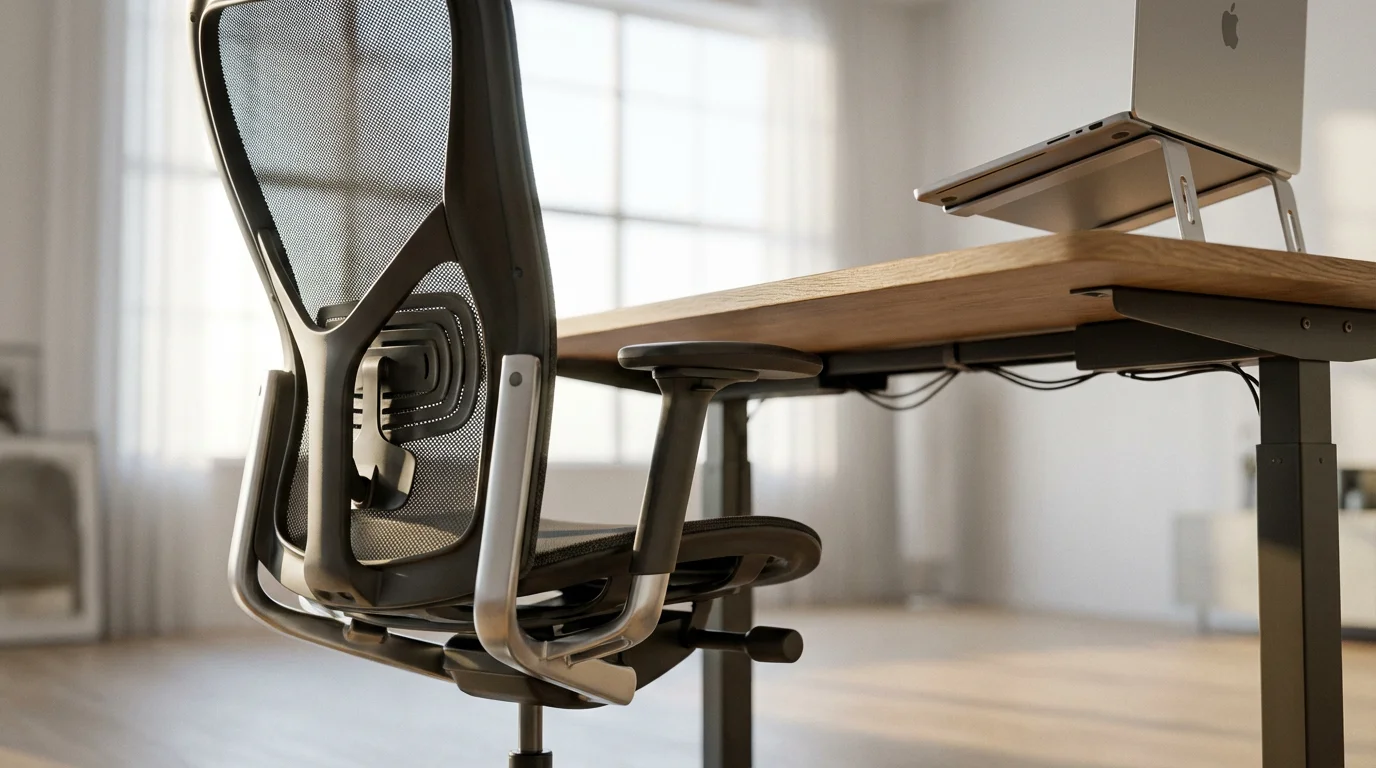
Beyond decluttering, optimize your office for comfort and efficiency. Ensure your chair and desk are ergonomically set up to prevent strain. Keep only essential tools within arm’s reach: a pen, a notebook, your primary work device. Store less frequently used items in drawers or on shelves. Every item on your desk should have a purpose.

Paper Management Systems
Paper is a common culprit for office clutter. Implement a “touch it once” rule: when a piece of paper enters your office, immediately decide its fate. Can you file it, scan it and shred the original, or discard it? Create a simple filing system, perhaps using color-coded folders for different categories like “Bills,” “Taxes,” “Projects,” and “Reference.” Regularly review your physical files to remove outdated documents.
Common Pitfall: The “Save Everything” Mentality
Many professionals fall into the trap of saving every digital document or physical paper “just in case.” This leads to overwhelming archives. Instead, ask yourself: “Is this easily replaceable?”, “Do I legally need to keep this?”, or “Will I genuinely refer to this again in the next year?”. Be ruthless in your decision-making. Digital storage is cheap, but digital retrieval of unnecessary items costs you time and mental energy.
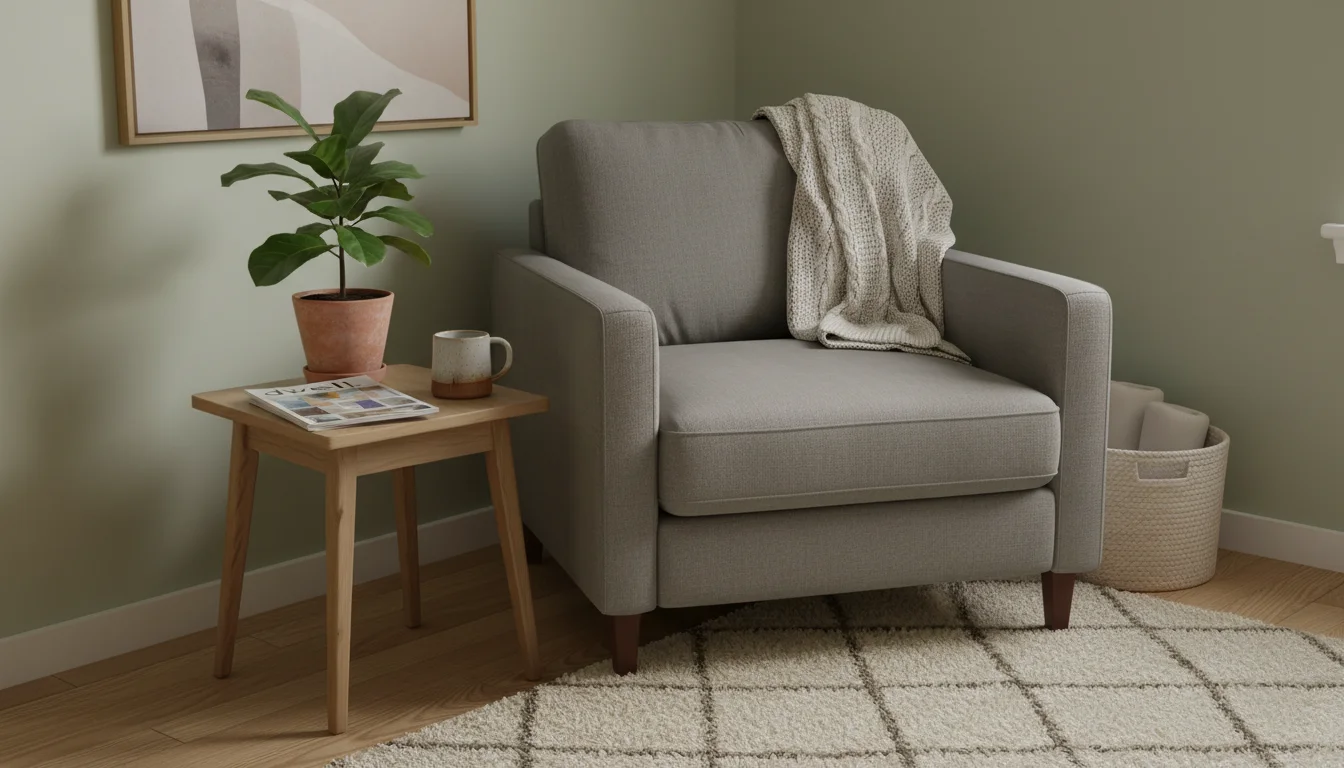
Streamlining the Living Room and Common Areas
Living rooms and common areas serve multiple functions, from relaxation to entertaining, making them prone to accumulating various items. The goal here is to create inviting, comfortable spaces that are easy to maintain and navigate. Allot 2-3 hours to address these high-traffic zones.
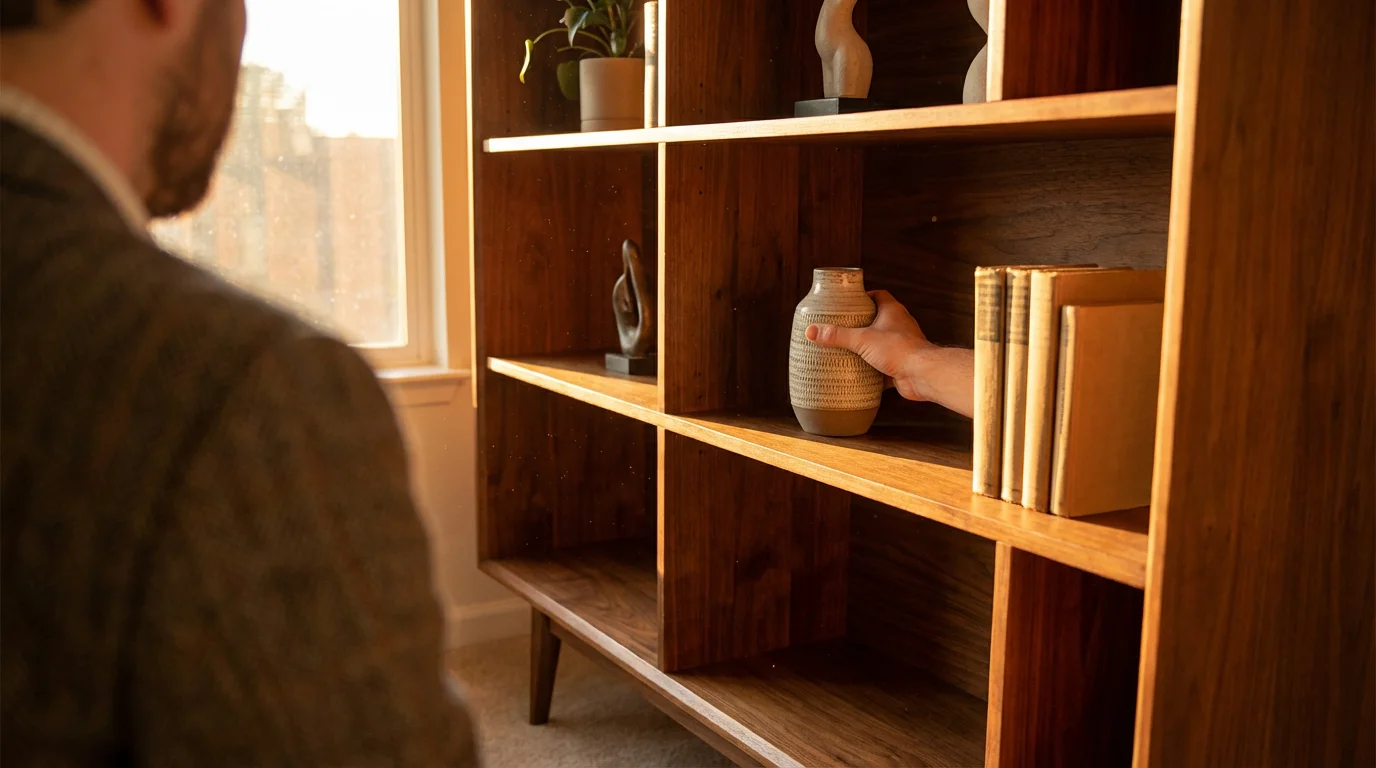
Decluttering Entertainment Centers and Bookcases
Start by tackling media collections. Evaluate DVDs, CDs, and video games. Are you still using physical media, or have you shifted to streaming? Consolidate what you keep and donate or sell the rest. For bookcases, remove books you have read and do not intend to reread, or books that do not align with your current interests. Arrange remaining books aesthetically, perhaps by color or size, to create visual order.
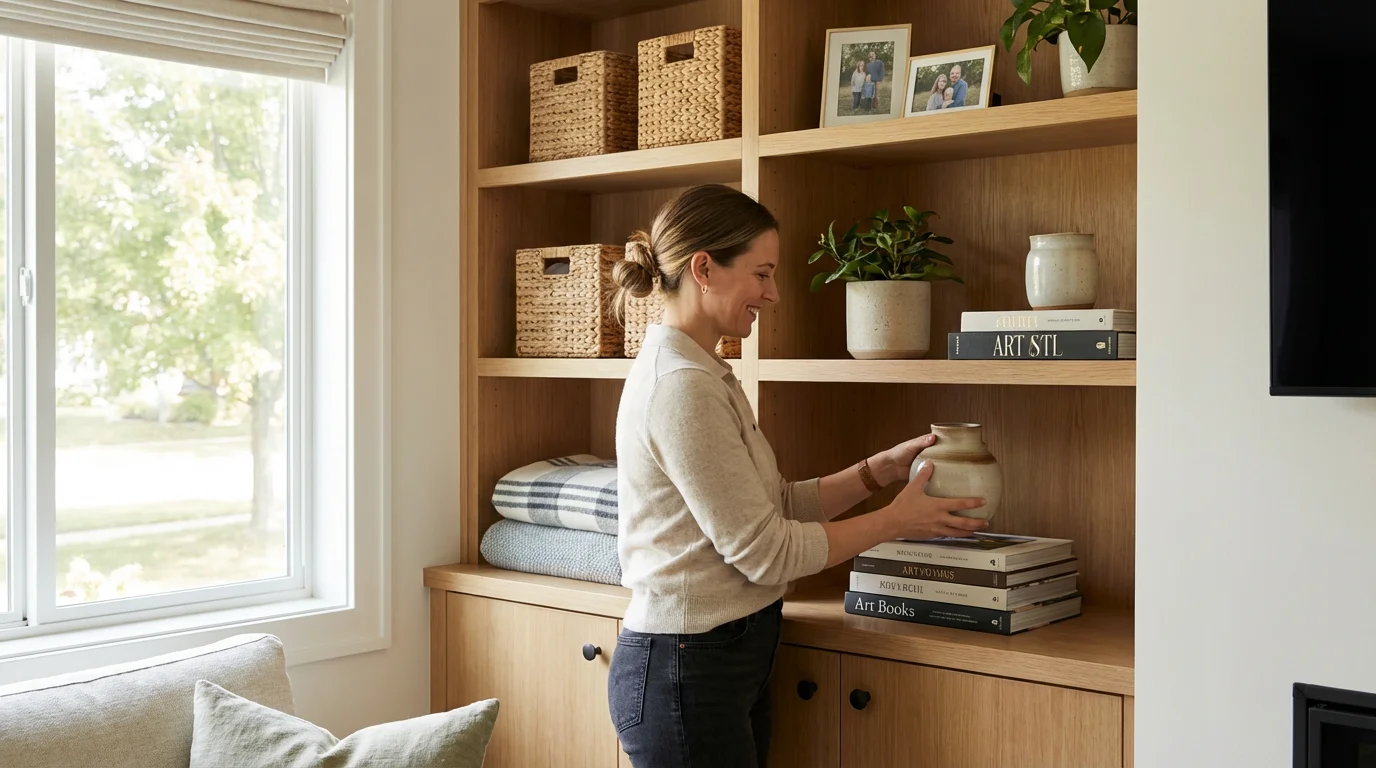
Managing Decor and Personal Items
While personal touches make a house a home, too many decorative items contribute to clutter. Practice intentional curation. Group smaller decorative items on trays or within display cases. Rotate decor seasonally rather than keeping everything out year-round. This reduces visual noise and makes cleaning easier. Ensure that every item on display genuinely brings you joy or serves a purpose.
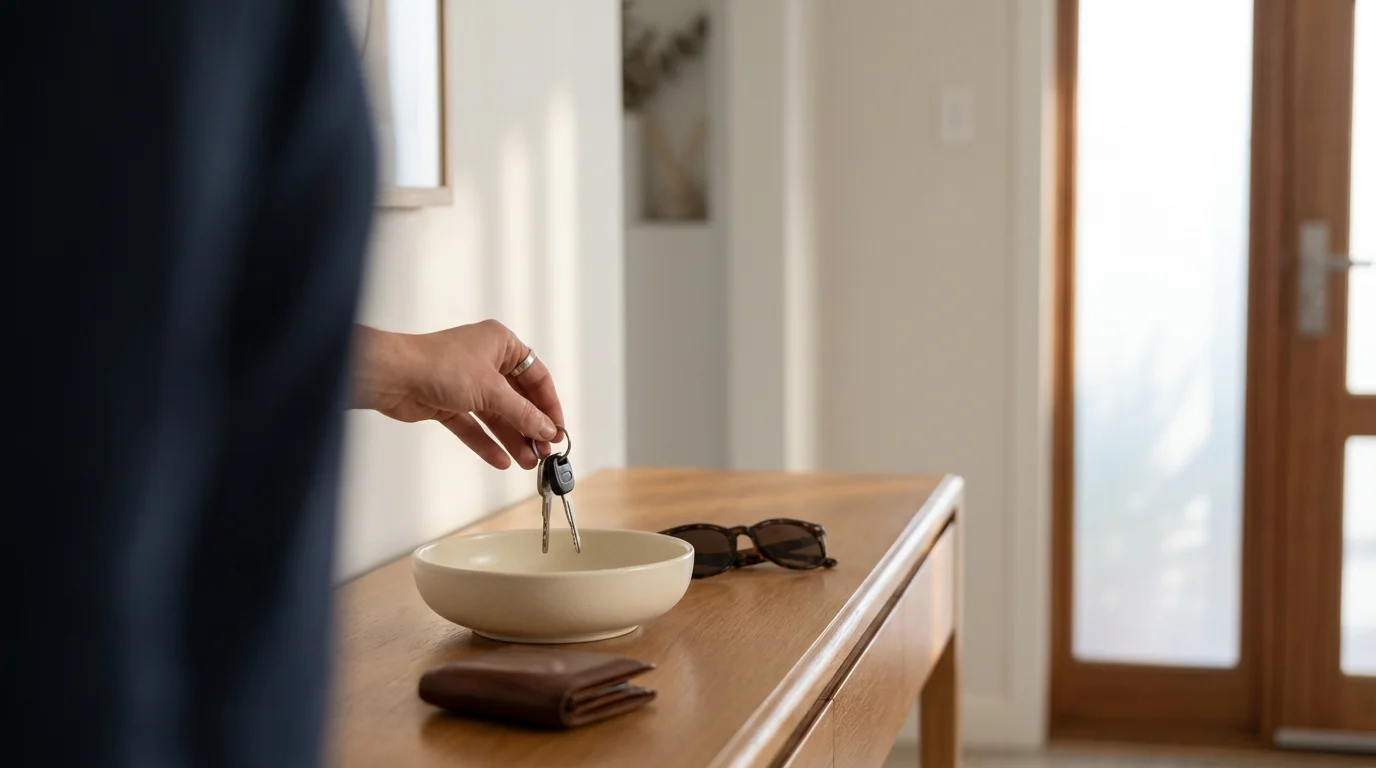
Creating “Landing Zones” for Daily Items
Establish clear “landing zones” for items that typically accumulate in common areas. For example, a decorative bowl or tray near the entrance for keys and wallets, or a stylish bin for throws and pillows. The key is to have a designated home for these transient items to prevent them from spreading across surfaces. Educate family members on using these zones consistently.
Mini-Example: Taming the Coffee Table
Your coffee table often collects magazines, remote controls, and various small trinkets. Dedicate 15 minutes. Remove everything. Discard old magazines or file current ones. Consolidate all remotes into a single remote caddy. Group any decorative items on a small tray. Ensure the tabletop is easy to wipe clean. This small effort immediately enhances the room’s overall tidiness and functionality.
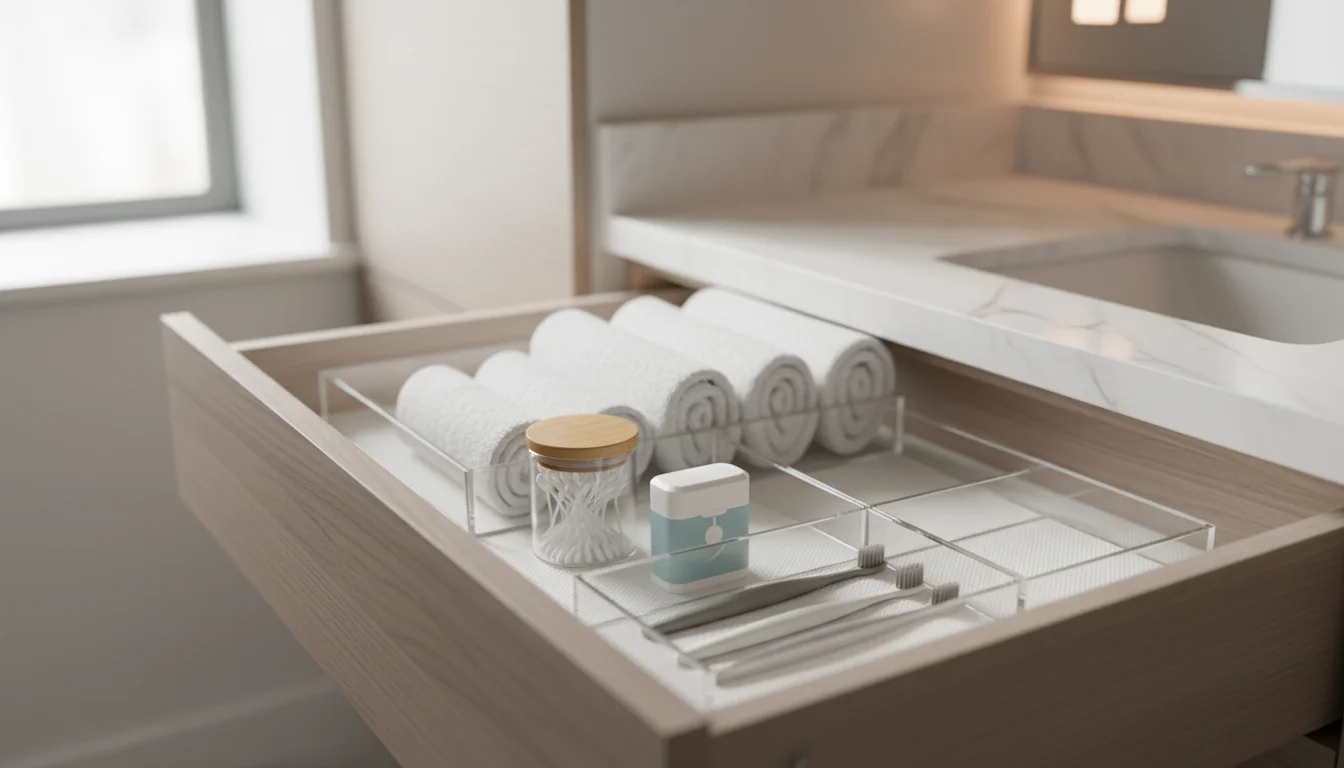
Bathroom and Utility Spaces: Functional Cleanliness
Bathrooms and utility areas, though often small, hold a surprising amount of clutter, from old toiletries to forgotten cleaning supplies. Organizing these spaces enhances daily routines and improves hygiene. Plan 1-2 hours for these smaller, but impactful, zones.
Utilizing specialized smart storage solutions can maximize the limited footprint of these essential utility areas.
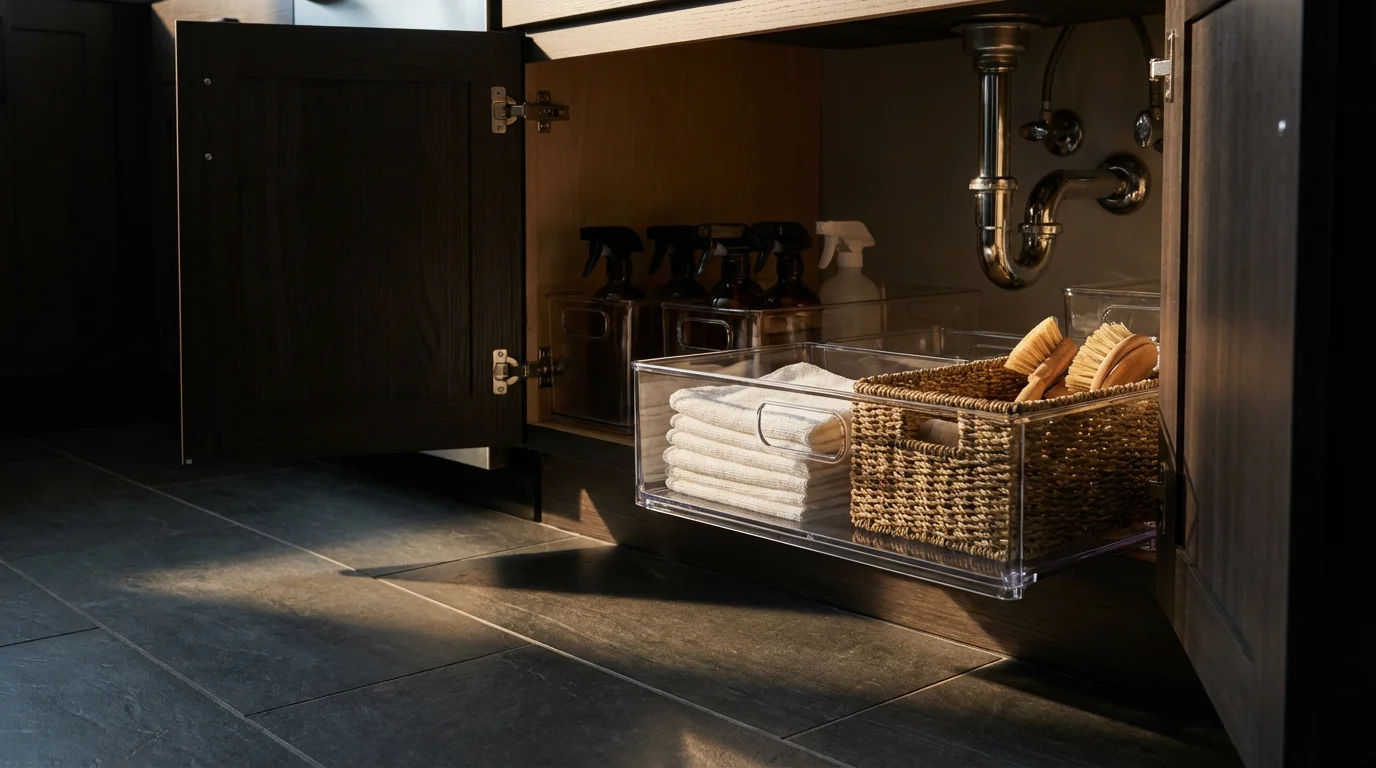
Under-Sink Organization
This space quickly becomes a jumble of cleaning products, spare toiletries, and hair tools. Empty everything out. Discard nearly empty bottles, expired products, and anything you no longer use. Use clear stackable bins or pull-out drawers to categorize items: hair care, skin care, cleaning supplies. This maximizes vertical space and keeps everything accessible.
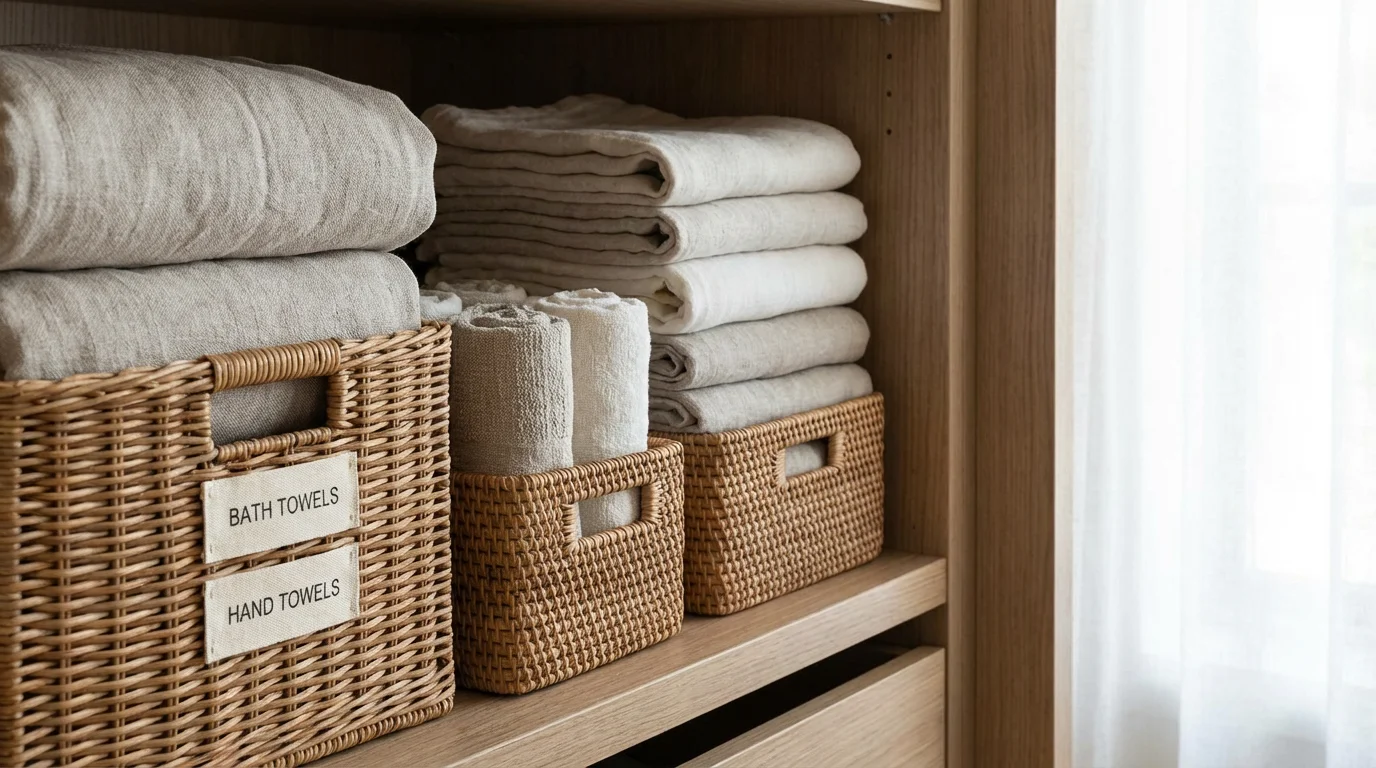
Linen Closet Strategies
An organized linen closet saves time and frustration. Fold sheets and towels consistently, perhaps using the KonMari method for vertical storage. Group items by type: bath towels, hand towels, sheets by bed size. Consider adding shelf dividers to keep stacks neat. Remove any linens that are worn, stained, or no longer used.

Managing Cleaning Supplies
Consolidate cleaning supplies. Do you have multiple bottles of the same cleaner? Keep a caddy with daily-use items for easy transport between rooms. Store bulk or less frequently used items in a dedicated utility cupboard or a high shelf, away from children and pets. Ensure all bottles are clearly labeled if you transfer liquids to reusable containers.

Medicine Cabinet Review
The medicine cabinet requires regular attention. Check expiration dates on all medications, both prescription and over-the-counter. Safely dispose of expired or unused medications according to local guidelines, not by flushing them. Consolidate first-aid supplies into a single, clearly labeled kit. Keep only essentials in the immediate cabinet, storing backups or less-used items elsewhere.
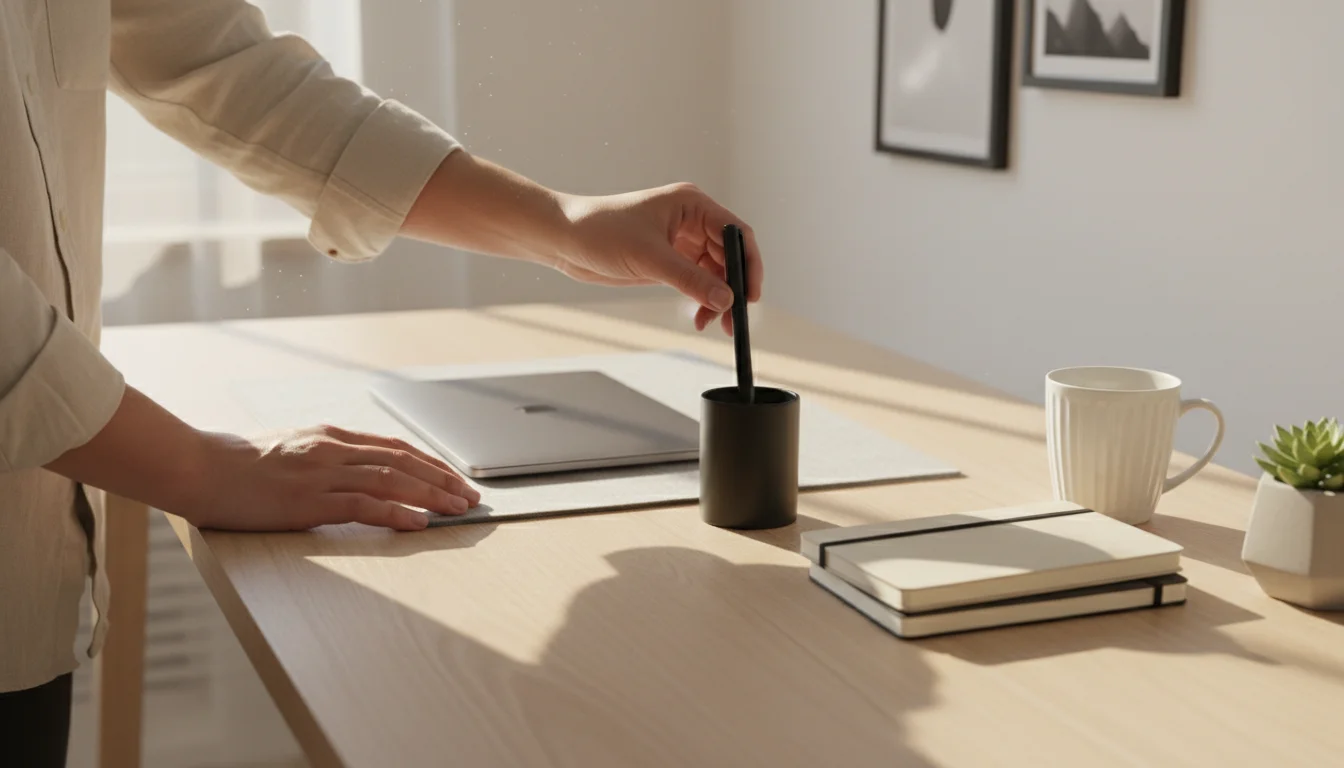
Maintaining Your Organized Living: Routines for Long-Term Success
Decluttering is a significant first step, but the true power of organized living lies in consistent maintenance. Establishing simple, sustainable routines prevents clutter from creeping back in. Think of it as habit-building, where small, regular actions yield significant long-term results.
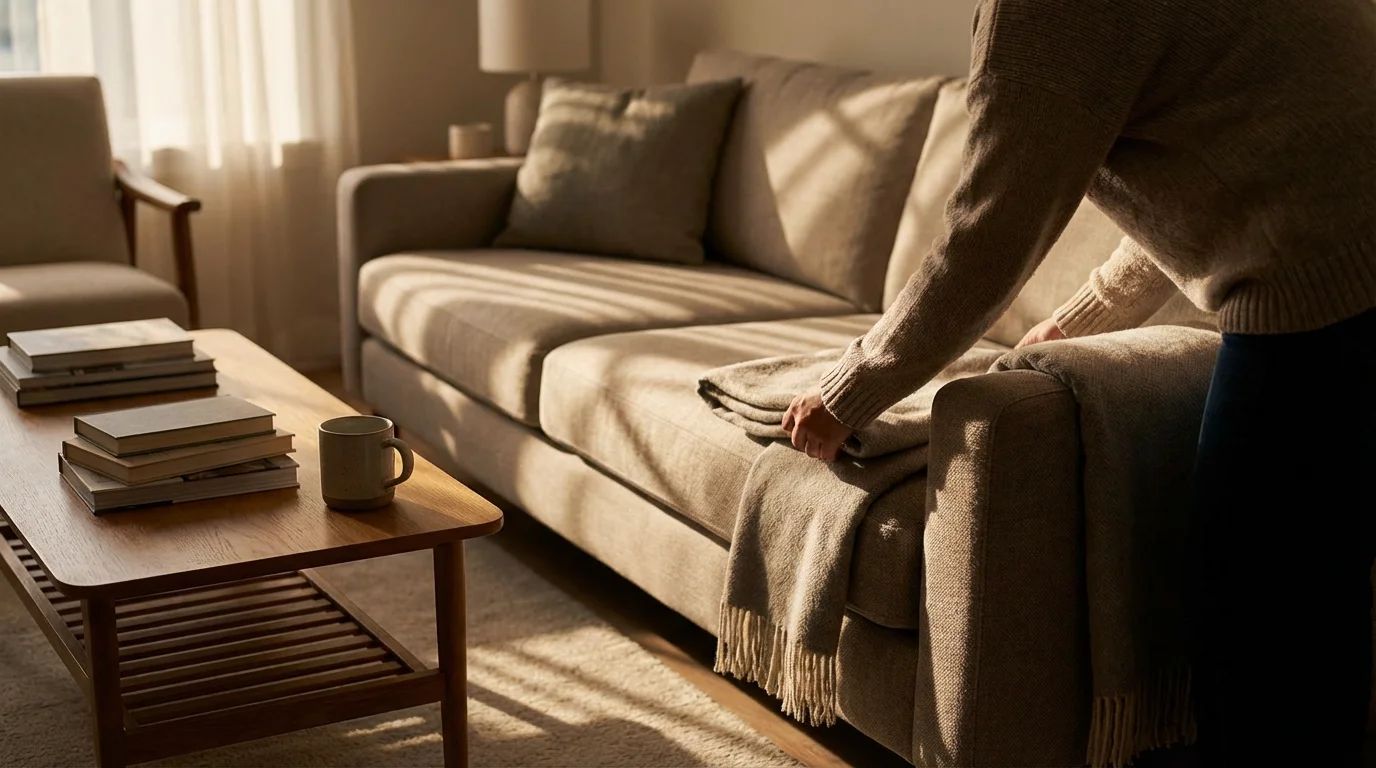
Daily Tidy-Up Habits (10-15 minutes)
Implement a “reset routine” at the end of each day. This involves putting away items you used, returning things to their designated homes, and clearing surfaces. For example, after dinner, spend 5 minutes putting away dishes and wiping counters. Before bed, spend 5 minutes picking up stray items in the living room and returning them. These micro-actions prevent accumulation.
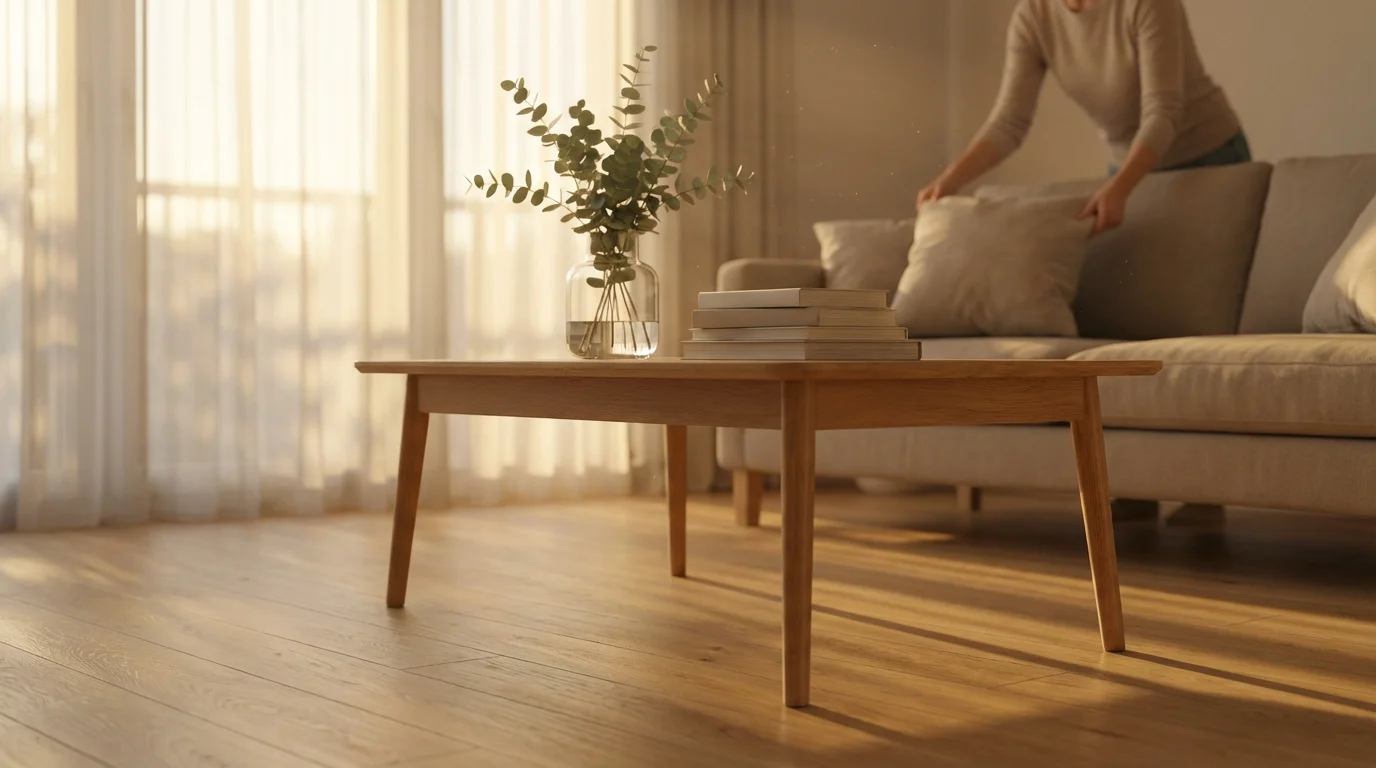
Weekly Reset Routines (1-2 hours)
Designate a block of time, perhaps on a weekend, for a deeper reset. This might include:
- Reviewing mail and processing papers.
- Wiping down frequently used surfaces.
- Sorting through a “catch-all” drawer or basket.
- Planning meals and creating a grocery list based on pantry inventory.
- Quickly organizing your digital desktop and inbox.
This weekly effort keeps larger projects manageable.
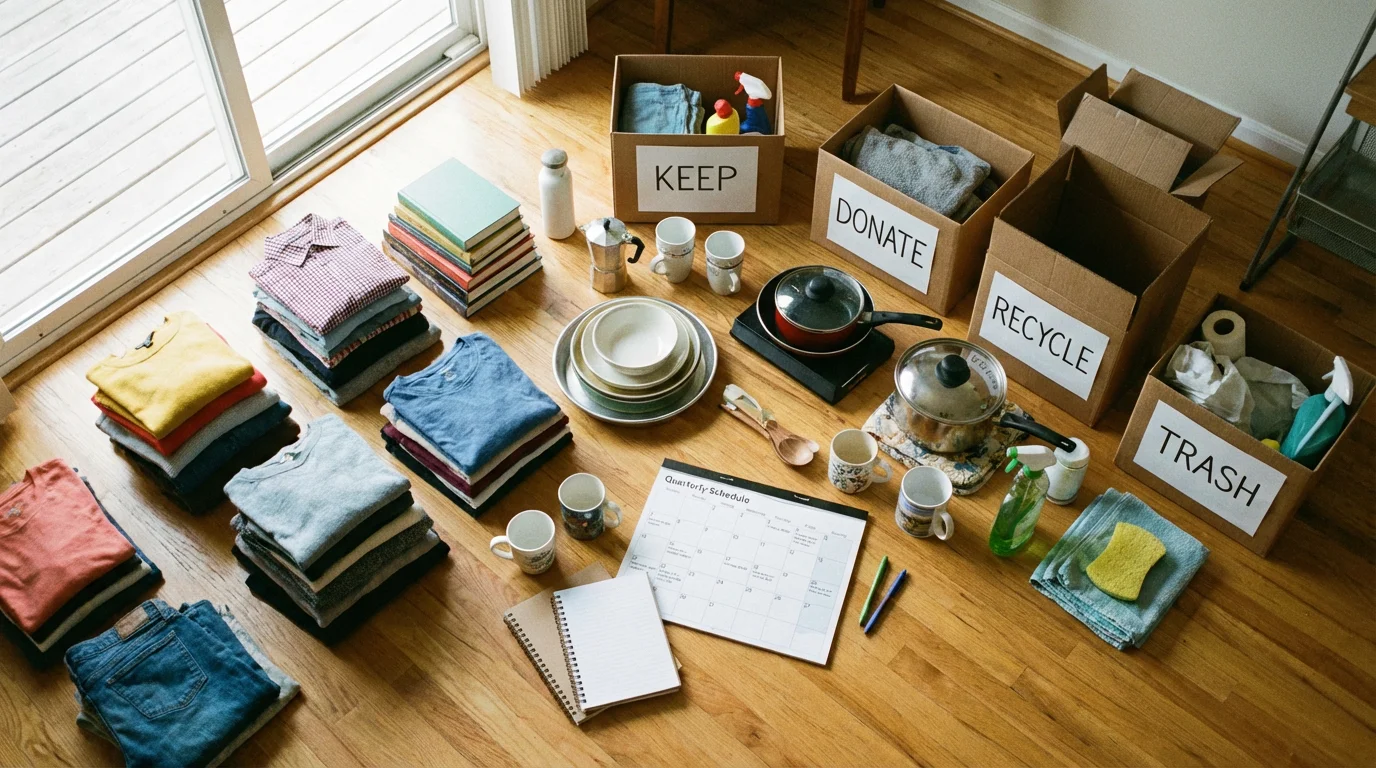
Seasonal Deep Decluttering (2-4 hours, quarterly)
Every three months, perform a more thorough declutter. This is an opportunity to:
- Review clothing for seasonal changes and donate unused items.
- Assess holiday decorations and storage solutions.
- Go through books, media, or hobbies that might have accumulated.
- Tackle a ‘problem area’ that tends to get messy.
This proactive approach ensures that your organized systems remain effective and prevents significant re-cluttering.
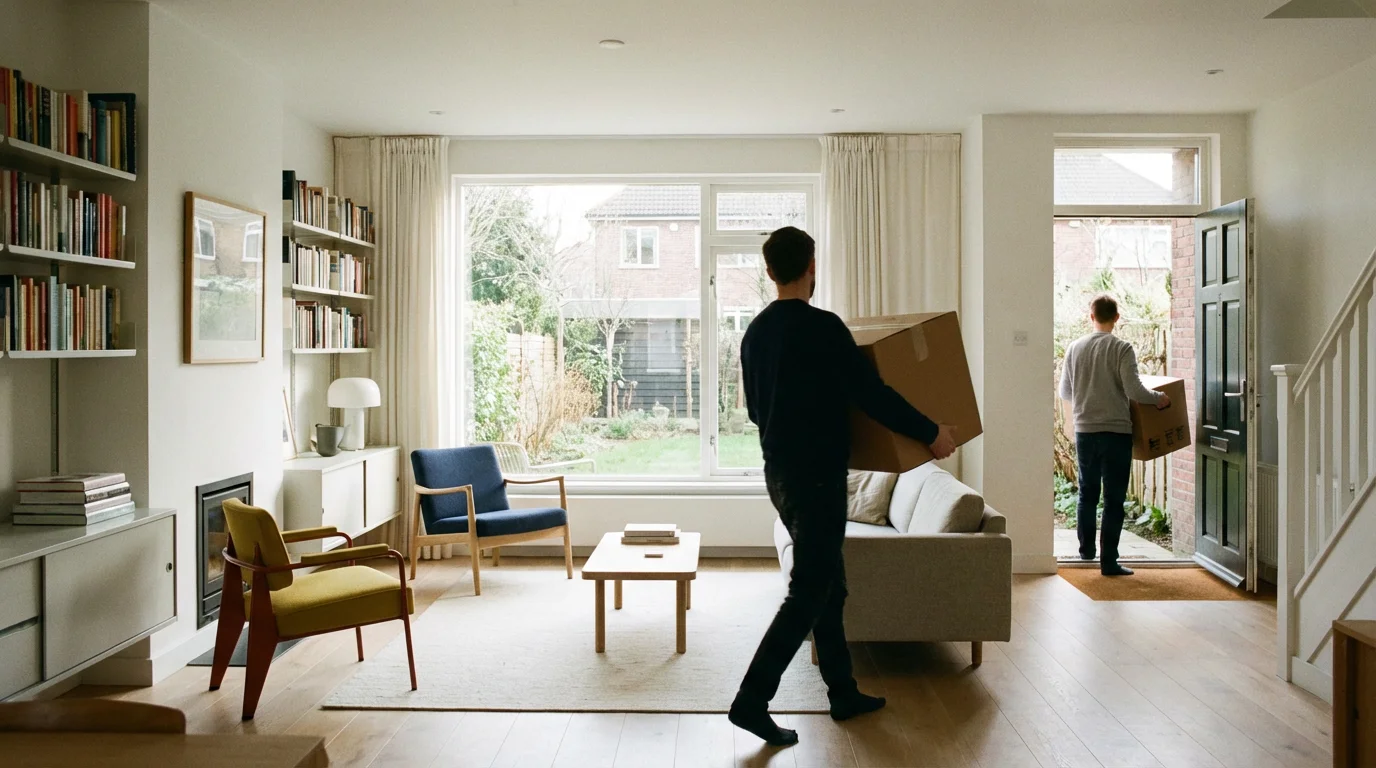
Dealing with New Acquisitions: The “One-In, One-Out” Rule Revisited
Reinforce the “one-in, one-out” rule whenever you bring new items into your home. If you buy a new shirt, donate an old one. If you purchase a new kitchen gadget, evaluate whether an existing one can be repurposed or discarded. This constant vigilance is critical for preventing over-accumulation and maintaining balance in your organized spaces. It requires mindfulness but becomes second nature with practice.
Frequently Asked Questions
What is the biggest mistake people make when decluttering?
The biggest mistake is trying to do too much at once. When you attempt to declutter an entire room or house in a single day, you often become overwhelmed, stop halfway, and end up with more mess than you started with. Instead, break down the task into small, manageable chunks, like one drawer or one shelf at a time, to build momentum.
How do I start if I feel completely overwhelmed by clutter?
Begin with the easiest, most impactful area first. This could be your bedside table, a single kitchen drawer, or even just clearing your desktop. The quick win provides motivation and demonstrates that progress is possible. Set a timer for just 15 minutes, focus intently, and stop when it rings. Repeat this small effort consistently.
What do I do with sentimental items I find hard to let go of?
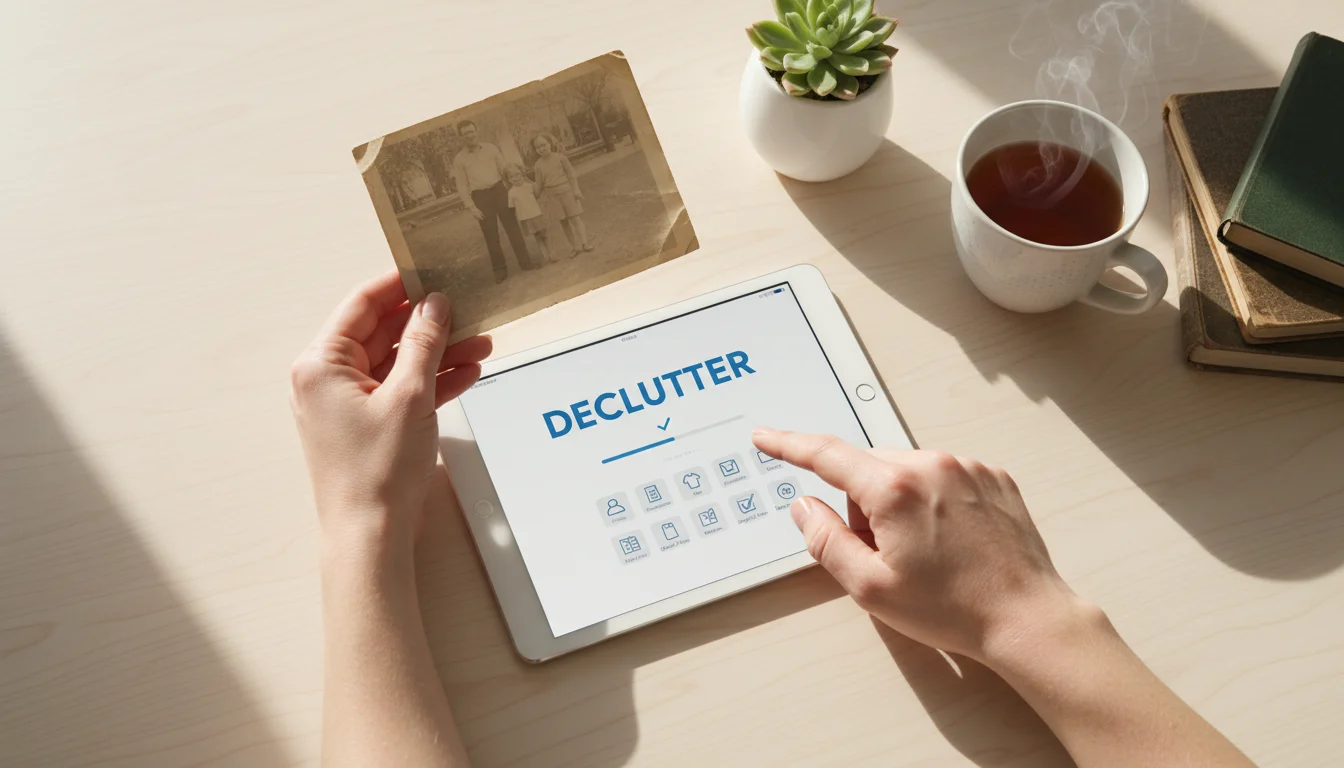
Sentimental items are often the hardest. Designate a specific, contained space, such as a memory box or a special drawer, for these items. Only keep what truly fits in that designated space. Consider taking photos of items you decide to let go of, creating a digital memory album that takes up no physical space.
How can I get my family on board with decluttering and organizing?
Involve them in the process by making it collaborative, not a directive. Focus on the benefits for everyone, such as finding things faster or having more space for shared activities. Start with common areas and model the behavior. Assign clear, age-appropriate responsibilities and celebrate small victories as a family.
How often should I declutter? Is it a one-time thing?
Decluttering is an ongoing process, not a one-time event. While a major initial decluttering session is crucial, maintaining an organized home requires consistent effort. Implement daily tidy-up routines, weekly resets, and seasonal deep-decluttering sessions to ensure clutter does not accumulate again. Think of it as part of your home maintenance.
What if I don’t have enough storage space?
The common misconception is that more storage solves clutter. Often, the issue is too many items, not insufficient storage. Before buying storage solutions, ruthlessly declutter. Once you have only what you truly need and use, then evaluate if you require smarter storage. Vertical storage, drawer organizers, and multi-functional furniture can maximize existing space without adding more “stuff.”
Disclaimer: This article provides general information and guidance for personal organization and productivity. It is not intended as a substitute for professional advice in areas such as mental health, financial planning, or specific home maintenance. When facing significant challenges, consult with appropriate professionals.
For a more comprehensive tech cleanup, you can apply the KonMari method for your digital life to clear out years of digital debris.






Leave a Reply