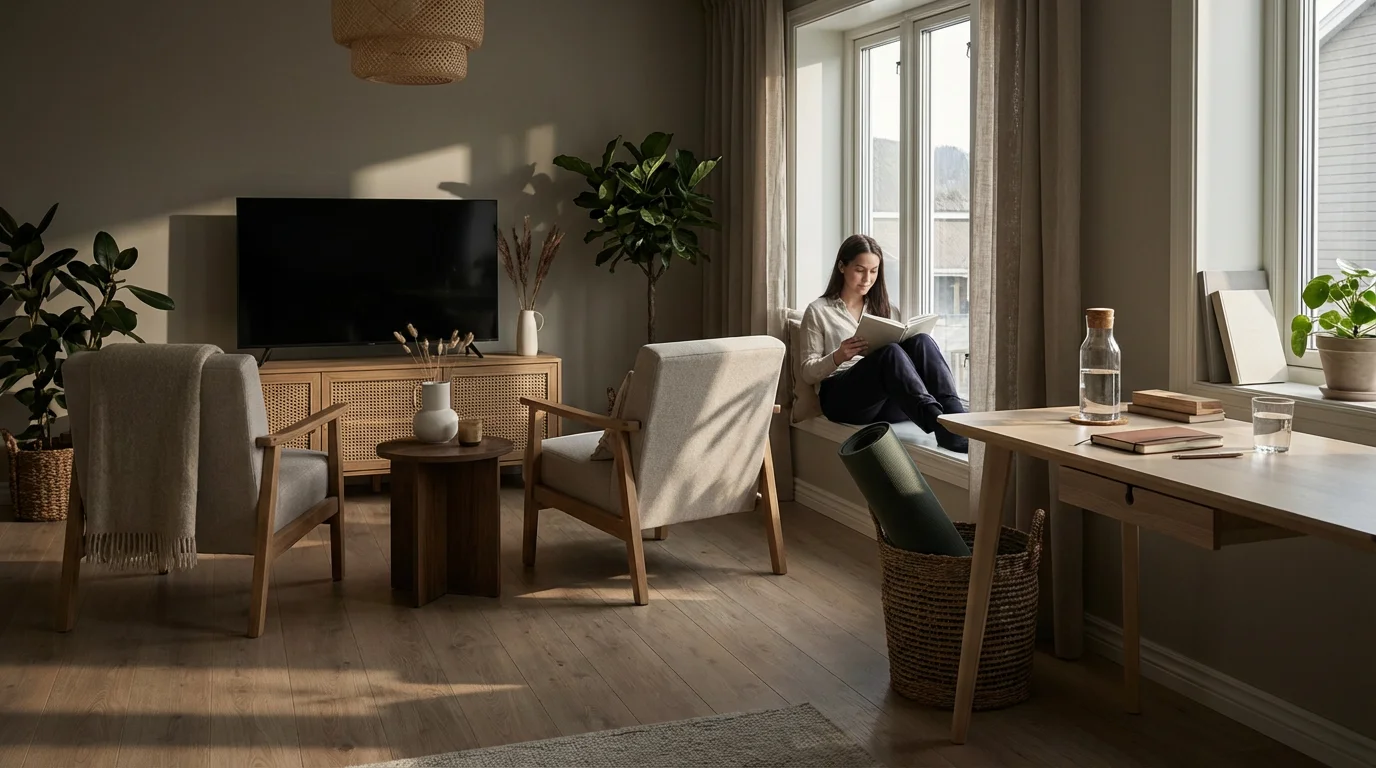
Your environment acts as a silent architect, subtly shaping your daily actions, decisions, and habits. You might believe your habits stem solely from willpower, yet the world around you plays a far more significant role than you realize. From the layout of your kitchen to the apps on your phone, every element of your space provides cues that either support or hinder the behaviors you wish to cultivate.
Designing your environment intentionally offers a powerful pathway to automatic habit success. You can engineer your surroundings to make desirable actions effortless and undesirable ones more challenging. This guide reveals how to transform your physical and digital spaces into powerful allies for achieving your goals, fostering focus, and living a more organized, productive life.

Understanding the Power of Environmental Cues
Environmental cues are signals in your surroundings that trigger specific behaviors. These cues exist everywhere: a water bottle on your desk signals you to hydrate, your gym bag by the door prompts you to exercise, or a cluttered workspace signals overwhelm. Your brain constantly processes these subtle prompts, often initiating actions without conscious thought.
Recognizing these cues is the first step in leveraging your environment for habit formation. When you understand what triggers your current behaviors, good and bad, you gain the power to reshape those triggers. This proactive approach moves you beyond relying solely on willpower, which is a finite resource, towards building systems that support your goals automatically.

The Science Behind Environment and Behavior
Research in behavioral psychology consistently demonstrates a strong link between our environments and our actions. Our brains are wired for efficiency, always seeking the path of least resistance. When an environment makes a behavior easy, obvious, and attractive, you are significantly more likely to perform that behavior.
Consider the concept of choice architecture, which shows how presenting options in certain ways can influence decisions. For instance, placing healthy food at eye level in a cafeteria encourages healthier choices. This principle applies directly to your personal space. You design your own choice architecture when you arrange your home or office to promote desired habits.
“To create a new habit, design your environment to make the cue obvious and the action easy.” โ Behavior Design Principle
Studies confirm that visual cues are particularly potent. Seeing something directly impacts your immediate urge to act on it. If your running shoes are visible, you are more likely to go for a run. If your phone is out of reach, you are less likely to get distracted by notifications. You are not fighting against your environment; you are enlisting it as an ally.

Phase One: Declutter and Simplify Your Spaces
Before you can intentionally design your environment for specific habits, you must remove the visual noise and unnecessary distractions. A cluttered space creates mental clutter, making it harder to focus and initiate new behaviors. Simplification is not just about tidiness; it is about creating clarity and reducing decision fatigue.
Begin by systematically decluttering the areas most critical to your daily routines. This involves removing items that do not serve a purpose, do not bring you joy, or directly hinder your productivity. A clear surface translates to a clear mind, paving the way for intentional habit design.

Practical Steps for Decluttering:
- Identify High-Impact Zones: Focus on areas where you spend the most time or where you wish to build a new habit. Your desk, nightstand, kitchen counter, and entryway are common starting points.
- Remove Distractions: Clear away items that trigger unwanted behaviors. For example, if you snack excessively, remove tempting foods from your immediate line of sight in the kitchen or office.
- Organize Remaining Items: Assign a specific home for every item. This reduces the cognitive load of searching for things and simplifies putting them away. Use bins, drawers, and shelving to keep surfaces clear.
- One In, One Out Rule: Adopt a practice where for every new item you bring into your space, you remove an existing item. This prevents clutter from accumulating again.
Spending even 15-20 minutes decluttering a specific zone can yield immediate benefits. You will notice a reduction in stress and an increase in mental clarity, creating a fertile ground for new habit formation.

Phase Two: Make Desired Habits Obvious and Accessible
Once your space is simplified, you can strategically place cues for the habits you want to build. This involves making the tools and triggers for your desired behaviors so visible and easy to access that you cannot ignore them. The goal is to reduce the friction associated with starting a new habit.
Consider the “two-minute rule” which suggests that if an activity takes less than two minutes, you should do it immediately. By making your desired habit accessible, you reduce the perceived effort to start, effectively applying this rule to your environment.

Strategies for Making Habits Obvious:
- Visual Prompts: Place objects related to your desired habit in plain sight.
- Example: Keep a book on your pillow to encourage reading before bed.
- Example: Set out your gym clothes the night before, placing them where you will see them immediately upon waking.
- “Pre-loading” Your Environment: Prepare your surroundings in advance to make the habit effortless.
- Example: Fill your water bottle and put it on your desk each evening for morning hydration.
- Example: Lay out your ingredients for breakfast on the counter before you go to sleep.
- Designated Habit Zones: Create specific areas in your home or office dedicated to certain activities.
- Example: A quiet corner with a comfortable chair and good lighting for meditation or journaling.
- Example: A clear desk space specifically for focused work, free from other projects.
- Proximity Placement: Ensure the tools for your habit are within arm’s reach. The less effort required to start, the more likely you are to follow through.
This phase is about actively engineering your environment to serve as a constant reminder and facilitator for your desired actions. You are not just organizing; you are programming your space for success.

Phase Three: Designing Friction Out of Undesirable Habits
Just as you make good habits easy and obvious, you can make bad habits difficult and invisible. This inverse strategy involves increasing the effort required to engage in unwanted behaviors, creating friction that discourages you from acting on them. Every additional step you introduce between yourself and an undesirable habit acts as a deterrent.
This approach leverages your brain’s preference for ease. If a bad habit requires more effort than you are willing to expend, you are less likely to perform it. You are essentially creating a barrier to entry for your less productive behaviors.

Techniques for Increasing Friction:
- Out of Sight, Out of Mind: Conceal triggers for unwanted habits.
- Example: Store unhealthy snacks in opaque containers in a high cupboard, rather than on the counter.
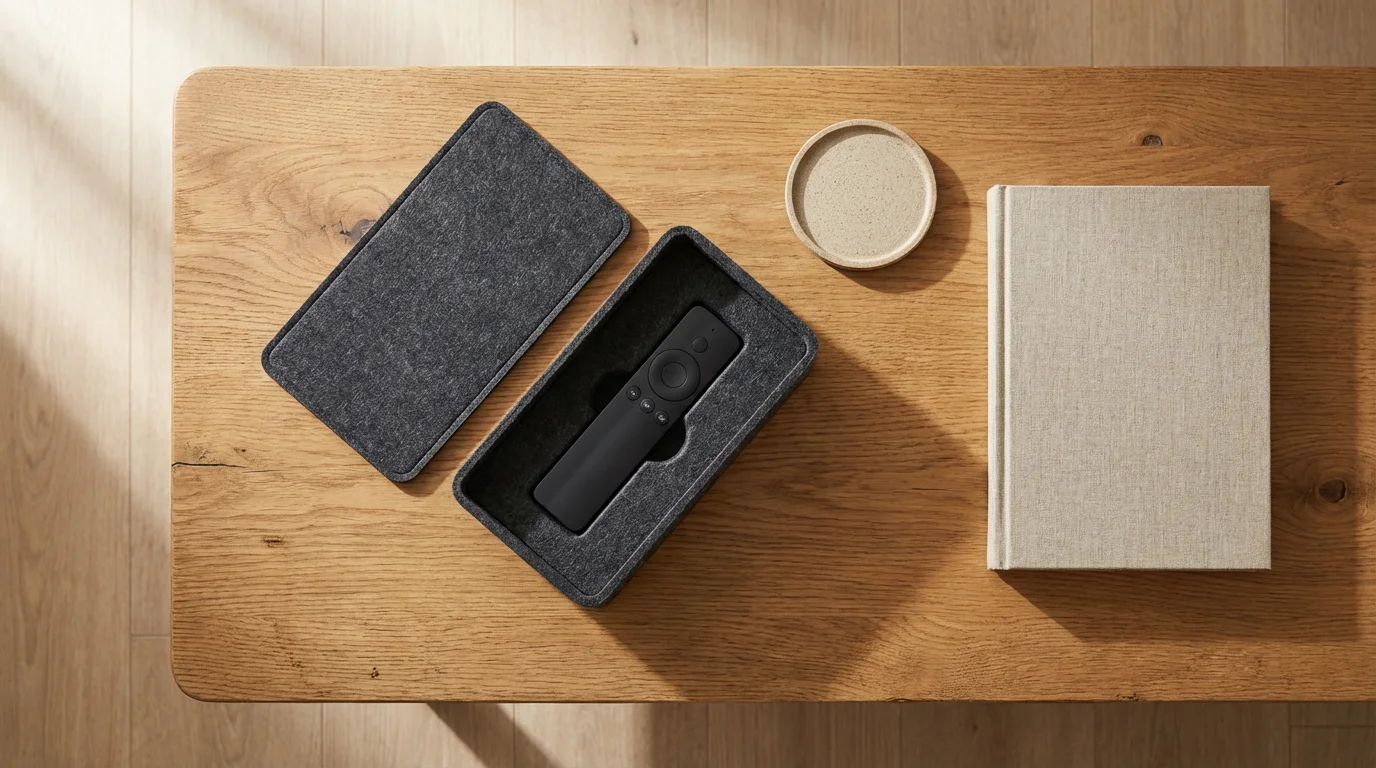
- Example: Place your gaming console or remote control in a drawer or cabinet after each use.
- Increase Physical Distance: Physically separate yourself from temptations.
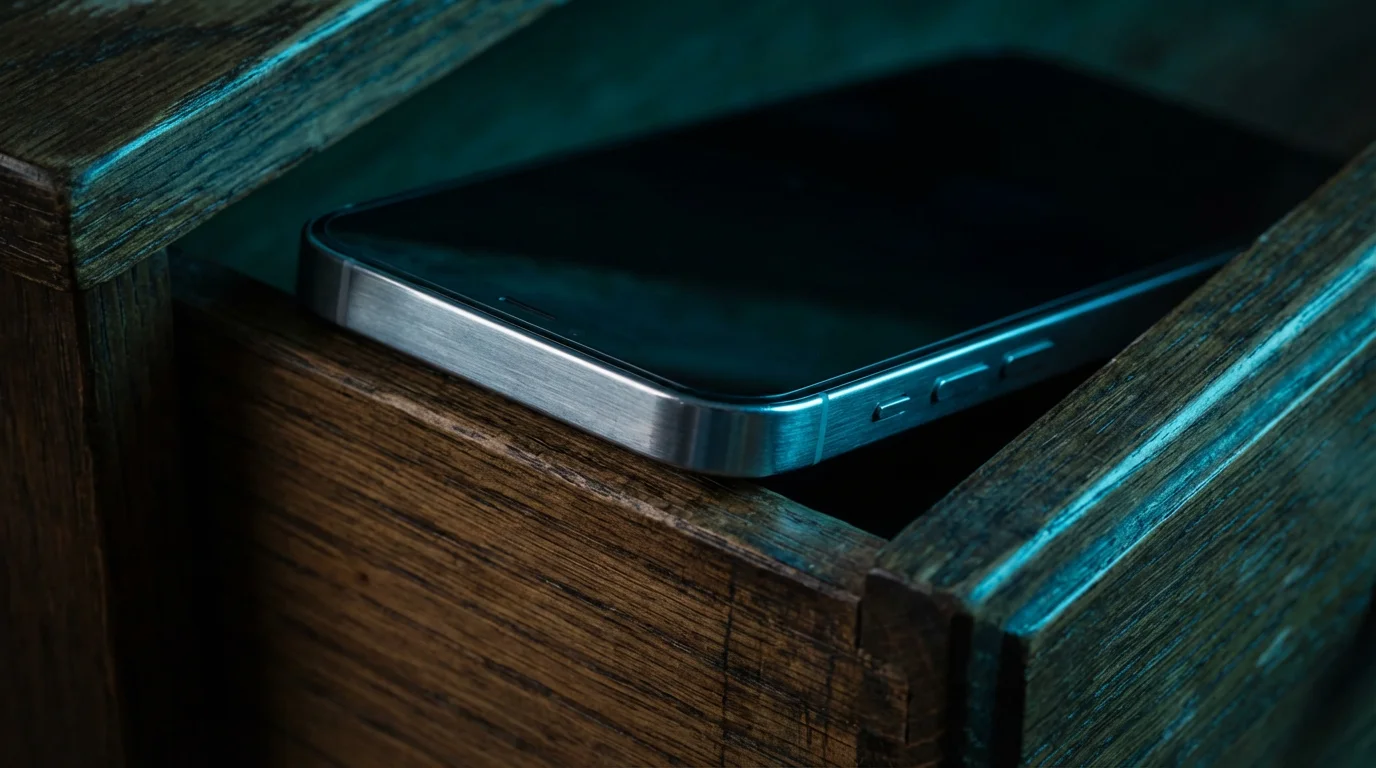
- Example: Keep your phone in another room while you work or read.
- Example: If you are prone to buying takeout, put your wallet or car keys in a less accessible spot.
- Introduce Physical Barriers: Create a physical obstacle to the unwanted behavior.
- Example: Unplug your television after watching a show to make passively browsing channels more cumbersome.
- Example: Use a timer-locked box for your phone during deep work sessions.
- “Commitment Devices”: Use tools or agreements that make it harder to revert to old habits. While often digital, they can have environmental aspects.
- Example: If you struggle with overspending, leave your credit cards at home when running errands for specific items.
The key here is to make the undesirable action just inconvenient enough that your impulse fades before you complete the action. This shifts your default behavior towards more productive choices.

Optimizing Digital Environments for Focus
Your environment extends beyond physical spaces; your digital landscape profoundly impacts your productivity and habit formation. Constant notifications, cluttered desktops, and easily accessible distractions on your devices can derail your best intentions. Designing your digital environment requires the same intentionality as your physical one.
You can structure your digital world to minimize distractions and streamline workflows. This allows you to focus more deeply on tasks and prevents common digital pitfalls from becoming entrenched bad habits.

Digital Environment Design Principles:
- Notification Control: Turn off all non-essential notifications on your phone, tablet, and computer. Allow only critical communications to interrupt you.
- Streamlined Home Screens: Remove distracting apps from your phone’s home screen. Group essential apps into folders or move them to secondary screens. Consider a minimalist black and white screen setting to reduce visual appeal.
- Curated Digital Workspace: Organize your computer desktop with minimal icons. Use a structured folder system for files, making it easy to find what you need and preventing digital clutter.
- Time-Blocking Apps and Website Blockers: Employ tools that temporarily block access to distracting websites or apps during designated focus periods.
- Example: Use a browser extension that blocks social media sites for specific durations each day.
- Intentional App Placement: Place productive apps prominently and hide time-wasting apps within folders or on secondary screens. Make checking email or project management tools easy, while making mindless scrolling difficult.
An optimized digital environment reduces the constant pull of distraction, helping you cultivate habits of focused work and mindful engagement. You regain control over your attention, directing it towards your goals.

Adapting Environment Design for Different Work Contexts
Whether you work remotely, in a traditional office, or a hybrid model, the principles of environmental design remain crucial. However, the specific applications will vary. You must tailor your strategy to your unique circumstances and the degree of control you have over your physical space.
Acknowledging these different contexts helps you implement realistic and effective environmental habit strategies. Do not expect the same level of control or immediate results in every setting, but always look for opportunities to optimize.

Context-Specific Adaptations:
- Remote Work / Home Office:
- Dedicated Workspace: If possible, designate a specific area solely for work. This creates a strong environmental cue for focus.
- Boundary Setting: Physically or visually separate your workspace from leisure areas. This helps you “clock in” and “clock out” mentally.
- Ergonomics and Comfort: Invest in a comfortable chair and proper lighting. These contribute to sustained focus and prevent discomfort from becoming a distraction.
- Traditional Office Environment:
- Personalizing Your Desk: Organize your desk for efficiency. Keep essential tools within reach and reduce clutter.
- Noise Reduction: Use noise-canceling headphones to create a personal “focus bubble” if your office is open-plan.
- Strategic Storage: Keep personal items that might distract you in drawers or lockers, out of sight.
- Hybrid Work Model:
- Consistent Routines: Aim for consistency in your environmental setup, whether at home or in the office. If you have a specific setup for focus at home, try to replicate elements of it in your office space.
- Portable Habit Cues: Use items you can easily transport between locations. A specific water bottle, a small plant, or a notebook can serve as consistent cues.
- Freelancers / Mobile Workers:
- “Go Bag” for Productivity: Prepare a bag with all your essentials for focused work on the go (laptop, charger, headphones, specific notebook). This makes setting up a temporary workspace efficient.
- Scouting Productive Locations: Identify quiet cafes, libraries, or co-working spaces that minimize distractions and provide a good work atmosphere.
The goal is to exert as much influence as possible over your immediate surroundings, regardless of the broader context. You can always find ways to make your desired habits easier and your distractions harder.

Sustaining Your Designed Environment for Long-Term Habits
Environmental design for habits is not a one-time project; it is an ongoing process of refinement and adaptation. Life changes, new habits emerge, and old distractions resurface. To ensure long-term success, you must regularly review and adjust your environment.
Your initial design might not be perfect. The true power lies in your willingness to experiment, observe, and iterate. You are creating a living system that evolves with you and your goals.

Key Practices for Sustaining Environmental Design:
- Regular Reviews: Schedule a weekly or monthly check-in (e.g., 15 minutes every Sunday) to assess your environment. Ask yourself: “Does my space still support my current habits and goals?”
- Feedback Loop: Pay attention to where you struggle. If a habit is not sticking, identify the environmental factors contributing to the difficulty. Is the cue not obvious enough? Is there too much friction?
- Adapt to New Goals: As your priorities shift, modify your environment accordingly. If you start a new fitness routine, integrate new cues (e.g., resistance bands visible near your workout mat).
- Preventing “Habit Blindness”: Over time, you might become accustomed to your environment, and cues might lose their potency. Periodically refresh or slightly rearrange elements to make them “visible” again.
- Involve Others (if applicable): If you live or work with others, communicate your environmental design goals. Explain why you are making certain changes to garner their support and cooperation.
Maintaining a supportive environment requires a small but consistent investment of time. This investment pays dividends by reducing the mental effort required for daily decision-making and habit maintenance.

Common Challenges and Troubleshooting Your Space
Even with the best intentions, you will encounter challenges when designing your environment for habit success. It is important to approach these not as failures, but as opportunities for learning and adjustment. Common pitfalls include persistent clutter, a lack of control over your space, and unexpected distractions.
Understanding these challenges helps you proactively develop solutions and maintain momentum. Remember, experimentation is key; if one strategy does not work, try another.

Troubleshooting Tips:
- Persistent Clutter: If clutter reappears, reassess your organization system. Do items have a clear home? Are your storage solutions accessible? Sometimes you simply own too much; consider a deeper decluttering session.
- Limited Control Over Shared Spaces: In shared homes or offices, you may not have full autonomy. Focus on what you *can* control: your immediate personal workspace, your digital environment, and your personal items. Communicate respectfully with others about your needs.
- Ignoring Cues: If you find yourself bypassing your carefully placed cues, the habit might not be clear enough, or the friction for the bad habit is too low. Make the good cue even more prominent, or add another layer of difficulty to the unwanted behavior.
- Overwhelm from Too Many Changes: Do not try to redesign everything at once. Start with one high-impact area or one key habit. Gradually expand your efforts once you see success.
- Motivation Dips: Environmental design reduces reliance on motivation, but it does not eliminate it entirely. On low-motivation days, revisit why the habit is important to you. Sometimes, simply getting started, even for a few minutes, is enough for the environment to take over.
- Unforeseen Distractions: Life happens. New projects, family demands, or unexpected events can disrupt your designed environment. Be flexible. When disrupted, reset your space as soon as possible. The faster you restore your designed environment, the quicker you return to your desired habits.
Your environment is a powerful tool, but it is not magic. It works best when combined with mindful attention and a willingness to adapt your strategies as needed. You are the architect of your habits, and your space is your blueprint.
Frequently Asked Questions
How quickly can I expect to see results from environmental design?
You can often experience immediate shifts in behavior from environmental design. Making a desired habit obvious or an undesired one invisible often yields results within days. Consistency in maintaining your designed environment strengthens these new patterns over weeks.
Is environmental design useful for all types of habits?
Environmental design is highly effective for a wide range of habits, particularly those involving physical actions or routine tasks. While it directly impacts external behaviors, it can also indirectly support mental habits by creating a space conducive to focus, mindfulness, or learning.
What if I have a very small space? Can I still apply these principles?
Absolutely. The principles of environmental design apply regardless of space size. In small spaces, intentionality becomes even more critical. Focus on maximizing vertical space, using multi-functional furniture, and being ruthless about decluttering. Every item you keep should have a purpose and a designated home.
How do I get my family or roommates on board with my environmental changes?
Start by communicating your goals clearly and explaining the benefits for you and potentially for shared spaces. Involve them in decisions where appropriate, especially for common areas. Lead by example, and focus on your personal zones first. Respect their boundaries while advocating for your own needs.
Should I completely remove all temptations from my environment?
Complete removal of all temptations might not be realistic or sustainable for every person. The goal is to introduce enough friction to make unwanted behaviors less likely, not necessarily impossible. Focus on the highest-impact temptations first, making them harder to access or less visible. You can gradually increase the friction as your new habits become stronger.
How often should I refresh or redesign my environment?
A good practice is to perform a minor environmental review weekly or monthly, taking about 15-30 minutes. A more significant redesign might be beneficial quarterly or whenever you experience a major life change or goal shift. The key is regular maintenance and adaptation, not infrequent overhaul.
Disclaimer: This article provides general information for educational purposes only. It is not intended as a substitute for professional medical, psychological, or legal advice. Always seek the advice of a qualified professional for any questions you may have regarding your specific circumstances.
Leave a Reply