Your morning routine sets the tone for your entire day. Facing a cluttered closet filled with unworn clothes often introduces unnecessary stress and decision fatigue before you even leave the house. Adopting a minimalist wardrobe offers a powerful solution, transforming your daily dressing into an effortless, efficient process. This guide provides actionable steps to declutter clothing, create a capsule wardrobe, and organize your space, leading to more productive and peaceful mornings.
A minimalist wardrobe emphasizes quality over quantity, intentionality in your choices, and versatility in your pieces. It is not about deprivation, but about liberation from excess and the mental burden it carries. By curating a smaller, highly functional collection of garments, you reclaim valuable time, reduce mental energy spent on decisions, and cultivate a clearer sense of personal style. This approach aligns perfectly with the principles of organized living, promoting systems that enhance daily flow and reduce friction.
Understanding the Minimalist Wardrobe
A minimalist wardrobe focuses on owning fewer items of clothing that are versatile, high-quality, and align with your personal style and daily needs. This concept moves beyond simply having less; it centers on intentionality. You make deliberate choices about every piece you bring into your closet, ensuring it serves a purpose and contributes positively to your daily life. This philosophy reduces the mental load associated with choice paralysis and simplifies your routines.
Aligning your physical surroundings with your goals is key; you can further explore designing your space for habit success to complement these closet updates.
The core idea revolves around creating a cohesive collection where most items mix and match easily, allowing for a wide range of outfits with a relatively small number of garments. This approach fosters a greater appreciation for your belongings and encourages mindful consumption. You invest in pieces that last, perform well, and truly make you feel confident and comfortable.
The Benefits of a Streamlined Closet
Adopting a minimalist wardrobe offers a cascade of benefits that extend far beyond simply having a tidy closet. These advantages impact your time, finances, mental well-being, and even your environmental footprint.
If you want to extend these positive changes to your entire living area, learning to streamline your home sanctuary can significantly boost your focus.
- Reduced Decision Fatigue: Every morning, you face countless small decisions. Choosing an outfit is one of them. A streamlined wardrobe eliminates overwhelming options, conserving your mental energy for more important tasks. According to Psychology Today, reducing the number of choices you face each day can significantly mitigate decision fatigue, improving overall cognitive performance.
- Saved Time: With fewer, more versatile items, assembling an outfit becomes quick and intuitive. You spend less time searching for clothes, trying on multiple combinations, or dealing with laundry. This efficiency directly contributes to more punctual departures and a calmer start to your day.
- Financial Savings: Conscious consumption means buying fewer items, focusing on quality, and avoiding impulsive purchases. Over time, this shifts your spending from frequent, low-value buys to thoughtful, durable investments, ultimately saving you money.
- Reduced Stress and Clutter: A clear, organized space promotes a clear mind. A tidy closet reduces visual clutter, which researchers at Scientific American suggest can lower stress levels and improve focus. You experience a greater sense of calm and control.
- Stronger Personal Style: When you own only items you genuinely love and that flatter you, your personal style emerges clearly and confidently. You stop buying trendy pieces that do not truly reflect who you are, instead building an authentic wardrobe that speaks to your identity.
- Environmental Impact: Fast fashion contributes significantly to waste and resource depletion. A minimalist wardrobe supports sustainability by encouraging less consumption, promoting garment longevity, and reducing textile waste.
Phase One: The Grand Declutter
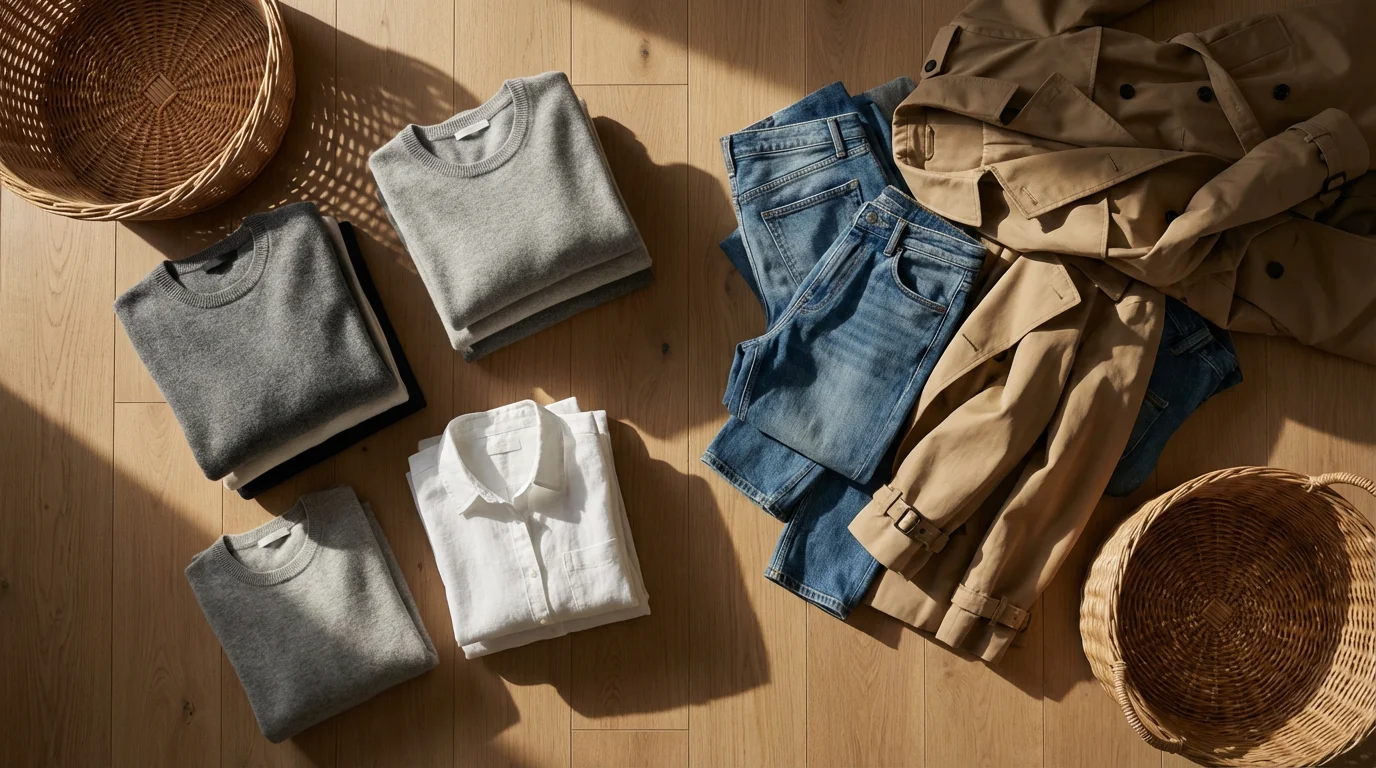
The first and most critical step in creating a minimalist wardrobe involves a thorough and honest decluttering process. This can feel daunting, but breaking it down into manageable steps makes it achievable. Allocate a dedicated block of time, perhaps a weekend morning, to ensure you complete this phase without interruption. Aim for 2-4 hours, depending on the current state of your wardrobe.
To prevent your wardrobe from reverting to its old state, understanding how to maintain an organized home with minimal effort is incredibly beneficial.
If you are feeling overwhelmed by other areas of your home, following a room-by-room guide to organized living can help you maintain momentum throughout your space.
Step-by-Step Decluttering Process:
- Empty Everything: Remove every single item of clothing, every accessory, every shoe, and every bag from your closet, drawers, and any other storage areas. Pile everything onto your bed or a clear floor space. This visual representation of your entire collection often reveals the true extent of your possessions.
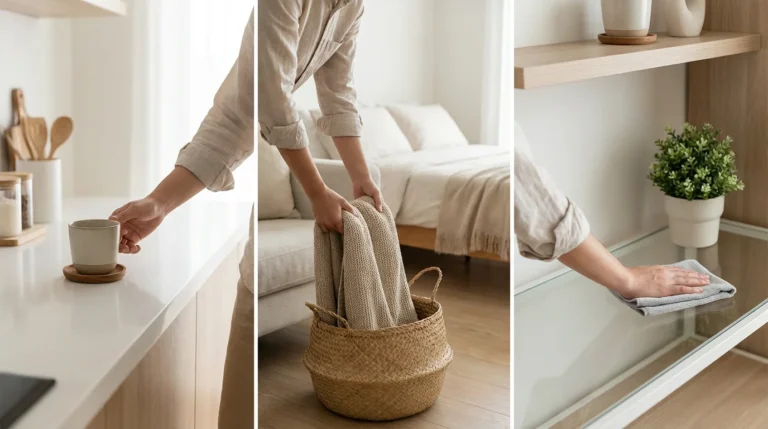
- Clean Your Closet Space: While your closet is empty, take the opportunity to clean it thoroughly. Wipe down shelves, vacuum the floor, and address any dust or cobwebs. Starting with a clean slate enhances the feeling of a fresh beginning.
- Sort into Categories: Group similar items together. All jeans in one pile, all t-shirts, all sweaters, all dresses, all accessories, etc. This helps you see duplicates and assess the true volume of each type of item you own.
- The “Yes, No, Maybe” Method: Now, pick up each item individually and make a quick, decisive judgment. Ask yourself specific questions:
- Do I love this?
- Does it fit me well right now?
- Have I worn this in the past 12 months? (Be honest!)
- Does it align with my current lifestyle and personal style?
- Is it in good condition? (No stains, holes, or irreparable damage)
Based on your answers, place the item into one of four distinct piles:
- KEEP: These are the items you love, wear regularly, that fit well, and are in good condition. These form the foundation of your new wardrobe.
- DONATE/SELL: Items that are in good condition but you no longer wear, no longer fit, or do not align with your style. Consider selling higher-value items or donating others to charity.
- DISCARD: Items that are damaged, stained, worn out beyond repair, or no longer fit for donation. Be ruthless with these; they serve no purpose.
- SEASONAL/SENTIMENTAL: Items that are not suitable for the current season but you will wear, or items with deep sentimental value. Store these separately, perhaps in a designated bin in an attic or under a bed. Do not keep them cluttering your daily wardrobe.
- Review Your “Keep” Pile: Once you have sorted everything, take a final look at your “Keep” pile. Do you truly need every single item? Are there any duplicates you can eliminate? This second pass helps you refine your choices and ensures you are only keeping the best of the best.
“Clarity about what matters provides clarity about what does not.” — Deep Work Principle
Phase Two: Building Your Capsule Wardrobe
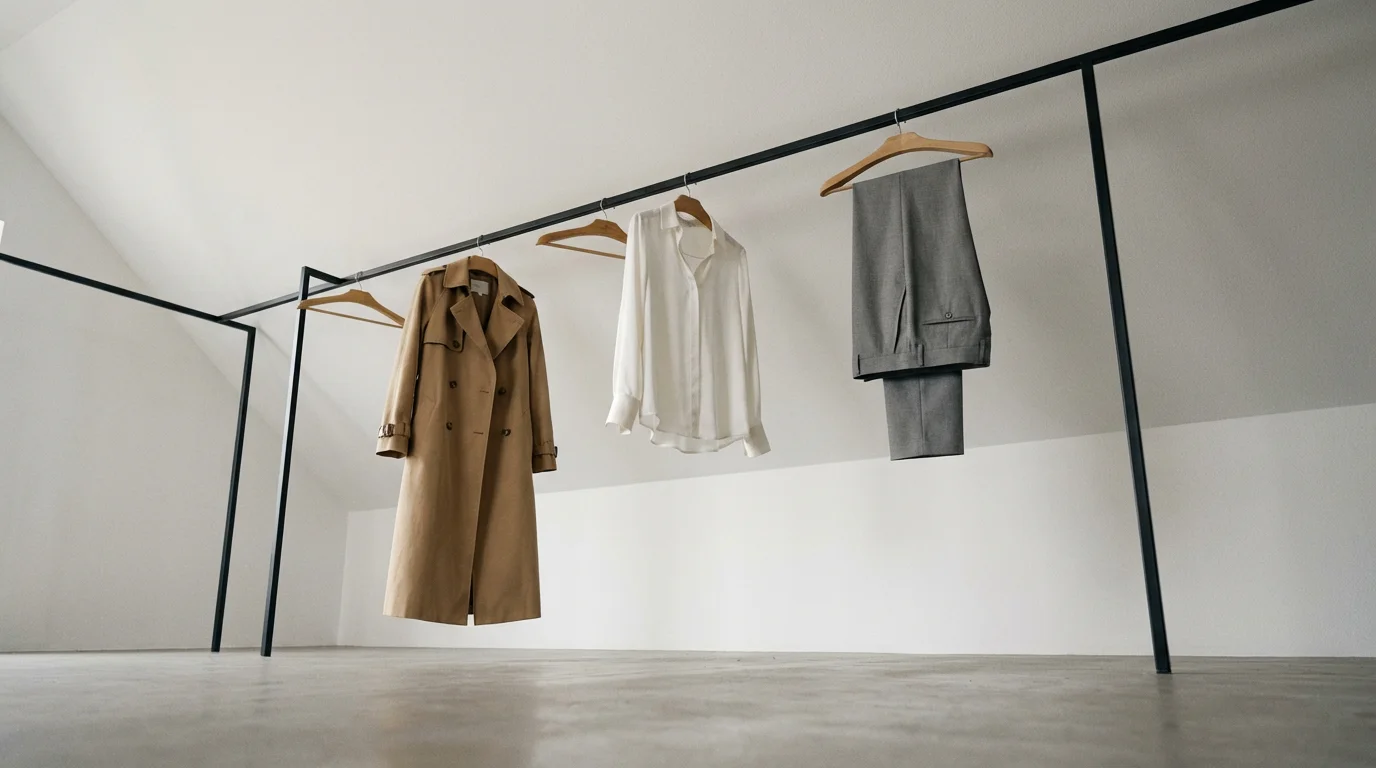
With your decluttering complete, you now possess a curated collection of items you genuinely love. The next phase involves strategically building your capsule wardrobe. A capsule wardrobe consists of a small collection of essential items that can be mixed and matched to create numerous outfits. This requires careful consideration of your lifestyle, color palette, and foundational pieces.
Defining Your Style and Needs:
Before adding anything new, clearly define what your wardrobe needs to accomplish. Your lifestyle dictates your clothing requirements. Are you a busy professional requiring business casual attire? A creative working from home needing comfortable but polished pieces? Your choices should reflect your daily reality.
Keeping your bedroom clean during this process is easier when you establish a quick daily tidy-up habit to handle small messes.
- Identify Your Core Activities: List the primary activities you engage in weekly. For example: office work, social events, gym, relaxation at home, weekend errands.
- Determine Your Style Aesthetic: What words describe your ideal style? Classic, bohemian, modern, minimalist, edgy? Look for inspiration on Pinterest or fashion blogs to hone in on your preferences.
- Choose a Primary Color Palette: Select 2-3 neutral base colors (black, white, navy, gray, beige) and 2-3 accent colors that complement your skin tone and can be easily mixed. Stick to this palette to ensure maximum versatility.
Selecting Foundation Pieces:
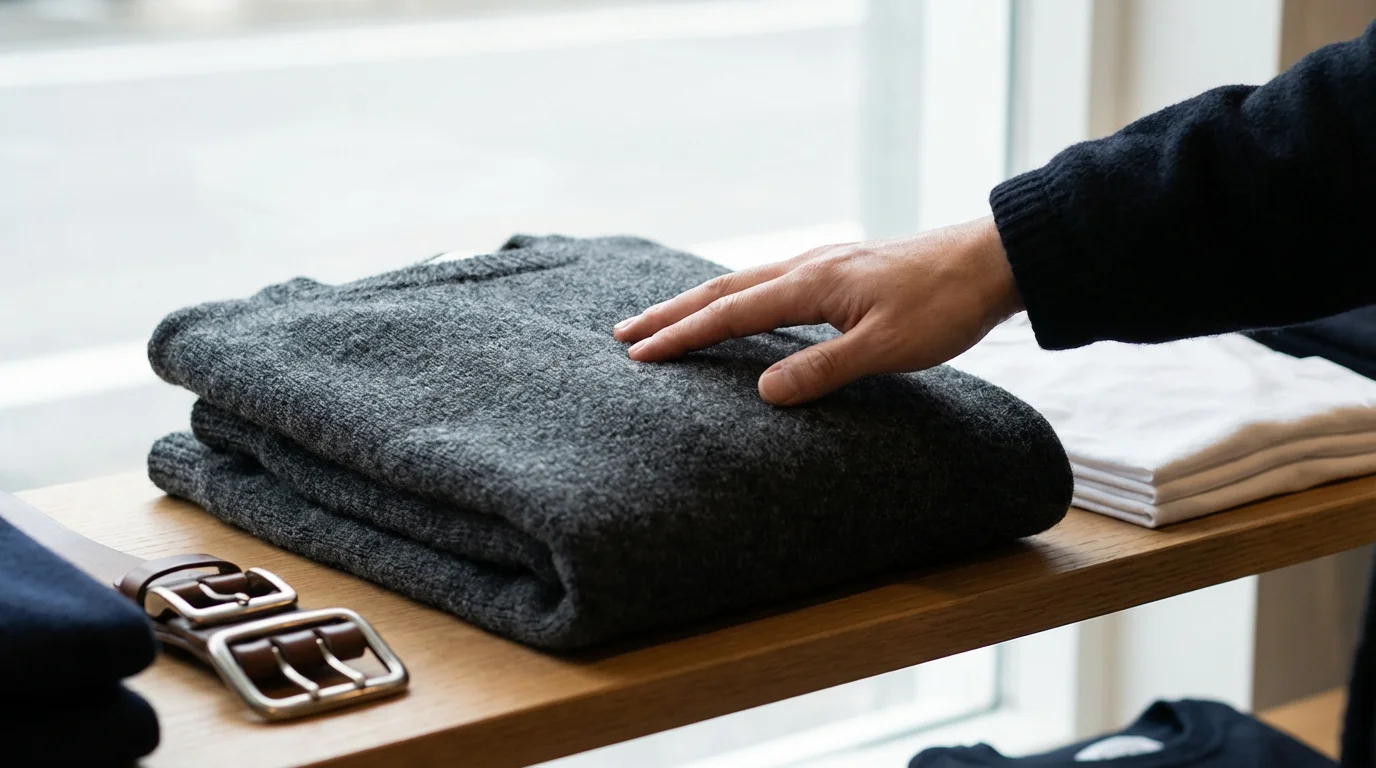
Foundation pieces are the versatile workhorses of your wardrobe. These are often classic, timeless items that serve as the backbone for countless outfits. They form the core of your capsule.
Once your foundation is set, performing a simple 15-minute home reset each night will ensure your space remains uncluttered.
- Tops:
- Basic t-shirts (crew neck, V-neck) in neutral colors.
- Blouses or button-downs (white, light blue, or patterned).
- Sweaters or cardigans for layering.
- Bottoms:
- Well-fitting jeans (dark wash, light wash, or black).
- Tailored trousers or chinos.
- A versatile skirt (pencil, A-line, or midi).
- Outerwear:
- A classic blazer.
- A versatile jacket (denim, leather, or utility style).
- A timeless coat for colder weather.
- Dresses/Jumpsuits:
- One or two versatile dresses that can be dressed up or down.
- Shoes:
- Comfortable walking shoes/sneakers.
- Versatile flats or loafers.
- A pair of heels or dressier shoes.
- Boots (if applicable to your climate).
- Accessories:
- A few versatile scarves.
- Belts to cinch waists or add detail.
- Minimalist jewelry.
- One everyday bag and one dressier bag.
A typical capsule wardrobe for a season might contain 30-40 items, including shoes and outerwear, but excluding intimates, sleepwear, and activewear. The exact number varies based on individual needs and climate. The key is balance and versatility. For instance, a professional working a hybrid schedule might prioritize comfortable but polished trousers and knit tops that transition easily from home office to in-person meetings. Harvard Business Review often highlights how strategic choices, even in personal presentation, can contribute to professional efficiency and confidence.
Phase Three: Organizing for Accessibility and Aesthetics
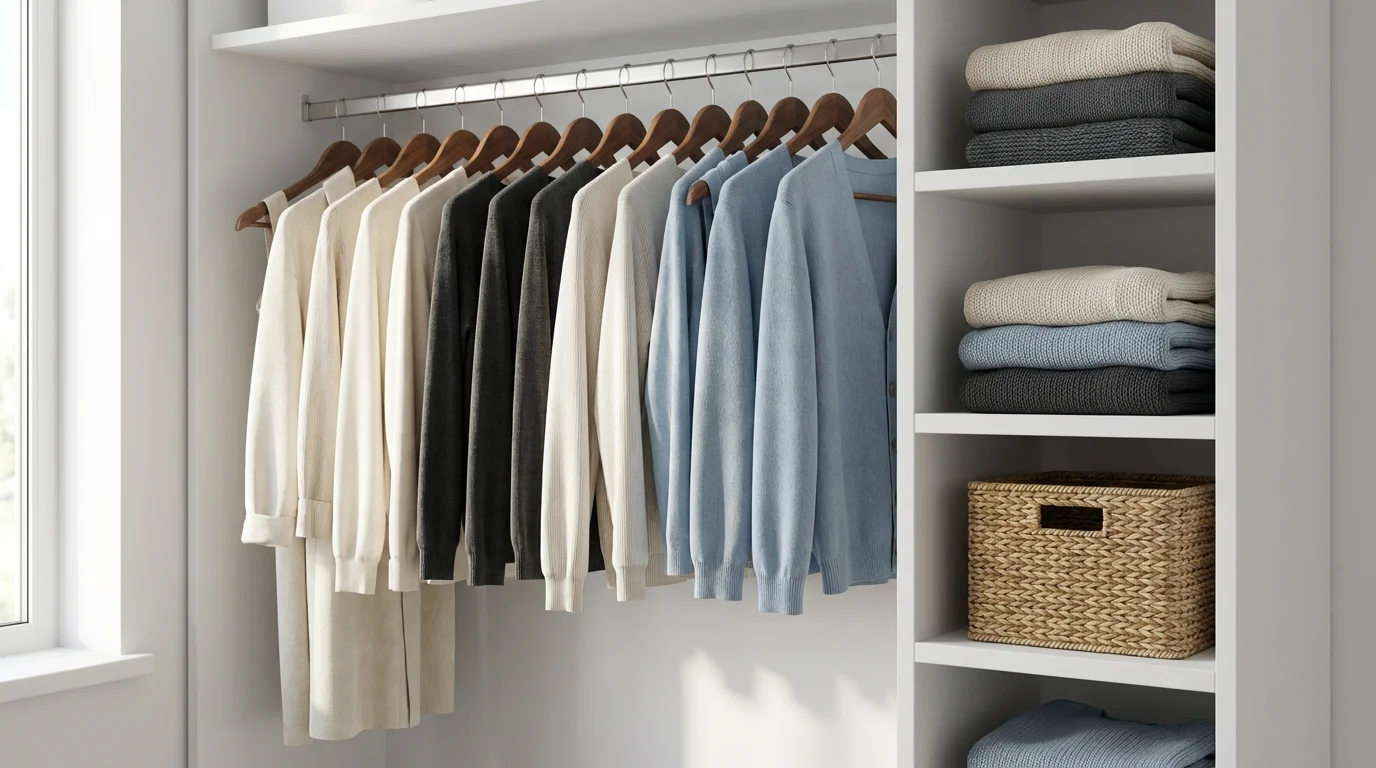
Once you have curated your minimalist wardrobe, the final step involves organizing it in a way that maximizes accessibility and visual appeal. An organized closet saves time and reinforces the minimalist mindset. This phase typically takes 1-2 hours, depending on your closet setup.
Optimize Your Storage Solutions:
The right storage can make a significant difference in maintaining an organized system. Invest in functional tools that suit your space.
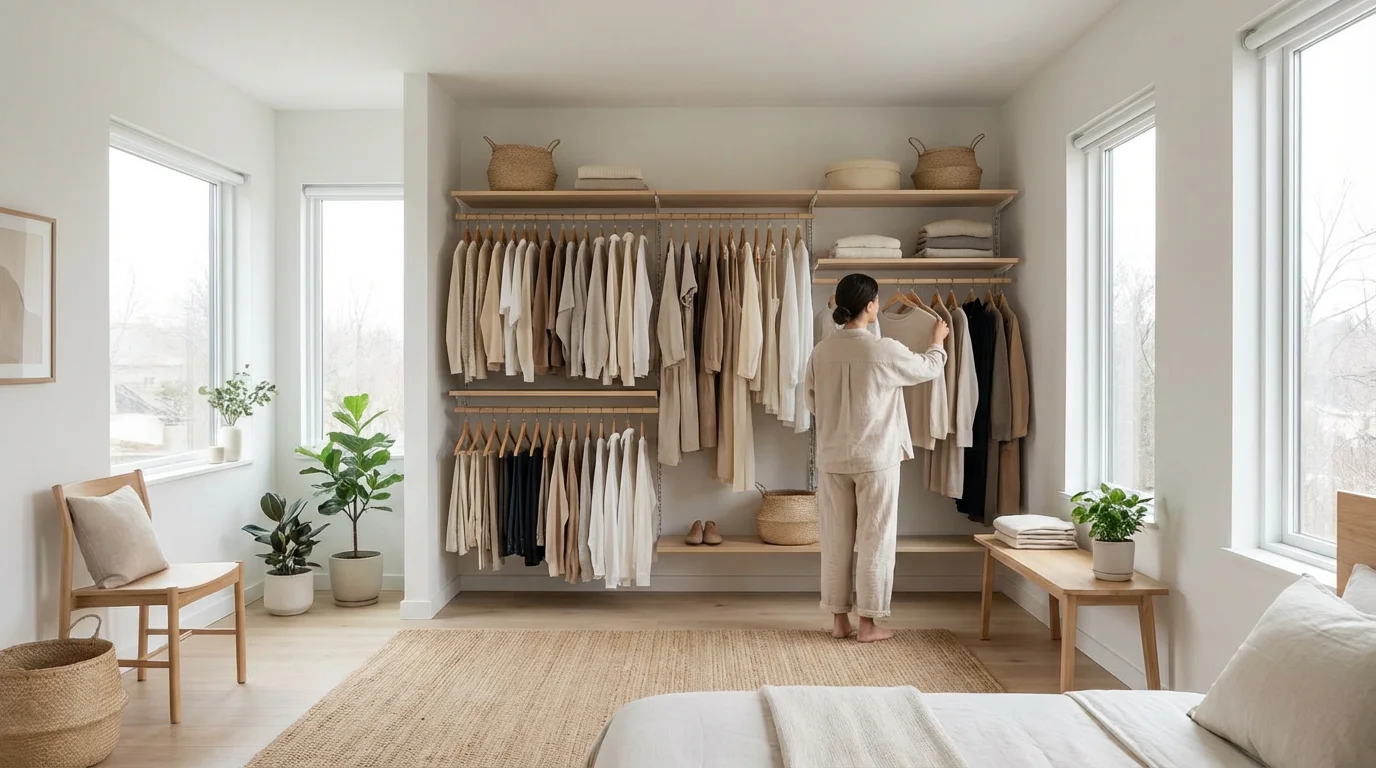
- Quality Hangers: Switch to slim, non-slip hangers (velvet hangers work well) to maximize space and prevent clothes from slipping. Uniform hangers create a visually cohesive and calming effect.
- Drawer Dividers: Use dividers in drawers to separate socks, underwear, and accessories. This keeps small items from becoming a jumbled mess and makes specific items easy to locate.
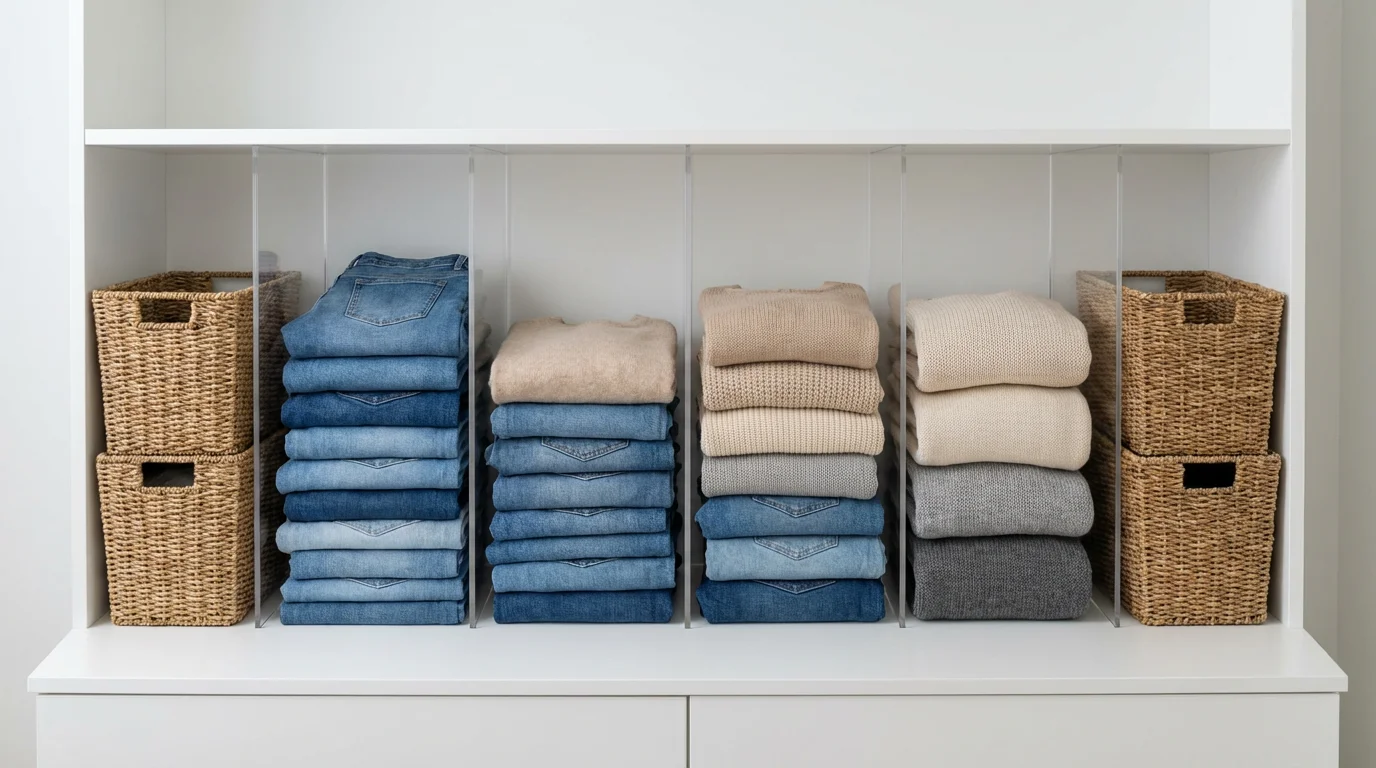
- Fold vs. Hang: Understand which items benefit from hanging and which from folding. Delicate blouses, dresses, and trousers usually hang. Sweaters, knitwear (to prevent stretching), t-shirts, and jeans typically fold. Fold items neatly using methods like the KonMari vertical fold to save space and visibility.
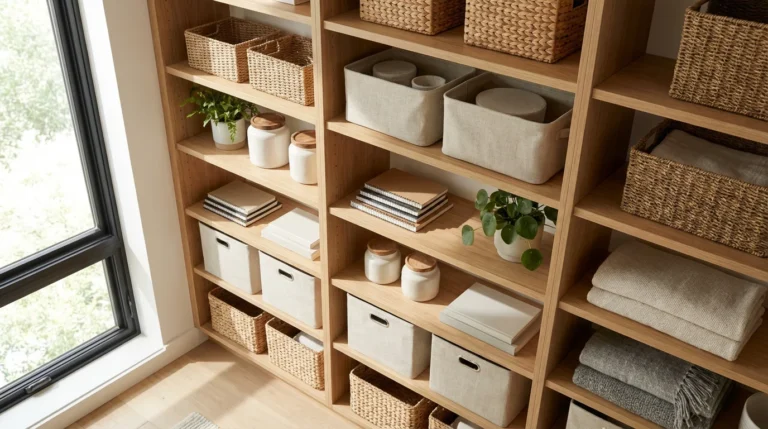
- Shelf Organizers: Implement shelf dividers to create distinct sections for folded items, bags, or shoes. This prevents piles from toppling over and maintains order.
- Utilize Vertical Space: Add extra shelves or a second hanging rod if your closet allows. Over-the-door organizers can store accessories like belts or scarves.

Implement a System for Easy Retrieval:
The goal is to see everything you own at a glance, allowing you to choose an outfit quickly and without rummaging.
- Categorize and Zone: Group similar items together (all shirts, all pants, all dresses). Within categories, you can further organize by color or formality. For example, hang all blouses together, then arrange them by color from light to dark.
- Accessibility: Place frequently worn items at eye level or within easy reach. Less-used items (e.g., formal wear, off-season items) can go on higher shelves or in less accessible areas.
- Daily Prep Zone: Designate a small area, perhaps a hook or a valet rod, to lay out the next day’s outfit. This simple habit eliminates morning decision-making entirely.
An organized closet is not merely about aesthetics; it is about creating an efficient system. When everything has a designated home and is easy to access, you spend less time searching and more time focusing on what truly matters. This contributes to the overall “flow” of your daily routine, a key principle in organized living, as discussed by experts at Fast Company in their coverage of productivity in the modern workspace.

Mastering the Art of Conscious Shopping
Maintaining a minimalist wardrobe requires a fundamental shift in your shopping habits. Moving from impulsive buying to conscious consumption prevents new clutter from accumulating and ensures every new item genuinely enhances your capsule. This is an ongoing practice, not a one-time event.
Key Principles of Conscious Shopping:
- Buy for Gaps, Not Impulse: Before you shop, review your existing wardrobe. Identify specific items you genuinely need to fill a gap or replace a worn-out piece. Create a shopping list and stick to it.
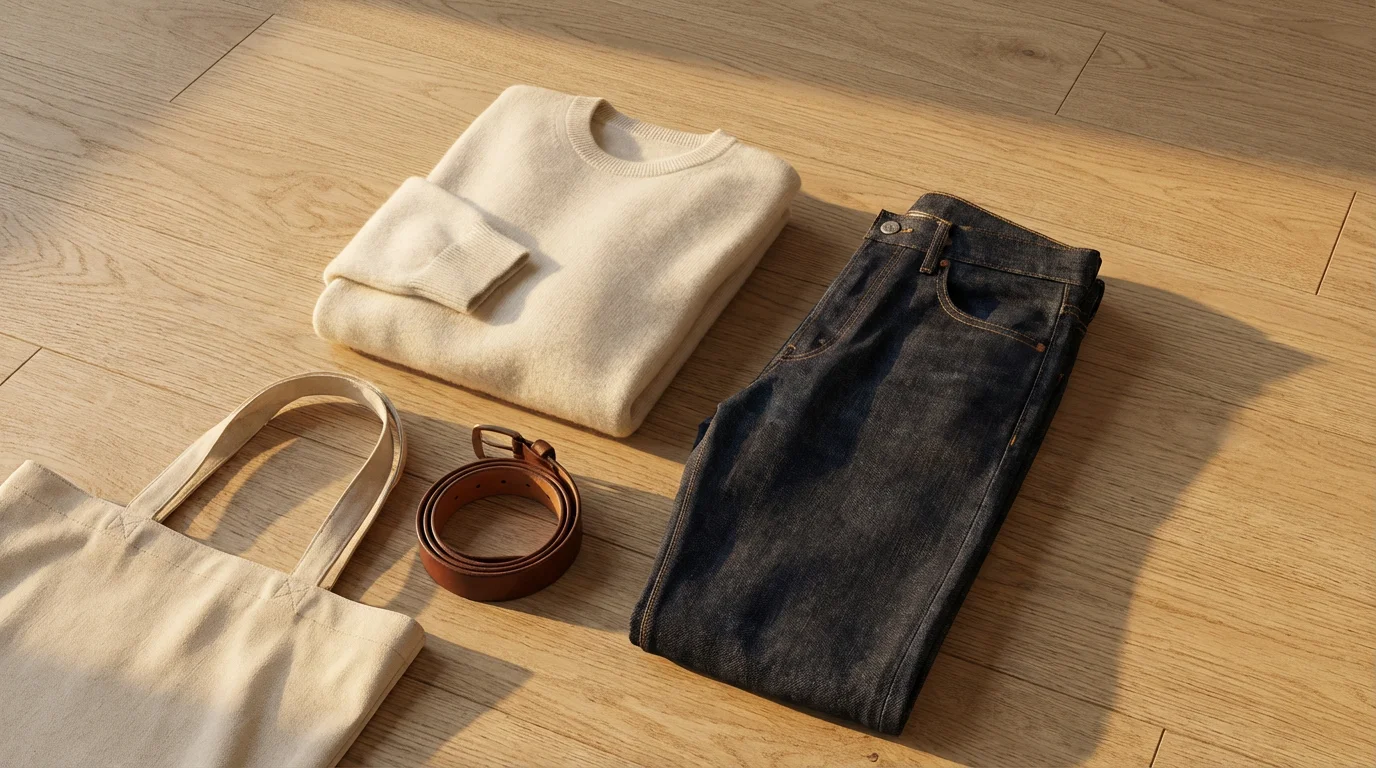
- Prioritize Quality: Invest in high-quality garments made from durable fabrics. These pieces last longer, often look better, and ultimately prove more cost-effective than cheap, fast-fashion alternatives. Consider the fabric composition, stitching, and overall construction.
- Think Versatility: Can the item be worn in multiple ways? Does it mix and match with at least three other items you already own? If not, reconsider the purchase. A versatile piece adds more value to your wardrobe than a highly specific one.
- Consider Your Color Palette: Ensure any new item fits within your established color palette. This guarantees seamless integration with your existing clothing and maintains the cohesive look of your capsule.
- Shop Secondhand: Explore consignment stores, thrift shops, or online marketplaces. Buying secondhand extends the life of garments and offers unique, quality finds at a fraction of the cost, aligning with sustainable practices.
- Implement a “One In, One Out” Rule: For every new item you bring into your wardrobe, commit to removing an old one. This strict rule prevents accumulation and forces you to continually evaluate your possessions.
Practicing conscious shopping transforms your relationship with clothing. You become a discerning curator rather than a passive consumer, leading to a wardrobe that serves you well and simplifies your life. This mindful approach to acquisition prevents the return of clutter and preserves the effort you invested in decluttering.
Overcoming Common Challenges
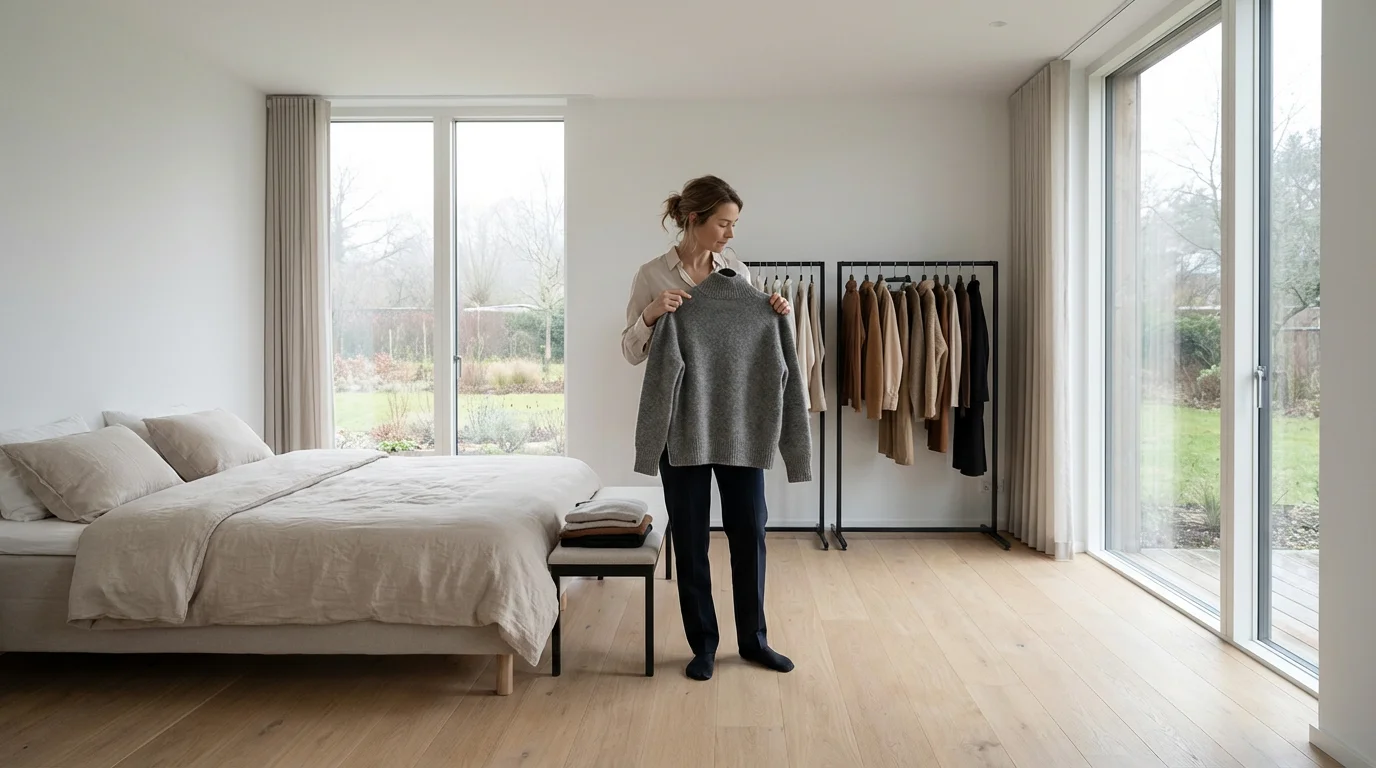
Embarking on a minimalist wardrobe journey often presents hurdles. Acknowledging these challenges and preparing strategies to overcome them ensures your success and long-term adherence to the system.
- Sentimental Items: It is difficult to part with clothes holding emotional value. Instead of keeping them in your active wardrobe, designate a single, contained memory box for these items. Store it separately from your daily closet. This honors the memory without cluttering your daily choices.
- “What If” Scenarios: You might worry about needing a specific item for a rare event. For highly specific, infrequent needs, consider borrowing, renting, or purchasing only when the event is confirmed and close. For example, a formal gown for a single event does not need permanent residence in your everyday capsule.
- Shopping Habits: Breaking old shopping habits takes time and effort. Unsubscribe from retail emails, avoid browsing shopping websites, and delay purchases by implementing a 30-day waiting period for non-essential items. This allows you to evaluate genuine need over impulse.
- Seasonal Changes: A minimalist wardrobe does not mean you suffer in extreme weather. Create seasonal mini-capsules. Store off-season clothing in clearly labeled bins, swapping them out as temperatures change. This keeps your active wardrobe focused on current needs.
- Weight Fluctuations: If your body shape changes, do not hold onto clothes that do not fit in hopes they will someday. Keep a small selection of versatile, comfortable “transitional” pieces. Donate items that are significantly too large or too small to reduce guilt and clutter.
- Fear of Repetition: Some worry a minimalist wardrobe leads to boring outfits. This is a misconception. Focus on versatile layering, quality accessories, and learning new ways to combine your existing pieces. A scarf can transform a simple outfit, as can a change of shoes or jewelry.
Maintaining Your Minimalist Wardrobe
Creating a minimalist wardrobe is a significant achievement, but maintaining it requires ongoing vigilance and periodic adjustments. Think of it as a living system that needs regular care, not a one-time project. Dedicate 15-30 minutes each season for a quick review.
- The Seasonal Refresh: Twice a year, typically at the change of seasons (spring/summer and fall/winter), perform a mini-declutter. Take out all your seasonal clothes and assess each item.
- Does it still fit?
- Is it in good condition?
- Did I wear it last season?
- Does it still align with my style?
Use the “Yes, No, Maybe” method again for these seasonal items. This prevents accumulation and ensures your wardrobe remains relevant.
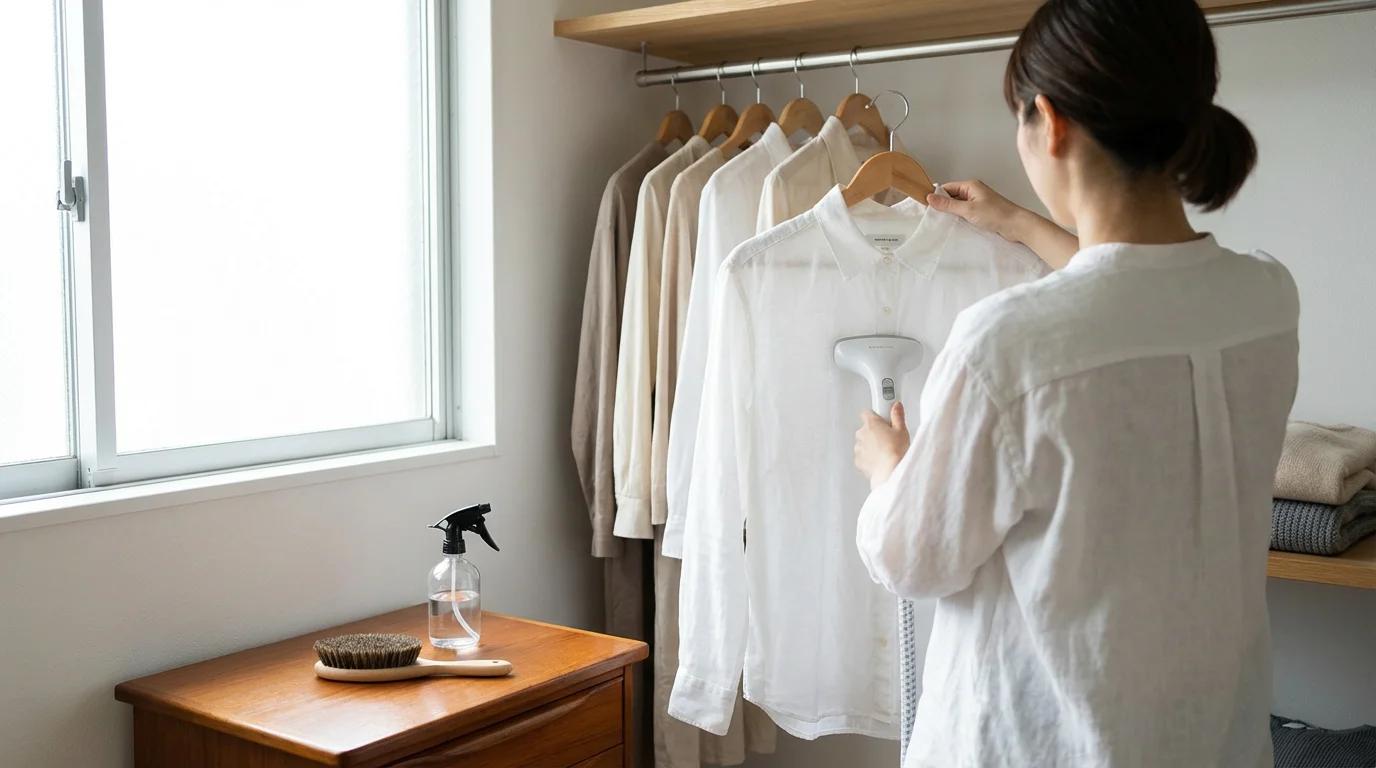
- Regular Laundry and Care: Proper care extends the life of your garments. Follow washing instructions, air dry delicate items, and promptly repair small damages like loose buttons or minor snags. A well-maintained wardrobe requires fewer replacements.
- Conscious Replacements: When an item wears out, replace it thoughtfully. Do not rush to buy the first thing you see. Take your time to find a high-quality replacement that fits your wardrobe’s aesthetic and serves its purpose effectively. This reinforces the conscious shopping habits you developed.
- Periodic Style Assessment: Your lifestyle and personal style evolve. Every year or two, take a moment to reflect on your style. Have your professional needs changed? Are you drawn to different colors or silhouettes? Adjust your wardrobe to reflect your current self.
By integrating these maintenance practices into your routine, your minimalist wardrobe remains functional, beautiful, and effortlessly serves your daily needs, contributing to more organized living and smoother mornings.
Frequently Asked Questions
How many items should I aim for in a minimalist wardrobe?
There is no magic number, as it largely depends on your lifestyle, profession, and climate. Many people aim for 30-40 items per season, including shoes and outerwear, but excluding intimates, sleepwear, and activewear. The goal is functionality and intentionality, not strict adherence to a number.
Can a minimalist wardrobe be colorful or is it just neutrals?
Absolutely, a minimalist wardrobe can be colorful! While neutrals provide a versatile base, you should incorporate colors you love and that flatter you. The key is to choose a cohesive color palette, perhaps 2-3 neutrals and 2-3 accent colors, to ensure everything mixes and matches easily. This approach allows for vibrant expression without sacrificing versatility.
What if I have a very specific job that requires unique uniforms or formal wear?
Categorize your wardrobe by function. Keep your work uniform or highly specific formal wear separate from your everyday capsule. Your core minimalist wardrobe should focus on your most frequent daily activities. For specific work items, apply minimalist principles where possible, but acknowledge their necessity and store them appropriately.
How do I handle sentimental clothing items I cannot part with?
Designate a single memory box or bin for sentimental items. Store it outside your main wardrobe space, perhaps in an attic or a storage closet. This allows you to honor your memories without letting them clutter your daily decision-making process. Review this box periodically, but do not feel pressured to discard items that genuinely hold deep personal meaning.
Is buying expensive clothing essential for a minimalist wardrobe?
Not necessarily. While focusing on quality often means investing in higher-priced items, “expensive” does not always equate to “quality.” Look for durable fabrics, strong stitching, and classic designs regardless of the brand or price point. Prioritize value and longevity over fleeting trends, whether you find items new or secondhand.
How often should I review my minimalist wardrobe?
Conduct a thorough seasonal refresh 2-4 times a year, ideally when changing out seasonal clothing. This involves a quick assessment of fit, condition, and relevance for each item. Additionally, perform minor adjustments as needed if your lifestyle changes or an item wears out, ensuring your wardrobe remains a functional asset.
This article is for informational purposes only and does not constitute professional advice. For specific personal or financial guidance, consult with a qualified professional.