๐ŸŽฏ The Focused Method
  • Habit Building
  • Time Management
  • Productivity Hacks
  • Digital Wellness
  • Mindset & Focus
  • Organized Living

The Art of the ‘Digital Sabbath’: Disconnecting for Enhanced Creativity and Focus

July 11, 2026 ยท Digital Wellness
The Art of the ‘Digital Sabbath’: Disconnecting for Enhanced Creativity and Focus - guide

In our hyper-connected world, the constant hum of digital notifications and endless information streams taxes your attention and creativity. You often find yourself multitasking, struggling to concentrate on a single task without interruption. This persistent digital presence leads to mental fatigue, reduced focus, and a diminished capacity for deep, creative thought.

Embracing a ‘Digital Sabbath’ offers a powerful antidote to this digital overload. This practice involves intentionally disconnecting from all digital devices for a defined period, typically a day. It provides a crucial opportunity to recharge your mind, reclaim your focus, and unlock enhanced creativity. By stepping away from screens, you create space for reflection, genuine connection, and deep engagement with your offline world.

Table of Contents

  • The Power of the Digital Sabbath
  • Understanding Digital Wellness and Your Brain
  • Designing Your Digital Sabbath: Step-by-Step
  • Practical Strategies for a Successful Disconnect
  • Overcoming Common Obstacles to Your Digital Sabbath
  • Integrating Disconnection into Daily Life
  • Measuring the Impact: What to Expect
  • Frequently Asked Questions
Low angle view of person reading book in sunlit chair, digital detox concept.
Stepping away from the screen creates the necessary space for your mind to rest and reset.

The Power of the Digital Sabbath

A Digital Sabbath is a scheduled period, usually 24 hours, during which you intentionally abstain from all digital technology. This includes smartphones, computers, tablets, television, and even smart home devices. The goal is to create a deliberate space free from digital distractions, allowing your mind to rest and reset.

This practice is not about renouncing technology permanently. Instead, it is about regaining control over your digital habits and fostering intentional tech use. Think of it as a mental reset button, designed to break the cycle of constant digital consumption and reactivity.

The benefits of this intentional disconnect are extensive. You reduce mental clutter, which clears the way for clearer thinking. You also experience a reduction in stress, as the pressure to respond instantly to notifications subsides. This deliberate pause allows your brain to engage in diffuse mode thinking, often leading to breakthroughs in problem-solving and creative endeavors.

Consider the cumulative effect of constant digital engagement. Each notification, email, or social media scroll pulls your attention away from your primary task, creating what experts call “attention residue.” This residue means a part of your mind remains stuck on the previous digital interaction, diminishing your capacity for deep focus on the current task. A Digital Sabbath offers a break from this cycle, allowing your attention to fully return.

Beyond personal benefits, a Digital Sabbath strengthens your relationships and connection to the physical world. Without devices demanding your attention, you engage more fully with family, friends, and your immediate environment. This can include engaging in hobbies, spending time outdoors, or simply enjoying quiet reflection.

Macro photography of green leaf veins resembling brain neural networks backlit by morning sun
Just like nature’s intricate systems, your brain requires periods of stillness to regenerate and function at its peak.

Understanding Digital Wellness and Your Brain

Digital wellness refers to a state of healthy relationship with technology. It involves being mindful of your digital habits and using technology in ways that support your well-being, productivity, and overall quality of life, rather than detracting from them. A Digital Sabbath represents a cornerstone practice within the broader concept of digital wellness.

Your brain responds significantly to constant digital input. Notifications trigger a dopamine response, creating a reward loop that encourages you to check your devices frequently. This continuous stimulation keeps your brain in a state of high alert, making it difficult to relax or engage in sustained, deep concentration. This constant “on-call” state depletes your cognitive resources and hinders your ability to think creatively.

Research indicates that frequent interruptions, often from digital sources, can reduce productivity by up to 40%. Each time you switch tasks due to a notification, your brain expends energy to reorient itself, leading to mental fatigue. This constant context-switching prevents you from entering a flow state, which is crucial for high-quality creative and focused work.

“Clarity about what matters provides clarity about what does not.” โ€” Deep Work Principle

The Deep Work Principle emphasizes the value of sustained, distraction-free concentration on a single, cognitively demanding task. A Digital Sabbath directly supports this principle by eliminating the very distractions that undermine deep work. By consciously removing digital inputs, you create an environment where your brain can recover, process information without interruption, and access its full creative potential.

Moreover, constant screen exposure, particularly before bedtime, disrupts your natural sleep cycles. The blue light emitted by devices suppresses melatonin production, making it harder to fall asleep and reducing sleep quality. Disconnecting allows your body to regulate its natural circadian rhythms, leading to more restorative sleep, which directly impacts your energy levels, mood, and cognitive function.

Macro shot of a fountain pen nib on textured paper with dramatic afternoon shadows.
Defining your boundaries begins with a return to tangible, analog planning tools.

Designing Your Digital Sabbath: Step-by-Step

Implementing a Digital Sabbath requires thoughtful planning. You need to define clear boundaries and prepare your environment to ensure success. Approach this as an experiment, allowing yourself flexibility to refine the process over time.

Follow these steps to design your first Digital Sabbath:

  1. Define Your “Why” (5 minutes): Clarify your primary motivation. Do you seek more creativity, reduced stress, improved sleep, or stronger relationships? Understanding your purpose will provide motivation when challenges arise. Write it down.
  2. Set Your Boundaries (10 minutes): Decide exactly which devices and digital activities are off-limits. Most people exclude all screen-based devices. Some allow exceptions for truly essential communication, like an emergency-only “dumb phone.” Be specific about your start and end times, for example, Saturday 6 PM to Sunday 6 PM.
  3. Communicate Your Plans (15 minutes): Inform your close family, friends, and colleagues about your Digital Sabbath. Explain you will be unreachable for a set period. Set an automatic “away” message for email and work communication, stating when you will return and who to contact in an urgent situation. This manages expectations and reduces anxiety for others.
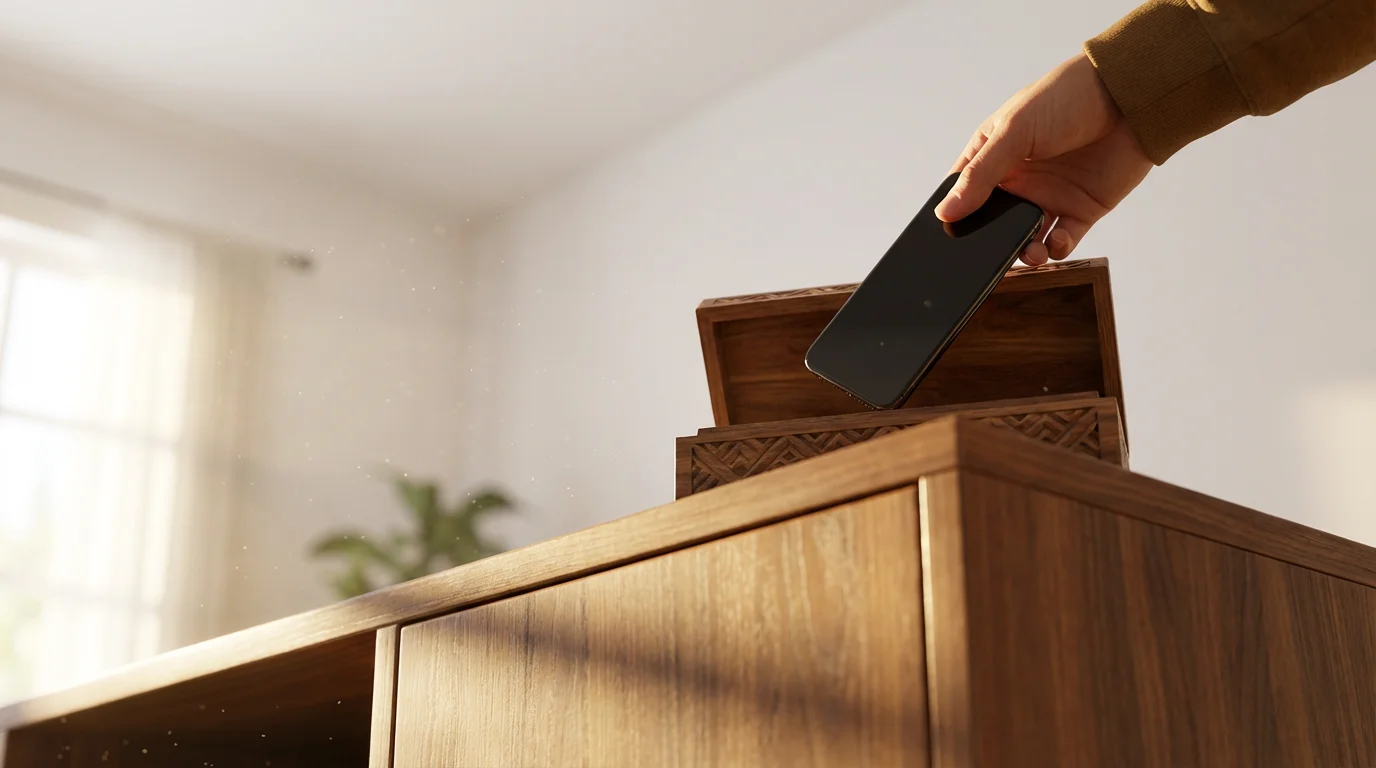
  4. Prepare Your Environment (30 minutes): Anticipate your needs during your disconnected time. Charge your devices fully, then put them away in a drawer, a separate room, or even a physical lockbox. Prepare analog alternatives: books, art supplies, board games, a journal, or ingredients for a meal. Plan activities that do not require screens.
  5. Schedule Your First Sabbath (5 minutes): Pick a day when you realistically expect minimal digital demands. For many, a weekend day works best. Start with a shorter duration, perhaps 12 hours, and gradually extend it as you become more comfortable.

Worked Example: A Sunday Sabbath for a Busy Professional

Sarah, a marketing manager, feels constantly drained by emails and notifications. She decides to try a Digital Sabbath on Sundays.

  • Why: To reduce stress, improve focus, and spend quality time with her family.
  • Boundaries: All devices (phone, laptop, TV) are off-limits from Saturday 8 PM until Sunday 8 PM. Her smart speaker for music is an allowed exception, but she avoids using it for news or podcasts.
  • Communication: Sarah sets an auto-responder on her work email. She texts close friends and family on Friday, letting them know she will be unreachable until Sunday evening.
  • Preparation: On Saturday afternoon, she charges her phone, then places it in a kitchen drawer. She pulls out a novel, a jigsaw puzzle, and ingredients for baking with her kids. She also checks her analog alarm clock to ensure it works.
  • Schedule: Her first Sabbath runs for 24 hours, giving her a full day of disconnection.

This structured approach minimizes potential disruptions and maximizes the chances of a successful first experience. Remember, the goal is not perfection, but intentional disconnection.

Person repotting plants in a sunlit greenhouse during a digital detox morning.
Replacing screen time with tactile engagement, such as gardening, provides a satisfying anchor for your attention.

Practical Strategies for a Successful Disconnect

Once you have planned your Digital Sabbath, specific strategies help you execute it smoothly. These tips address common challenges and enhance your experience.

  • Physical Device Lockbox: Place all non-essential devices in a physical lockbox or a designated, out-of-sight drawer. This simple act creates a physical barrier, preventing impulsive checking. Knowing your devices are physically inaccessible reduces the mental effort required to resist them.
  • Create an Analog Activity List: Before your Digital Sabbath begins, brainstorm a list of activities you genuinely enjoy that do not require screens. This could include reading a physical book, painting, gardening, cooking, hiking, playing board games, or spending time with loved ones. Having a list ready prevents boredom and the temptation to revert to devices.
  • Involve Family and Friends: If you live with others, encourage them to participate or at least respect your boundaries. A family-wide Digital Sabbath fosters shared experiences and mutual support. Even if others do not participate, clearly communicate your rules so they understand why you are less responsive.
  • Establish an Emergency Contact Plan: For genuine emergencies, set up a single, low-tech point of contact if necessary. This might involve giving a trusted family member or neighbor a number for truly urgent calls, which they can relay to you via a landline or in person. This alleviates anxiety about critical situations.
  • Automate Digital Absence: Utilize features like “Do Not Disturb” modes, auto-reply emails, and away messages on messaging apps. These tools manage external expectations and prevent others from feeling ignored. Clearly state your period of unavailability and when you will respond.
  • Pre-Download Offline Content (Sparingly): If you absolutely must access certain information, like a map for an outdoor adventure, download it beforehand. However, exercise caution. The goal is true disconnection, not merely shifting content consumption offline. Prioritize analog alternatives whenever possible.
  • Embrace Boredom: Initial boredom is a normal part of the process. Instead of reaching for a device, lean into it. Boredom often serves as a catalyst for creativity, prompting your mind to seek out novel ideas and solutions. Let your mind wander freely.

Implementing these strategies helps solidify your commitment and makes the transition to a disconnected state smoother and more enjoyable. You will discover new ways to spend your time and engage with your environment.

Macro photography of balanced river stones illuminated by warm golden hour sunlight.
Building resilience against digital distractions requires the patience and balance of a steady hand.

Overcoming Common Obstacles to Your Digital Sabbath

Embarking on a Digital Sabbath often brings its own set of challenges. Recognizing these common obstacles and preparing solutions will increase your success rate and resilience.

  • Fear of Missing Out (FOMO):
    • Pitfall: The nagging feeling that important information or social events are happening without you.
    • Solution: Remind yourself that most online updates are not urgent. Communicate your disconnection to close contacts in advance, managing their expectations and alleviating your own anxiety. Focus on the enriching experiences you gain by being present in your physical world.
  • Work Creep:
    • Pitfall: The temptation to check work emails or messages, especially if your job demands constant availability.
    • Solution: Set strict boundaries with your employer and team. Train them to understand your Digital Sabbath hours. Delegate urgent tasks to a colleague or establish an emergency-only contact protocol that bypasses your personal devices. Many workplaces respect personal boundaries when clearly communicated.
  • Boredom and Restlessness:
    • Pitfall: The initial discomfort of not having immediate digital stimulation, leading to restlessness or a desire to “fill the void.”
    • Solution: Pre-plan a diverse list of engaging analog activities. Prepare materials for hobbies, outdoor excursions, or social interactions. View boredom as an opportunity for introspection and creative thought, rather than something to be avoided.
  • Social Pressure:
    • Pitfall: Friends or family members expecting instant replies or wanting to share digital content.
    • Solution: Educate your inner circle about your Digital Sabbath. Explain its benefits to you and encourage them to try it. Suggest analog alternatives for spending time together, like a walk in the park or a board game night. Your intentional choice can inspire others.
  • Perceived Emergencies:
    • Pitfall: Worry that a critical situation might arise where you need your phone.
    • Solution: Distinguish between genuine emergencies and perceived urgency. For true emergencies, designate a single, non-digital contact method (e.g., a landline number for family members, or a neighbor who can physically reach you). Most “emergencies” can wait a few hours.

Remember that overcoming these obstacles takes practice and patience. Each successful Digital Sabbath strengthens your resolve and demonstrates your capacity for intentional living. Do not aim for perfection, but for consistent effort and self-compassion.

Macro detail of ceramic plate and linen napkin under cool blue evening lighting.
Turning off devices during meals creates space for mindful eating and genuine connection.

Integrating Disconnection into Daily Life

The benefits of a Digital Sabbath extend beyond a single day of disconnection. You can integrate principles of intentional tech use into your daily routine, fostering ongoing digital wellness. These micro-disconnects reinforce your control over technology.

  • Establish Device-Free Zones: Designate specific areas or times in your home as completely device-free. Common examples include the dining table during meals, the bedroom, or specific hours in the evening. This creates sanctuaries for connection and rest.
  • Manage Notifications Aggressively: Turn off all non-essential notifications on your phone and computer. You control when and how you receive information, rather than being constantly interrupted. Schedule specific times to check emails and messages, batching these tasks for efficiency.
  • Implement Digital Sunset/Sunrise: Create a daily digital “sunset” by putting away devices an hour or two before bed. This improves sleep quality by allowing your brain to wind down without blue light stimulation. Similarly, delay checking devices for the first 30-60 minutes after waking, giving yourself a calm start to the day.
  • Practice Single-Tasking: When working or engaging in an activity, commit to single-tasking. Close unnecessary tabs, silence your phone, and dedicate your full attention to one thing at a time. This significantly boosts focus and productivity.
  • Schedule Regular Micro-Breaks: Incorporate short, device-free breaks into your workday. Step away from your screen, look out a window, take a short walk, or engage in a quick stretching session. These brief periods of disconnection refresh your mind and prevent cognitive fatigue.

Worked Example: Device-Free Dinners for a Family

The Miller family found their dinner times increasingly silent, with each member engrossed in their respective devices. They decided to implement a “device-free dinner” rule.

  • Rule: All phones, tablets, and smartwatches go into a designated basket in the entryway before dinner begins.
  • Preparation: They purchased a decorative basket for this purpose. They also discussed the rule with their children, explaining the benefit of talking and connecting as a family.
  • Outcome: Initially, there was some resistance, but within a few weeks, dinner conversations became livelier. Family members started sharing more about their day, engaging in debates, and playing simple guessing games. This small daily disconnect significantly improved their family connection and presence.

These small, consistent actions contribute to a more balanced relationship with technology. They empower you to make conscious choices about when and how you engage with your digital tools, rather than passively reacting to them.

Flat lay of open notebook, fountain pen, and tea on wooden desk for analog reflection.
Taking time to document your offline experiences can help you track the benefits of disconnection.

Measuring the Impact: What to Expect

After implementing a Digital Sabbath, you will notice various positive changes. These benefits often manifest gradually, reinforcing the value of your intentional disconnection. Paying attention to these shifts encourages continued practice.

  • Improved Mental Clarity: You will likely experience a reduction in mental fog and an increase in clear, focused thought. Your mind feels less cluttered, making it easier to concentrate on tasks. This clarity often extends to decision-making, as you approach choices with less distraction.
  • Enhanced Creativity: With reduced digital input, your brain has more space for diffuse thinking, which is crucial for creativity. You might find new ideas surfacing, innovative solutions to problems, or a renewed passion for creative hobbies. Many individuals report feeling a surge of inspiration.
  • Reduced Anxiety and Stress: The pressure to be constantly available and responsive diminishes. This leads to a noticeable decrease in ambient stress and anxiety. You feel calmer and more present in the moment, less driven by external digital demands.
  • Better Sleep Quality: By limiting screen time, especially before your Digital Sabbath, your sleep cycles normalize. You may fall asleep more easily and experience more restful, deeper sleep. Waking up feeling more refreshed becomes a consistent outcome.
  • Stronger Relationships: Uninterrupted time with loved ones fosters deeper conversations and connections. You engage more fully, listen more attentively, and create shared experiences without digital interference. This strengthens bonds and creates lasting memories.
  • Increased Self-Awareness: Spending time disconnected from external stimuli provides an opportunity for introspection. You become more attuned to your own thoughts, feelings, and needs, leading to greater self-awareness and personal growth.
  • Greater Control Over Technology: Perhaps most importantly, you reclaim agency over your devices. You realize that you dictate when and how you use technology, rather than allowing technology to dictate your attention and time. This sense of control extends beyond the Sabbath itself.

Reflect on your experiences after each Digital Sabbath. Did you feel more rested? Did you gain a new perspective on a problem? Did you enjoy a particular analog activity? Use these observations to refine your process, adjusting the rules or duration as needed. The Digital Sabbath is a flexible tool, designed to serve your well-being. Continue experimenting and iterating to discover what works best for you and your lifestyle.

Frequently Asked Questions

How long should a Digital Sabbath be?

Most commonly, a Digital Sabbath lasts for 24 hours, mirroring traditional Sabbath practices. However, you can start with a shorter period, such as 12 hours, and gradually extend it as you become more comfortable. The key is consistency and intentionality.

What if I have a work emergency?

Plan for true emergencies by establishing a single, low-tech emergency contact method. This might involve giving a trusted family member a specific landline number or instructing colleagues to only call a designated backup for critical issues. Distinguish between genuine emergencies and perceived urgency, most work matters can wait.

Can I still use e-readers or listen to music?

The goal is to disconnect from interactive, notification-driven technology. Many people allow e-readers if they are used offline and do not connect to the internet or social features. Similarly, offline music players or smart speakers used solely for music (without news or podcasts) might be acceptable if they do not lead to other digital engagement. Define your own rules based on your “why.”

How do I get my family on board with a Digital Sabbath?

Communicate your intentions clearly and explain the benefits for everyone, such as more quality time together. Encourage participation, perhaps by planning engaging family activities that do not involve screens. Lead by example and respect their choices if they do not wish to fully participate, but ask them to respect your boundaries.

Is a Digital Sabbath for everyone?

While beneficial for most, individuals in specific professions requiring constant digital monitoring (e.g., medical professionals on call, certain IT roles) may need to adapt the practice. Consider a “modified Digital Sabbath” with minimal, essential digital access, or shorter, more frequent disconnects. The core principle of intentional tech use remains valuable.

How often should I do a Digital Sabbath?

Many practitioners observe a Digital Sabbath weekly, typically on a weekend day. Some prefer bi-weekly or monthly. The optimal frequency depends on your lifestyle, digital demands, and personal needs. Experiment to find a rhythm that feels sustainable and provides consistent benefits for your well-being.

This article is for informational purposes only and does not constitute medical, psychological, or legal advice. Please consult with a qualified professional for any health or personal concerns.

Share this article

Facebook Twitter Pinterest LinkedIn Email

Leave a Reply Cancel reply

Your email address will not be published. Required fields are marked *

Search

Latest Posts

  • The Art of the ‘Digital Sabbath’: Disconnecting for Enhanced Creativity and Focus - guide The Art of the 'Digital Sabbath': Disconnecting for Enhanced Creativity and Focus
  • Detoxify Your Digital Space: 7 Steps to a More Mindful Online Experience - guide Detoxify Your Digital Space: 7 Steps to a More Mindful Online Experience
  • Taming the Notification Beast: Your Guide to Intentional Notification Management - guide Taming the Notification Beast: Your Guide to Intentional Notification Management
  • From Chaos to Calm: Design Your Ideal Work-Life Boundaries as a Remote Parent - guide From Chaos to Calm: Design Your Ideal Work-Life Boundaries as a Remote Parent
  • The 30-Minute Focus Sprint: A Powerful Time Management Technique for Hyperfocus - guide The 30-Minute Focus Sprint: A Powerful Time Management Technique for Hyperfocus
  • Reclaim Your Day: Mastering Asynchronous Communication for Focused Work - guide Reclaim Your Day: Mastering Asynchronous Communication for Focused Work
  • Craft Your ‘Anti-Schedule’: The Flexible Time Management Tool for Unpredictable Days - guide Craft Your 'Anti-Schedule': The Flexible Time Management Tool for Unpredictable Days
  • The Visual Goal Board: Using Imagery to Manifest Your Desired Future - guide The Visual Goal Board: Using Imagery to Manifest Your Desired Future
  • Setting Intentions, Not Resolutions: The Power of Focus in the New Year - guide Setting Intentions, Not Resolutions: The Power of Focus in the New Year
  • The 15-Minute Home Reset: Daily Habits for a Consistently Tidy Space - guide The 15-Minute Home Reset: Daily Habits for a Consistently Tidy Space

Newsletter

Get productivity tips and insights delivered to your inbox.

Related Articles

Are You a Tech Hoarder? 5 Signs and How to Fix It - guide

Are You a Tech Hoarder? 5 Signs and How to Fix It

To start your journey, you can design your phone for focus by removing distractions from…

Read More โ†’
The Benefits of a Weekly Digital Review - comprehensive guide

The Benefits of a Weekly Digital Review

Do you ever reach the end of your day feeling scattered, unfocused, and vaguely exhausted,…

Read More โ†’
Detox Your Inbox: Effective Strategies for Managing Email Overload - guide

Detox Your Inbox: Effective Strategies for Managing Email Overload

Reclaim your focus and productivity by detoxing your inbox with practical strategies for managing email…

Read More โ†’
How to Create a “Digital Capsule” for Your Memories - guide

How to Create a “Digital Capsule” for Your Memories

In the quiet moments, you decide to find that one photo. The one from that…

Read More โ†’
The Digital Habits That Are Quietly Killing Your Productivity - comprehensive guide

The Digital Habits That Are Quietly Killing Your Productivity

Improving your focus often starts at sunrise, yet your morning routine could be sabotaging your…

Read More โ†’
The Science Behind Digital Burnout (And How to Prevent It) - comprehensive guide

The Science Behind Digital Burnout (And How to Prevent It)

Do you ever feel a phantom buzz in your pocket, even when your phone isnโ€™t…

Read More โ†’
Why You Need a “Dumb Phone” Day Each Week - comprehensive guide

Why You Need a “Dumb Phone” Day Each Week

Once you master a single day, you might feel ready to attempt a full weekend…

Read More โ†’
Reclaim Your Focus: A Practical Guide to Managing Notification Overload - guide

Reclaim Your Focus: A Practical Guide to Managing Notification Overload

Reclaim your focus by mastering notification overload with this practical guide, featuring actionable strategies and…

Read More โ†’
Digital Detox: Reconnecting With Yourself and the World Around You - guide

Digital Detox: Reconnecting With Yourself and the World Around You

Learn how to successfully execute a digital detox to improve focus, reduce stress, and reconnect…

Read More โ†’
๐ŸŽฏ The Focused Method

Clear Mind. Better Habits.

Urban Pulse Management L.L.C.-FZ
Dubai, UAE

contact@thefocusedmethod.com

Trust & Legal

  • Editorial Policy
  • Terms and Conditions
  • Privacy Policy
  • CA Privacy Policy
  • Request To Know
  • Request To Delete
  • Subscribe
  • Unsubscribe
  • Contact Us

Categories

  • Digital Wellness
  • Habit Building
  • Mindset & Focus
  • Organized Living
  • Productivity Hacks
  • Setting Goals
  • Time Management

© 2026 ๐ŸŽฏ The Focused Method. All rights reserved.