
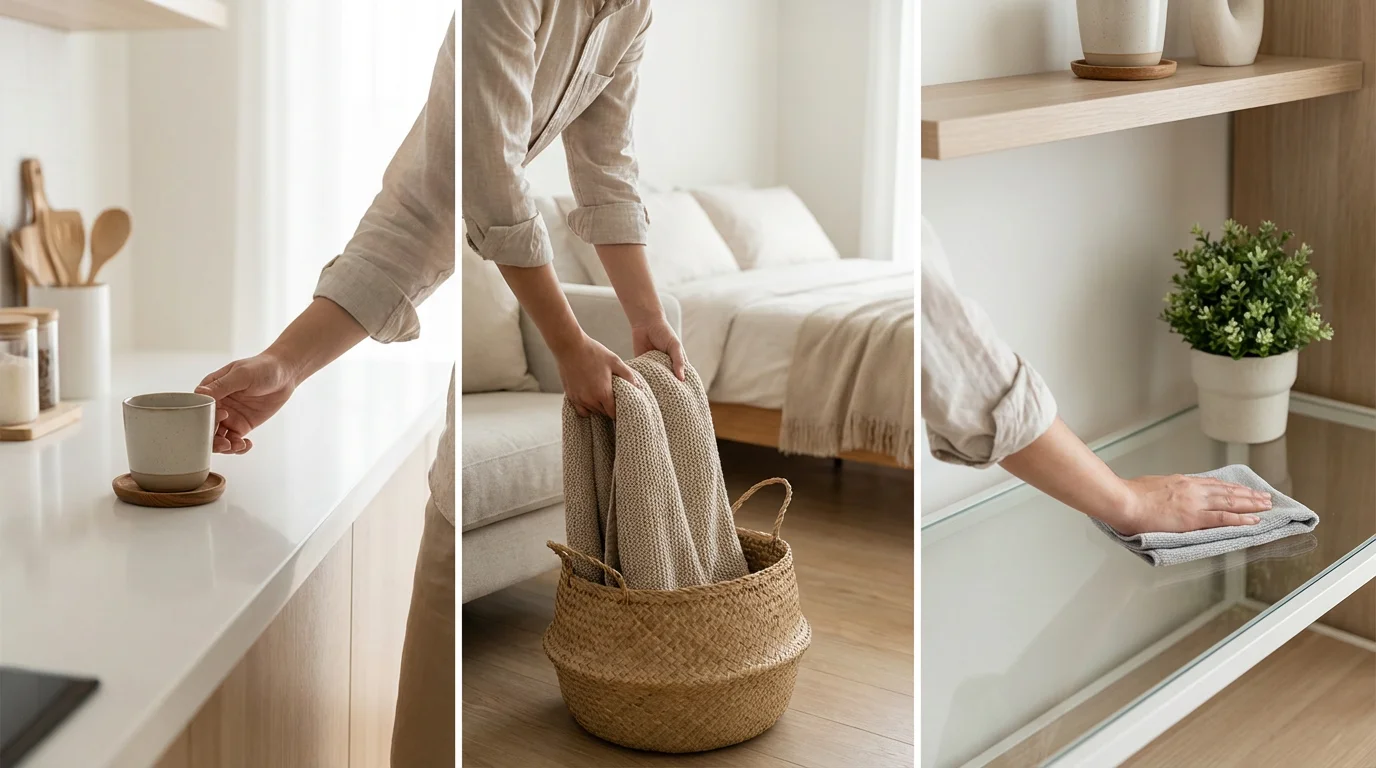
A weekend spent scrubbing counters and sorting mail rarely feels restful. Reclaiming just 15 minutes each evening prevents disarray from compounding into overwhelming weekend marathons.
By intentionally creating a minimalist home, you establish a calm environment that naturally supports mental focus and reduces daily anxiety.
If you feel too busy for a longer routine, starting with a 10-minute daily tidy-up can build the consistency needed for a cleaner home.
This guide introduces you to the 15-Minute Home Reset, a powerful daily habit designed to keep your living space consistently tidy without overwhelming effort. We will explore practical steps, actionable insights, and science-backed strategies to help you establish a sustainable routine. You will learn how to transform your home from a source of stress into a sanctuary of calm, one small, consistent action at a time.

Why a Daily 15-Minute Reset Transforms Your Home
A cluttered environment impacts more than just aesthetics. Research consistently links physical clutter to increased stress levels, decreased focus, and even poorer sleep quality. Your brain processes every item in your visual field. An orderly space reduces this cognitive load, freeing up mental energy for tasks that truly matter.
Learning how to maintain an organized home doesn’t require exhausting weekly deep cleans when you commit to these short daily check-ins.
By anchoring this routine to an existing part of your day, you can utilize habit stacking to ensure the reset becomes an automatic daily ritual.
The beauty of the 15-minute reset lies in its brevity and consistency. It leverages the power of small, compounding actions. Think of it like compound interest for your home: tiny daily deposits accumulate into significant long-term gains. You avoid the overwhelming task of a massive cleanup by addressing minor disarray before it escalates.
This approach also aligns with principles of habit formation. Breaking down a large goal, like “a perfectly tidy home,” into micro-actions makes it less daunting and more achievable. You build momentum and positive reinforcement with each completed reset, fostering a sustainable routine rather than an erratic burst of effort.
Understanding the “Reset” Mindset
The “reset” is not about deep cleaning or decluttering every possession. It is about restoring your home to a baseline level of order. Imagine hitting a reset button on your computer; you close unnecessary programs and clear temporary files, bringing it back to optimal functionality without reinstalling the entire operating system.
In many ways, establishing this routine functions as one of those keystone habits that naturally improves other aspects of your daily productivity.
For your home, this means addressing surface clutter and putting things back in their designated homes. The goal is a clear counter, a tidy living room, and a bedroom ready for rest. This mindset shifts your focus from perfection to progress, recognizing that consistent small efforts yield significant results over time.
Embracing this mindset means letting go of the need for an immaculate space at all times. Instead, you aim for functional tidiness that supports your daily activities and provides a sense of calm. You recognize that life happens, and messes are inevitable, but their impact is minimized with a reliable system for putting things back in order.

Pre-Reset Setup: Preparing for Success
Before you can effectively reset your home, you need to lay some groundwork. This initial preparation ensures your 15 minutes are spent efficiently, not wasted searching for a spot for rogue items. Think of it as creating a stable operating system for your tidiness routine.
If you have a significant amount of clutter, learning how to use the KonMari method can help you systematically sort your possessions before trying to organize them.
By optimizing your physical layout beforehand, you utilize the power of environment to make these positive routines friction-free.
Essential Preparatory Steps:
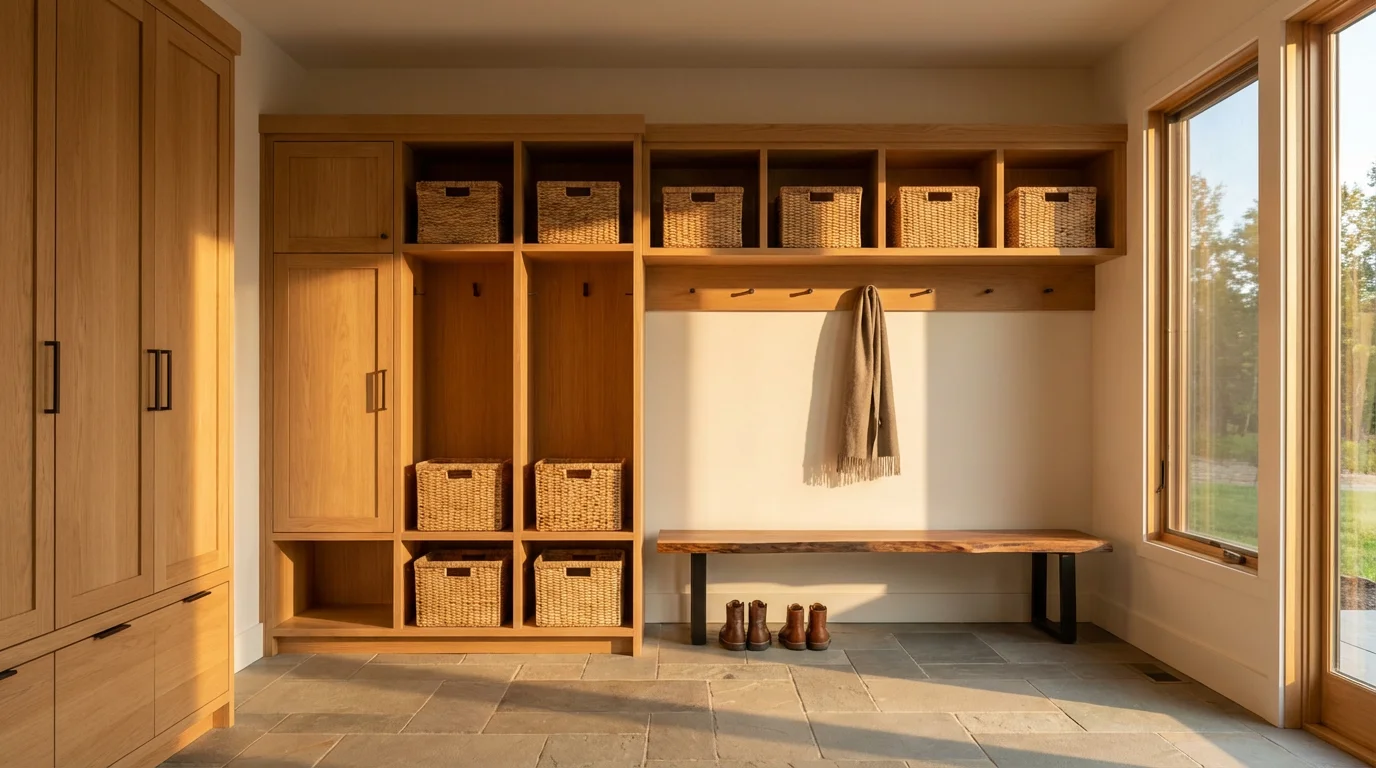
- Designate a “Home” for Everything: Every item should have a specific storage location. If something lacks a home, it becomes clutter. This clarity is fundamental to quick resets.
- Declutter First, Organize Second: You cannot organize clutter. Before starting your daily resets, dedicate time to a more significant decluttering effort. Remove items you no longer need, use, or love. This lightens the load for your daily routine.
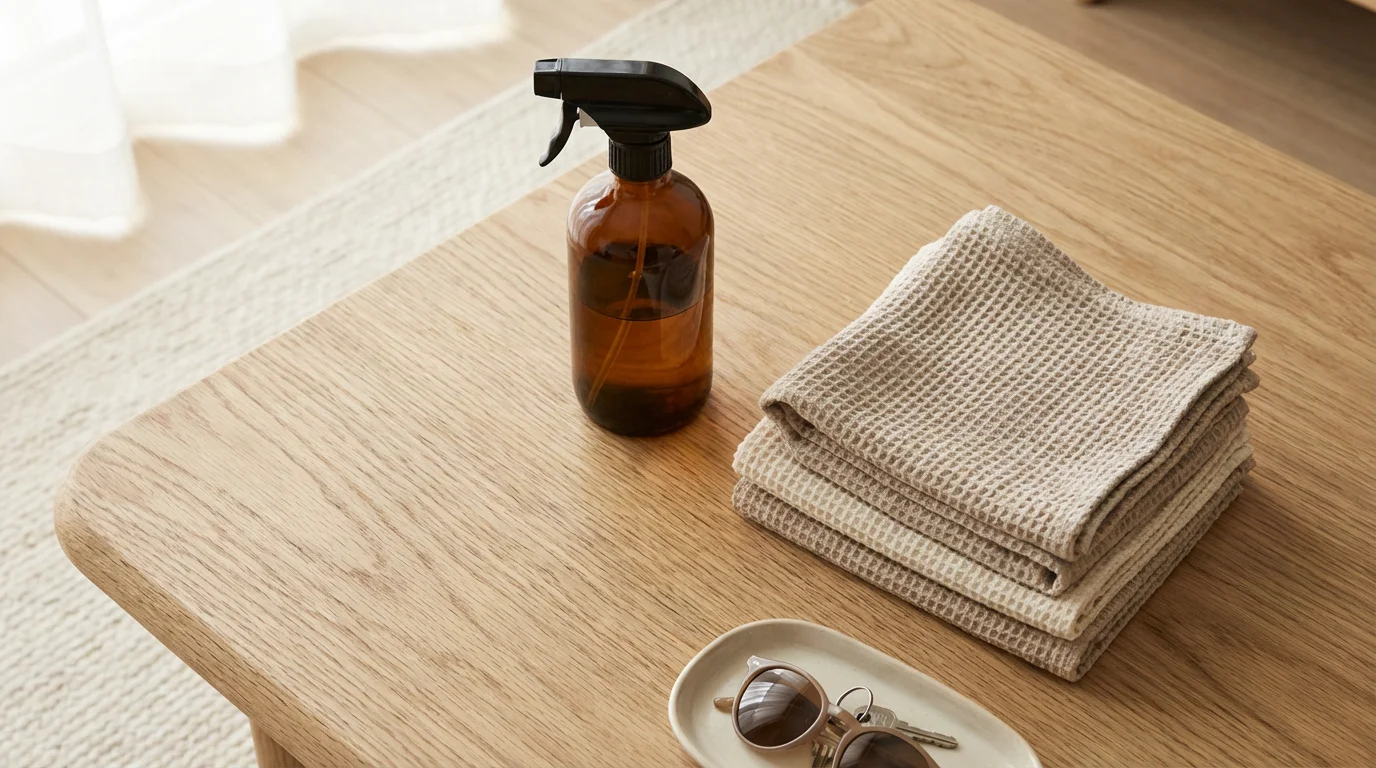
- Gather Your Tools: Keep basic cleaning supplies accessible. A small basket or caddy with a multi-surface spray, a microfiber cloth, and a trash bag makes quick clean-ups seamless.
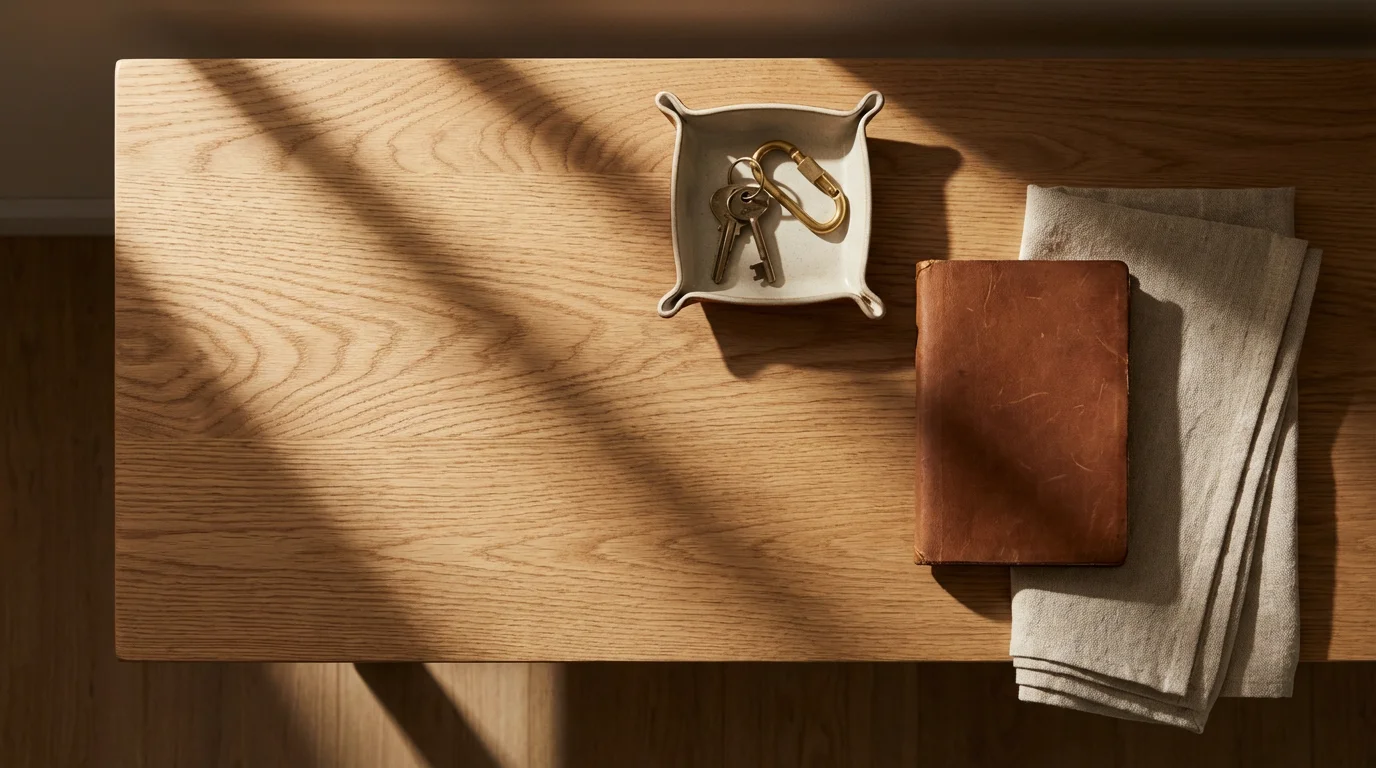
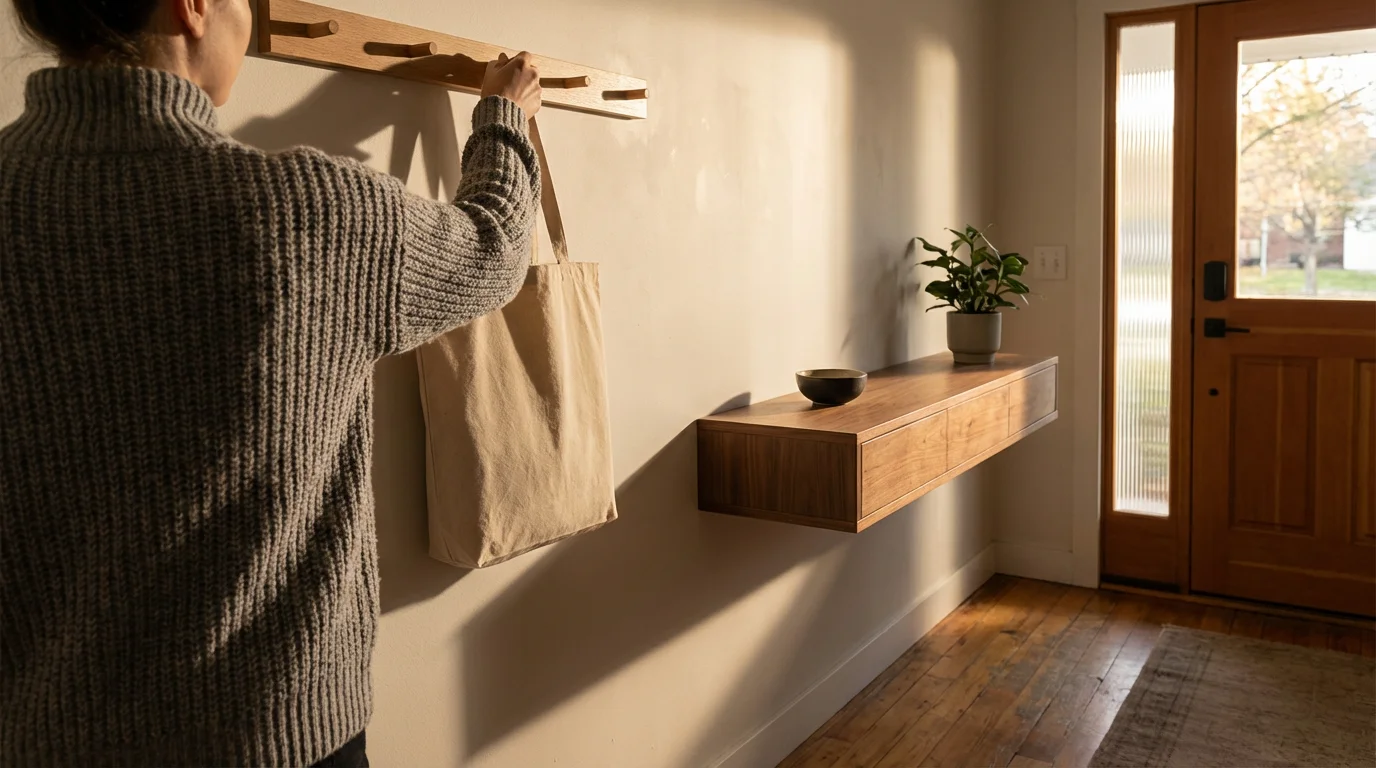
- Create “Landing Zones”: Identify areas where items tend to accumulate, such as an entryway table or kitchen counter. Develop a quick system for processing items in these zones, like a designated spot for mail or keys.
- Establish a Donation/Recycle Bin: Place an easily accessible box or bag in a discreet location for items destined for donation or recycling. As you come across things you no longer need during your reset, toss them in.
This upfront investment makes your daily 15-minute routine significantly more effective. Without designated homes, your reset turns into an exercise in shuffling clutter, which quickly leads to frustration.
For additional inspiration on simplifying, check out our guide to organized living to help streamline your physical environment.

The Core 15-Minute Home Reset Routine
The essence of the 15-minute reset is a targeted, focused effort. You are not scrubbing grout; you are returning order. Here is a step-by-step routine you can adapt:
Your 15-Minute Daily Reset:
- Set a Timer (1 minute): Start by setting an actual timer for 15 minutes. This creates a sense of urgency and prevents scope creep.
- Kitchen Surface Sweep (4 minutes):
- Load dirty dishes into the dishwasher or wash them by hand.
- Wipe down countertops and the stovetop if needed.
- Put away any items left on the counters.
- Living Area Tidy-Up (5 minutes):
- Fluff couch cushions and fold throws.
- Gather magazines, remote controls, and other stray items, returning them to their homes.
- Clear any surfaces, such as coffee tables and end tables.
- Bedroom Quick Clear (3 minutes):
- Make your bed. This simple act instantly makes the room appear tidier.
- Put away clothes, shoes, or accessories that are out of place.
- Clear your nightstand.
- Final Sweep & Trash (2 minutes):
- Do a quick walkthrough of your main living areas, grabbing any remaining out-of-place items.
- Empty small trash cans if full, or consolidate trash.
- Carry items needing to go upstairs or into another room with you as you move.
This routine is a template. Feel free to adjust the time allocations based on which areas of your home tend to accumulate the most clutter. The key is consistent, focused action within the time limit.
If any individual task takes less than a couple of minutes, use the two-minute rule to handle it immediately rather than putting it off.

Worked Example: The Evening Reset Scenario
Imagine your evening routine:
You arrive home after work. Before settling down, you grab your timer. For 4 minutes, you tackle the kitchen. Plates from lunch go into the dishwasher, the cereal box returns to the pantry, and you quickly wipe down the counter after dinner prep. Then, moving to the living room for 5 minutes, you fold the blanket left on the sofa, stack a few magazines, and put your headphones back on their hook. In the bedroom, you smooth out the duvet cover and place the shirt you tried on back in the closet for 3 minutes. The final 2 minutes are spent doing a quick mental scan, grabbing the mail from the entry table to sort later, and putting a stray shoe back in the closet. Timer dings, and your core living spaces are reset. This small effort prevents morning chaos.

Tailoring Your Reset: Adapting to Your Life
The 15-minute reset is flexible. You can adapt it to fit different life stages, schedules, and household sizes. The core principle remains: consistent, short bursts of tidying.
Adaptations for Different Lifestyles:
- Busy Professionals: Consider a “pre-bedtime” reset. This ensures you wake up to a tidy space, reducing morning stress. You can also integrate mini-resets throughout the day, such as a 5-minute desk clear during a lunch break.
- Parents with Young Children: Involve children in the process. Make “put away your toys” part of the 15 minutes. Focus on high-traffic areas where toys and school supplies tend to accumulate. You might need to split your 15 minutes into two 7-minute blocks, one in the morning and one in the evening.
- Remote Workers: Your home is your office. A morning reset can prepare your workspace for productivity, and an end-of-day reset can signal the transition from work to home life. Clear your desk, organize your files, and put away any work-related items not needed for the next day.
- Smaller Spaces/Apartments: You might only need 10 minutes. Focus on optimizing storage and keeping surfaces clear, as clutter in small spaces feels more pronounced.
“Clarity about what matters provides clarity about what does not.” — Deep Work Principle
This principle applies directly to your home reset. Prioritize what needs attention most to feel settled. If a tidy kitchen is paramount for your mental state, dedicate more of your 15 minutes there.
Worked Example: Busy Parent Morning Reset
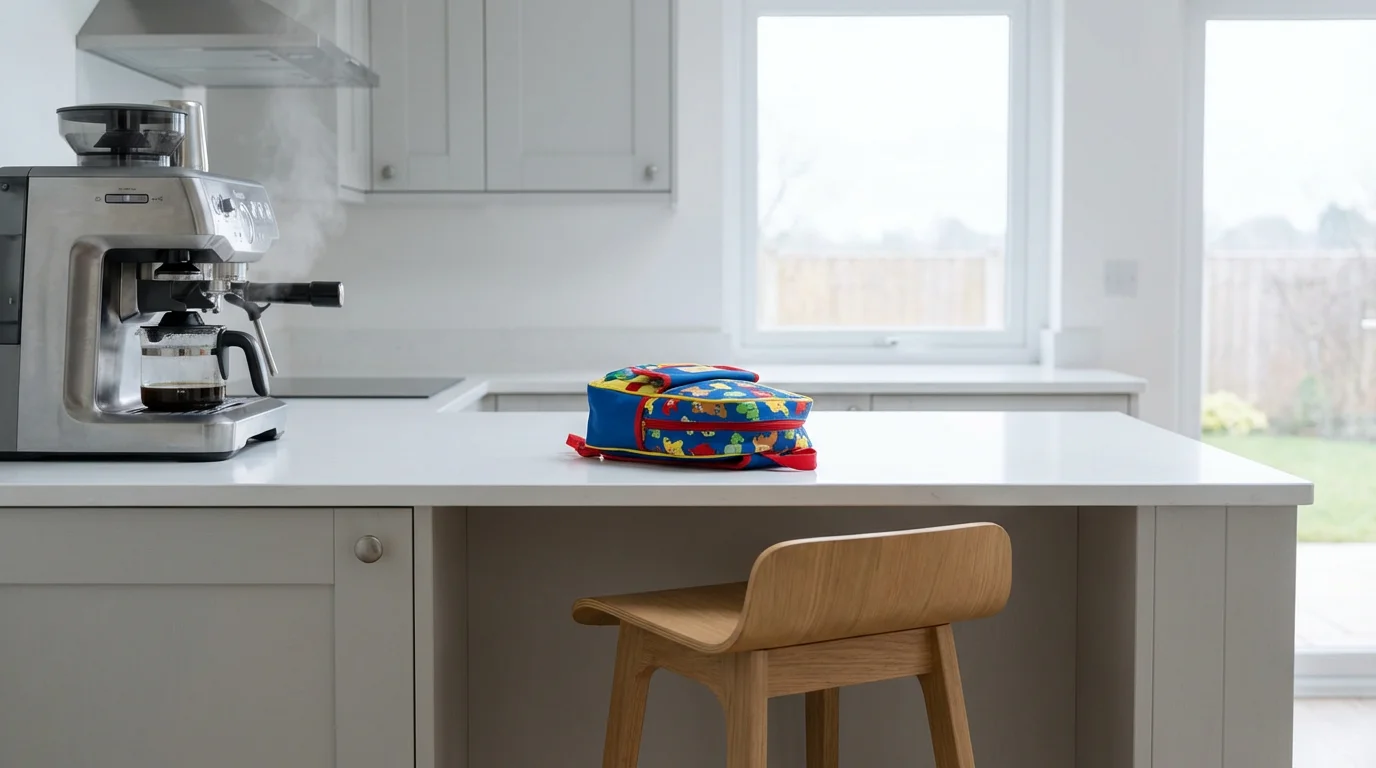
A parent with young children might split the 15 minutes. In the morning, while coffee brews, they spend 7 minutes. They quickly make their bed, clear bathroom counters, and ensure backpacks are at the door. Later, after dinner and before children’s bedtime, another 8 minutes focuses on the living room and kitchen: collecting toys, loading remaining dishes, and wiping down the dinner table. This segmented approach works well when a continuous block of time is scarce.

Overcoming Common Obstacles to Daily Tidiness
Even with the best intentions, maintaining a daily habit can be challenging. Expect these hurdles and prepare strategies to overcome them.

Common Challenges and Solutions:
- Lack of Motivation: On days when motivation is low, remember the “why.” A clean space reduces stress. Lower your expectations for that day; even 5 minutes is better than none. Play upbeat music, or turn it into a race against the timer.
- Interruptions: Life happens. If you are interrupted during your 15 minutes, pause your timer. Resume when you can. Do not let one interruption derail the entire effort.
- Feeling Overwhelmed: If 15 minutes feels like too much, start with 5 or 10. Focus on just one area, like the kitchen or your workspace. Gradually increase the time as you build momentum.
- Items Without Homes: This is a recurring issue. If you consistently find items without a place, it is a signal for another small decluttering session for that category or area. Create a “decision box” for these items, review it weekly, and either find a home, donate, or discard.
- Family Resistance: Involve your household. Explain the benefits of a tidy home. Assign specific zones or tasks. Make it a collective effort rather than a solo burden.
Remember, consistency trumps intensity. Some days will be more productive than others, and that is perfectly acceptable. The goal is to show up, even minimally.

Integrating the 15-Minute Reset into Your Daily Rhythm
Making the 15-minute reset a true habit requires integrating it seamlessly into your existing daily routines. This is where habit stacking comes into play.

Strategies for Habit Integration:
- Habit Stacking: Attach your reset to an existing, strong habit. For example, “After I finish dinner, I will do my 15-minute home reset.” Or, “Before I brush my teeth at night, I will do my 15-minute home reset.” This leverages established neural pathways.
- Choose Your Trigger: Identify a reliable trigger. Is it the end of the workday, after dinner, or just before bed? Consistency in your trigger helps cement the habit.
- Time Blocking: Schedule your 15-minute reset into your daily calendar. Treat it like any other important appointment. This visual reminder reinforces commitment.
- Accountability: Tell a family member or friend about your new routine. Sometimes, knowing someone else is aware of your goal provides extra motivation.
- Track Your Progress: Use a simple habit tracker, a calendar, or a journal to mark off each day you complete your reset. Seeing your progress can be incredibly motivating and visually reinforce consistency.
“Work expands to fill the time available for its completion.” — Parkinson’s Law
This law highlights why the 15-minute timer is so critical. Without a time constraint, your reset could easily stretch into 30 or 60 minutes, leading to burnout. The strict time limit ensures efficiency and maintainability.

Beyond the Daily Reset: Maintaining Long-Term Organization
The daily 15-minute reset is a powerful tool for consistent tidiness, but it is part of a larger ecosystem of organized living. To maintain true long-term organization, you need complementary strategies.
Enhancing Your Tidy Home Strategy:
- Weekly Check-ins (30-60 minutes): Dedicate a slightly longer block of time once a week for deeper organizing. This might involve:
- Tidying out a junk drawer.
- Wiping down bathroom sinks and mirrors.
- Dealing with accumulated mail or paperwork.
- Planning for the week ahead to prevent future clutter.
- Seasonal Deep Dives: A few times a year, schedule a more comprehensive decluttering and cleaning session. This is when you tackle closets, pantries, or garages. These larger efforts support the daily resets by preventing significant clutter creep.
- The “One In, One Out” Rule: For categories prone to accumulation, like clothing, books, or kitchen gadgets, adopt this rule. When you bring a new item into your home, one similar item must leave. This prevents overwhelming accumulation.
- Preventing Clutter Creep: Be mindful of new items entering your home. Before buying something new, ask yourself if you truly need it and where its designated home will be. Conscious consumption is a powerful decluttering tool.
- Regular Review of Systems: Your organizing systems are not static. Life changes, so review and adjust your systems periodically. What worked perfectly a year ago might need tweaking today.
Frequently Asked Questions
What if I miss a day (or several days) of my 15-minute reset?
Do not worry. Missing a day is part of life, not a failure. The goal is consistency over perfection. Simply pick up where you left off the next day. Avoid the “all or nothing” trap. If you have missed several days, consider doing a slightly longer reset (30 minutes) to catch up, then return to your 15-minute routine.
Can I do the 15-minute reset at any time of day?
Absolutely. The best time for your reset is when it works best for your schedule and energy levels. Many find an evening reset effective for waking up to a calm space, while others prefer a morning reset to start the day with order. Experiment to find your optimal window.
What if my home is too messy for just 15 minutes?
If your home feels overwhelmingly messy, the 15-minute reset is a maintenance tool, not a initial deep clean. Start with a more substantial decluttering session first, perhaps several 30-60 minute sessions over a weekend. Once you have a basic level of order, the 15-minute reset becomes highly effective for maintaining it.
How do I get my family to participate?
Involve them by explaining the benefits of a tidy home for everyone’s well-being. Assign specific, manageable tasks to each family member, making it clear what needs to be done. Make it a shared responsibility rather than a chore imposed by one person. Lead by example and celebrate small victories.
Should I focus on one room or my entire home during the 15 minutes?
For most people, a quick sweep through the main living areas (kitchen, living room, primary bedroom) is most effective. This ensures high-traffic zones remain functional. If one particular room consistently becomes a problem area, you can dedicate a larger portion of your 15 minutes to that specific zone.
This article is for informational purposes only and does not constitute professional advice. For specific personal circumstances, seek professional support as appropriate.





1 Comment