
Knowledge workers switch tasks every few minutes, leaving their brains trapped in constant attention residue. Shifting from real-time reactivity to asynchronous communication protects cognitive bandwidth and restores uninterrupted focus.
Pairing these communication boundaries with a well-designed anti-distraction workspace will further amplify your capacity for undisturbed focus.
Mastering asynchronous communication offers a powerful antidote to this chaos. By strategically shifting how you interact with your team and external partners, you create dedicated blocks for focused work. This article provides practical, actionable insights and step-by-step strategies to integrate asynchronous practices into your daily routine, helping you reclaim your time and enhance your concentration.

Understanding Asynchronous Communication: The Foundation of Focus
Asynchronous communication refers to any exchange of information that does not require an immediate, real-time response. Think of emails, project management comments, shared documents, or recorded video updates. This contrasts sharply with synchronous communication, which demands immediate attention, such as live meetings, phone calls, or instant messaging.
This approach is vital for maximizing individual productivity, giving you the autonomy needed to complete demanding tasks without constant team dependencies.
The core benefit of asynchronous communication lies in its respect for individual focus time. It empowers you to respond to messages and engage in discussions on your schedule, not someone else’s. This flexibility allows for deeper concentration on complex tasks, free from the constant pull of notifications.

Why Asynchronous Communication Boosts Focus
Implementing asynchronous communication proactively reduces the number of real-time interruptions you face. This creates larger, uninterrupted blocks of time, crucial for deep work activities. You gain control over your schedule, enabling you to dedicate prime mental energy to high-priority tasks.
To protect your deep work windows, it helps to practice intentional notification management so you aren’t constantly pulled back into a reactive state.
Research consistently highlights the benefits of focused work environments. According to experts at Harvard Business Review, minimizing interruptions significantly improves an individual’s ability to complete complex tasks efficiently. Asynchronous methods directly support this objective by reducing the ambient noise of constant digital pings.

The Hidden Costs of Synchronous Overload
Many professionals find themselves trapped in a cycle of synchronous overload. Back-to-back meetings, incessant instant messages, and the expectation of immediate email replies create a reactive work environment. This constant context-switching comes with significant hidden costs that erode your productivity and well-being.

Impact on Productivity and Focus
Each interruption, whether a meeting notification or a chat message, takes a toll. Studies show that regaining focus after an interruption can take an average of 23 minutes. If you experience multiple interruptions daily, a substantial portion of your workday dissolves into recovery time, hindering your ability to achieve sustained concentration on important projects.
Recognizing these frequent disruptions as significant productivity killers is the first step toward reclaiming your daily schedule.
Embracing a single-tasking mindset is essential to counter this fragmentation and produce higher-quality results.
This fragmented attention prevents you from entering a state of flow, where you perform your best work with minimal effort. Instead, you constantly skim the surface of tasks, never fully diving into the complexities that require deep analytical thought. This directly impacts the quality and depth of your output.

The Meeting Overload Epidemic
Meetings often serve as the primary culprit in synchronous overload. While essential for certain discussions, many meetings lack clear agendas, stray from topics, or include unnecessary participants. These inefficiencies collectively contribute to “meeting fatigue,” where you spend hours in unproductive discussions, leaving little time for actual work.
Furthermore, replacing endless calls with strategic breaks allows you to rest and maintain high cognitive performance.
You can significantly reduce meeting overload by adopting asynchronous strategies. This approach encourages pre-work, clear documentation, and thoughtful responses over immediate, live discussions. It shifts the emphasis from simply being present to contributing meaningful, well-considered input.
“Clarity about what matters provides clarity about what does not.” — Deep Work Principle

Building Your Asynchronous Communication Strategy: A Step-by-Step Guide
Transitioning to a more asynchronous approach requires intentional effort and clear guidelines. You must establish new norms for communication within your team and with external collaborators. This strategic shift benefits everyone by fostering a more thoughtful and focused work environment.

Step 1: Define Communication Channels and Expectations
Start by clearly outlining which communication channels serve which purposes. This eliminates ambiguity and reduces the likelihood of messages getting lost or requiring immediate attention unnecessarily. Create a simple, shared understanding of your communication tools.
Establishing a productive email workflow ensures that these asynchronous messages do not pile up and create a new source of stress.
- Urgent, Time-Sensitive: For critical issues requiring immediate attention (e.g., system outages, client emergencies), designate a specific channel like a dedicated instant messaging group with clear “urgent” protocols or a phone call.
- Project-Specific Discussions: Use project management tools (e.g., Asana, Jira, Trello) for task updates, feedback, and discussions directly related to project deliverables.
- General Information & Updates: Employ email or a team wiki for broader announcements, weekly reports, or information that does not require an immediate response.
- Documentation & Decisions: Store crucial decisions, meeting summaries, and long-form information in shared documents (e.g., Google Docs, Confluence) for easy asynchronous review.
Communicate expected response times for each channel. For example, you might agree to respond to emails within 24 business hours, and project comments within a specific workday. This transparency manages expectations effectively.

Step 2: Prioritize Asynchronous Work by Default
Shift your default mindset to asynchronous communication. Before scheduling a meeting or sending an instant message, ask yourself if the issue can be resolved through a written update, a shared document, or a video recording. This simple habit drastically reduces synchronous demands.
You can also leverage your devices’ built-in features, such as setting up a focus mode on your phone, to block out incoming pings while you work.
For instance, instead of scheduling a 30-minute meeting to discuss a document, you can share the document with specific questions and request comments by a certain deadline. This allows team members to review and contribute when their schedule permits, leading to more thoughtful feedback.

Step 3: Structure Asynchronous Messages for Clarity
Effective asynchronous communication requires clarity and conciseness. Since you cannot rely on immediate follow-up questions, your messages must be comprehensive and easy to understand. This practice saves time for both the sender and the receiver.
When crafting an asynchronous message, consider these elements:
- Clear Subject Line: Summarize the content succinctly.
- Context: Provide all necessary background information.
- Purpose: State what you need or expect from the recipient.
- Call to Action: Clearly define the required next steps or decisions.
- Deadline: Specify when you need a response or action.
- Attachments/Links: Include all relevant documents or references.
A well-structured message minimizes back-and-forth clarifications, streamlining the entire communication process. This improves the efficiency of your team’s interactions.

Integrating Asynchronous Practices into Your Daily Workflow
Implementing asynchronous communication successfully means integrating it seamlessly into your existing routines. This involves establishing personal habits and influencing team norms. Begin with small, manageable changes and gradually scale up.
To implement this successfully, consider using batching techniques to group your communication tasks into specific, dedicated times of day.

Scheduled Communication Blocks
Dedicate specific time blocks in your calendar for processing asynchronous communication. Treat these blocks like any other meeting or task. For example, you might schedule 30 minutes in the morning and 30 minutes in the afternoon to check and respond to emails, review project updates, and leave comments.
By grouping similar activities together, you can batch your communication tasks to protect your cognitive energy for deep work.
During your focused work blocks, mute notifications for email and chat applications. This intentional barrier protects your concentration. By only checking communications during designated times, you avoid reactive mode and maintain control over your day.

Asynchronous Meeting Protocols
Transforming your meeting culture is one of the most impactful ways to reduce meeting overload. For every meeting request, question if it genuinely requires real-time discussion. If the answer is no, propose an asynchronous alternative.
When a meeting is necessary, implement these asynchronous protocols:
- Pre-Read Materials: Share agendas, reports, or documents at least 24 hours in advance. This allows participants to review and prepare their input beforehand, making the live discussion more efficient.
- Clear Objectives: Define explicit goals for the meeting. What specific decisions must you make? What outcomes do you seek?
- Designated Notetaker: Assign someone to capture key decisions, action items, and owners.
- Post-Meeting Summary: Distribute notes and action items promptly. This serves as an asynchronous record for those who missed the meeting or need a refresher.
Adopting these practices can reduce meeting duration and improve their effectiveness. You free up valuable time for other work, which enhances overall productivity, as noted by organizations like McKinsey & Company in their research on organizational efficiency.

Example: Converting a Status Meeting
Consider a weekly project status meeting. Instead of a 60-minute synchronous call, shift to an asynchronous update. Each team member records a short video update (5-7 minutes) or writes a concise summary in a shared document, covering progress, blockers, and next steps. They share these by a specific time, say Monday morning.
Team members review these updates at their convenience, adding comments or questions directly to the document or video by end of day Tuesday. The project manager then compiles any critical discussion points or decisions that truly require live interaction, scheduling a short, targeted 15-minute synchronous “decision-only” meeting for Wednesday, if necessary. This significantly reduces the time spent in passive listening during traditional status updates.

Tools and Technologies for Effective Asynchronous Teams
Leveraging the right tools streamlines asynchronous communication, making it efficient and organized. The market offers a wide array of solutions, each designed to support different aspects of collaborative work. Select tools that integrate well with your existing ecosystem and meet your team’s specific needs.

Project Management Platforms
Dedicated project management tools are central to asynchronous collaboration. They provide a centralized hub for tasks, deadlines, and discussions, allowing team members to track progress and contribute without real-time interaction. Platforms like Asana, Trello, Jira, and Monday.com offer robust features for managing workflows.
- Task Assignment & Tracking: Clearly assign tasks, set due dates, and monitor progress.
- Comment Threads: Discuss specific tasks or documents asynchronously.
- File Sharing: Attach relevant files directly to tasks or projects.
- Roadmaps & Timelines: Visualize project progress and upcoming milestones.
These tools reduce the need for constant email chains or instant messages, as all project-related communication lives within the project itself. This ensures context and history are always readily available.

Document Collaboration Tools
Cloud-based document collaboration platforms are indispensable for asynchronous work. Google Workspace (Docs, Sheets, Slides) and Microsoft 365 (Word, Excel, PowerPoint) allow multiple users to edit, comment, and review documents simultaneously or at different times. This fosters collaborative content creation without scheduling numerous review meetings.
Utilize features such as suggested edits, comment threads, and version history. These functionalities enable team members to provide detailed feedback and track changes effectively. This makes it easier to iterate on content without requiring a live walkthrough.
Internal Communication Hubs
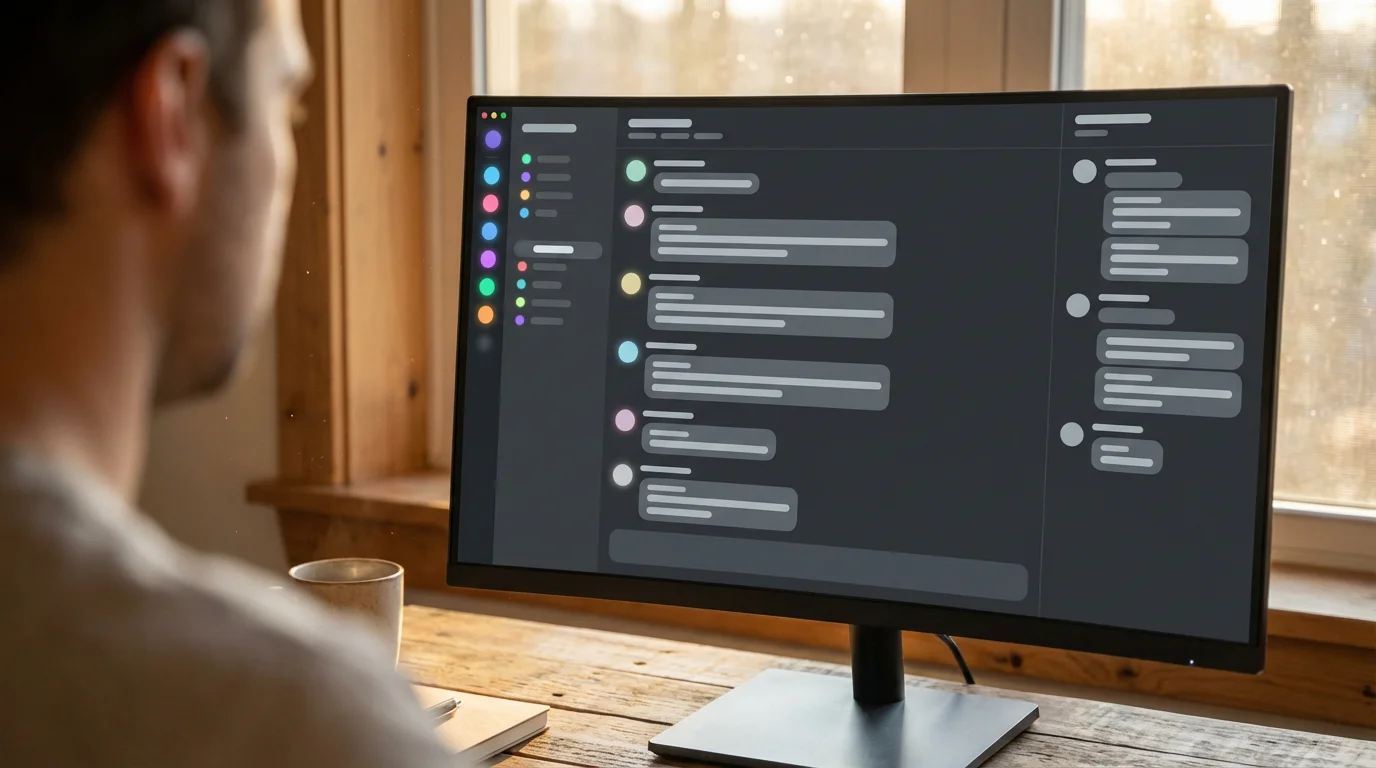
While instant messaging platforms like Slack or Microsoft Teams facilitate synchronous chat, they also offer powerful asynchronous features. Utilize dedicated channels for specific projects or topics, allowing discussions to occur over time. Threaded replies are particularly useful for keeping conversations organized and preventing information overload.
When using these platforms, establish clear guidelines to promote asynchronous habits. For example, encourage team members to use threads for detailed discussions and to tag individuals only when a direct response is truly needed. Avoid the expectation of immediate replies for general channel messages.

Video Messaging and Screen Recording
Tools like Loom or Vidyard allow you to record short videos of yourself explaining concepts, providing feedback, or demonstrating processes. These are incredibly effective for asynchronous communication because they convey tone and context better than text, yet still allow the recipient to consume the information on their own schedule.
You can use video messages for explaining complex project requirements, onboarding new team members, or providing detailed design feedback. This reduces the need for live demonstrations and ensures consistent delivery of information.

Overcoming Common Asynchronous Communication Challenges
While asynchronous communication offers significant benefits, it presents its own set of challenges. Addressing these proactively helps you maintain efficiency and avoid misunderstandings. Many of these issues stem from a lack of clarity or established norms.

Misunderstandings and Lack of Urgency
One primary challenge is the potential for misunderstandings, as text can sometimes lack the nuance of spoken language. Additionally, without the pressure of a real-time conversation, some tasks may lack perceived urgency. You can mitigate these issues through conscious effort.
Strategies to overcome these challenges include:
- Be Hyper-Clear and Explicit: Over-communicate context, purpose, and required actions. Assume the recipient lacks background information.
- Use Visuals: Incorporate screenshots, diagrams, or short video explanations to clarify complex points.
- Establish Clear Deadlines: Always provide a specific date and time for when a response or action is needed.
- Set Expectations for Response Times: Reinforce agreed-upon response windows for different channels. For example, a project management comment might have a 24-hour response expectation.
- Know When to Go Synchronous: Recognize situations where text is insufficient, such as sensitive conversations or complex brainstorming sessions requiring immediate feedback.

Maintaining Team Connection and Culture
An over-reliance on asynchronous communication can sometimes lead to a feeling of disconnection among team members, especially in remote or hybrid environments. Human connection remains a vital component of a healthy team culture. You must balance efficiency with engagement.
To foster connection while embracing asynchronous work:
- Schedule Regular Social Check-ins: Dedicate a short, optional synchronous meeting each week for non-work-related discussions.
- Create “Water Cooler” Channels: Establish dedicated chat channels for informal conversations, sharing hobbies, or celebrating personal milestones.
- Encourage Video On: When synchronous meetings are necessary, encourage participants to turn on their cameras to enhance personal connection.
- Organize Virtual Team Building: Plan occasional virtual games, coffee breaks, or informal gatherings.
Building a strong team culture relies on both efficient work practices and meaningful human interaction. Strive for a thoughtful blend of synchronous and asynchronous engagement.

Measuring Success and Continuous Improvement
Adopting asynchronous communication is an ongoing process, not a one-time fix. Regularly evaluate your strategies and make adjustments based on feedback and observable results. This iterative approach ensures your system evolves to meet your team’s changing needs.

Key Metrics to Monitor
You can track several metrics to assess the effectiveness of your asynchronous communication efforts. These metrics provide objective data on your progress and highlight areas for improvement.
- Reduction in Meeting Hours: Track the total time spent in synchronous meetings across your team. A significant decrease suggests a successful shift.
- Increase in Focused Work Blocks: Observe personal and team calendars for longer, uninterrupted periods dedicated to deep work.
- Timeliness of Responses: Monitor how consistently communication response times meet the established expectations.
- Project Completion Rates: Assess whether project milestones are being met more efficiently due to fewer interruptions and clearer communication.
- Employee Feedback: Regularly survey team members about their perception of communication clarity, workload, and overall well-being.
Use these insights to refine your guidelines and tools. For instance, if you notice a consistent delay in responses, it might indicate a need for clearer deadlines or better tool integration.

Iterative Refinement and Feedback Loops
Encourage an open dialogue about communication practices. Conduct quarterly retrospectives or dedicated “communication audits” where the team discusses what works well and what needs improvement. This fosters a culture of continuous learning and adaptation.
Consider questions such as:
- Are our communication channels serving their intended purpose?
- Are we experiencing fewer interruptions during focused work?
- Is information consistently clear and actionable in asynchronous messages?
- Do team members feel connected and supported?
- Are there specific tools or processes we need to adjust or adopt?
By actively seeking feedback and being willing to adjust, you ensure your asynchronous communication strategy remains effective and aligned with your team’s productivity goals. This commitment to continuous improvement reinforces the long-term benefits of focused work, aligning with the principles discussed by experts like Cal Newport on effective deep work strategies on his blog, Cal Newport’s Blog.
Frequently Asked Questions
How do I convince my team or manager to adopt asynchronous communication?
Start by demonstrating the benefits with small-scale experiments. Propose converting one recurring, often unproductive meeting into an asynchronous update. Share data on time saved and improved focus. Frame it as a way to enhance productivity and reduce burnout, not just to avoid meetings. Highlight how it enables deeper work, which leads to higher quality output. You can reference articles from reputable sources like Forbes or Harvard Business Review on the benefits of reducing meeting overhead, which support your case.
What if an urgent issue arises and I’m not in an asynchronous communication block?
Establish a clear, designated channel for truly urgent matters. This might be a specific chat channel or a direct phone call. Ensure your team understands that this channel is for critical issues only, not general questions. During your focused work blocks, you can set your status to “Do Not Disturb” but still allow notifications from this urgent channel to break through. This allows for essential interruptions while protecting your focus from non-critical ones.
How can I ensure my asynchronous messages are clear and understood?
Adopt a “context-rich” approach. Include all necessary background, state your purpose explicitly, define any required actions, and provide a clear deadline. Use bullet points or numbered lists to break down complex information. When possible, include screenshots or short video explanations. After sending, you can briefly follow up to confirm understanding if the topic is particularly sensitive or complex. Over-communicate rather than under-communicate when you cannot have an immediate dialogue.
Won’t asynchronous communication slow down decision-making?
Not necessarily. While it might feel slower initially, well-executed asynchronous communication often leads to more thoughtful and higher-quality decisions. By allowing team members time to consider information and formulate responses, you avoid rushed decisions made under pressure in synchronous settings. For time-sensitive decisions, you can set aggressive asynchronous response deadlines or reserve critical, time-bound decisions for short, focused synchronous huddles.
How do I avoid feeling disconnected from my team when working asynchronously?
Actively schedule opportunities for informal, synchronous connection. This could include a weekly “virtual coffee” chat, a dedicated non-work chat channel, or brief video calls to check in with colleagues. Emphasize the importance of human connection and encourage team members to reach out directly if they need a quick chat. Balance structured asynchronous work with intentional social interactions to maintain team cohesion and a positive work culture.
This article provides information for general informational purposes only and does not constitute professional advice. You should not rely on this information as a substitute for professional medical, psychological, or legal advice. Always seek the advice of a qualified professional for any questions you may have regarding your specific circumstances.