🎯 The Focused Method
  • Habit Building
  • Time Management
  • Productivity Hacks
  • Digital Wellness
  • Mindset & Focus
  • Organized Living

The Power of ‘Vertical Storage’: Maximizing Space and Minimizing Clutter

August 19, 2026 · Organized Living
The Power of ‘Vertical Storage’: Maximizing Space and Minimizing Clutter - guide

In today’s fast-paced world, finding peace and productivity often starts with the physical environment. A cluttered space translates to a cluttered mind, hindering focus and efficiency. For many busy professionals and knowledge workers, limited horizontal surface area becomes a significant challenge, creating an endless battle against accumulating items. This article explores the transformative potential of vertical storage, a powerful strategy to reclaim your space, streamline your routines, and foster an environment conducive to deep work and organized living.

Vertical storage involves utilizing the height of your walls, cabinets, and furniture to organize and store items, rather than relying solely on flat surfaces. This approach not only maximizes available square footage but also makes items more visible and accessible. By strategically thinking upwards, you unlock hidden potential in even the smallest spaces, turning previously unused areas into functional, organized zones. This shift in perspective offers practical, actionable insights for anyone seeking to minimize clutter and optimize their home or office.

Table of Contents

  • Understanding the Clutter Challenge
  • The Core Principles of Vertical Storage
  • Strategic Vertical Solutions for Every Zone
  • Implementing Vertical Storage: A Step-by-Step Approach
  • Choosing the Right Vertical Storage Tools
  • Optimizing Your Vertical Systems
  • Common Pitfalls and How to Avoid Them
  • Frequently Asked Questions
  • Disclaimer
Messy home office desk covered in papers and clutter during the morning
Visual clutter competes for your attention, often leading to increased stress and reduced focus.

Understanding the Clutter Challenge

Clutter does more than just occupy physical space; it exerts a measurable psychological toll. Research suggests that excessive visual stimuli, often caused by disorganized environments, can overwhelm our brains and reduce our ability to focus. When your workspace or living area is cluttered, your attention constantly shifts, fragmenting your cognitive resources. This leads to increased stress, diminished productivity, and a pervasive sense of being overwhelmed, undermining your efforts toward organized living.

The primary culprit in many homes and offices is the horizontal surface. Desks, countertops, floors, and tables naturally attract items seeking a temporary home. What starts as a convenient landing spot for mail or a coffee mug quickly escalates into a pile of papers, electronics, and miscellaneous objects. This accumulation happens subtly, often unnoticed until the usable space shrinks dramatically, forcing you to navigate around obstructions rather than working efficiently within your environment.

Many busy professionals face constraints on physical space, particularly in urban living or home office setups. Apartments are often compact, and dedicated office areas may be small or multi-functional. Without a deliberate strategy for space utilization, items spill over, creating visual noise and making it difficult to maintain a clear distinction between work and personal life. Recognizing this inherent challenge is the first step toward effective home organizational strategies.

Macro close-up of a brass wall hook and leather strap with dramatic shadows.
Utilizing vertical space with simple hardware transforms empty walls into functional storage zones.

The Core Principles of Vertical Storage

Vertical storage offers a powerful counter-strategy to horizontal sprawl by leveraging the underutilized dimension of height. Instead of spreading items out across a surface, you stack, hang, or mount them vertically. This fundamental shift frees up valuable horizontal real estate, making your rooms feel more open, functional, and organized. It transforms unused wall space or the inside of cabinets into active storage zones, dramatically increasing your storage capacity without expanding your footprint.

The benefits of adopting a vertical approach extend beyond mere aesthetics. You gain increased storage capacity, often doubling or tripling what a horizontal-only system could offer. Improved visibility means you can quickly locate items, reducing wasted time searching. Easier cleaning becomes a natural byproduct, as fewer items sit directly on surfaces, allowing for quicker wipe-downs. Ultimately, a well-implemented vertical organization system contributes significantly to your overall sense of calm and control, supporting a more focused and productive lifestyle. This is a foundational element of effective organization.

  • Maximize Capacity: Utilize every inch from floor to ceiling, turning dead space into active storage.
  • Enhance Visibility: Arranging items vertically often makes them easier to see and retrieve, reducing visual clutter on surfaces.
  • Improve Accessibility: Grouping items by category and storing them vertically ensures that frequently used objects are within easy reach.
  • Streamline Cleaning: Keeping items off horizontal surfaces simplifies dusting and wiping, maintaining a tidy environment with less effort.
  • Create Visual Order: Vertical lines can make a space appear taller and more expansive, contributing to a sense of calm and structured order.
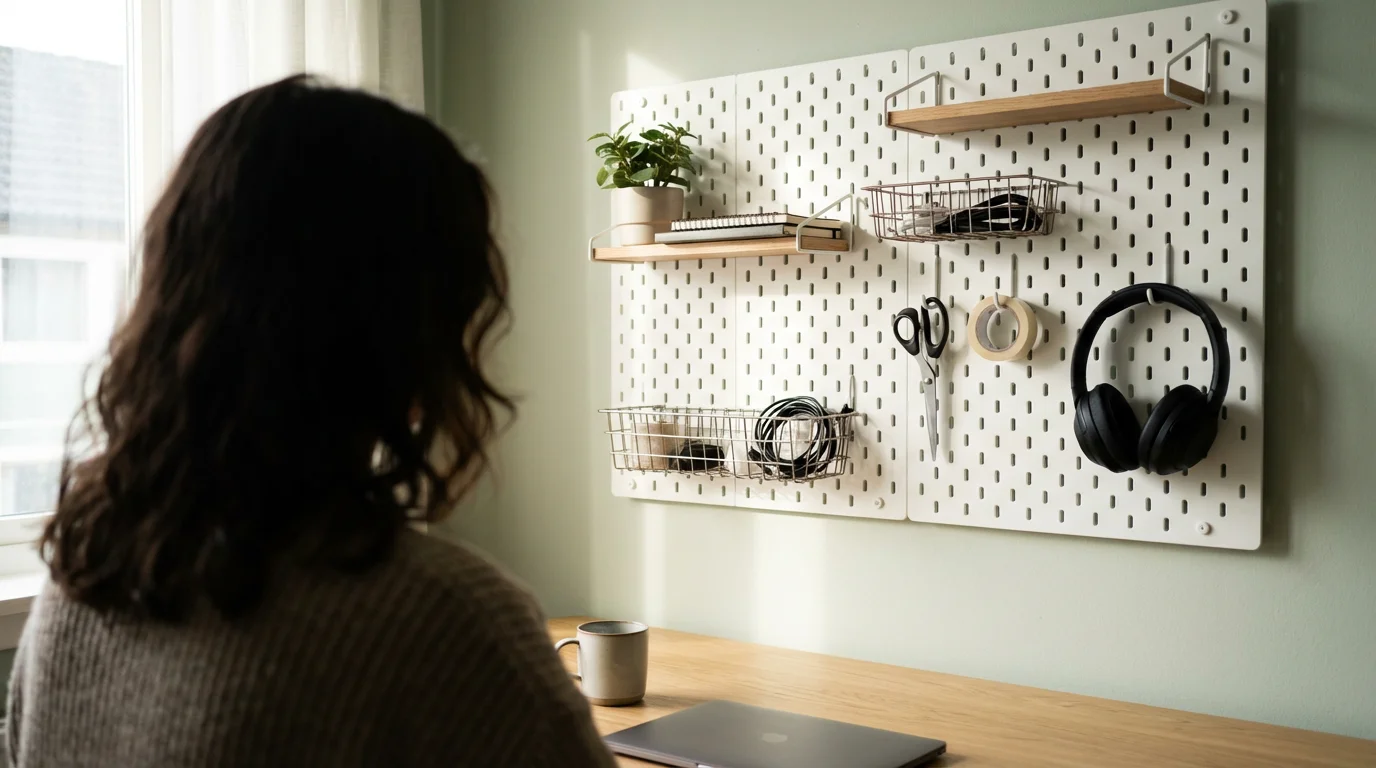
Over-the-shoulder view of organized home office with wall-mounted pegboard storage.
Transform dead wall space into active storage to keep your primary work surface clear.

Strategic Vertical Solutions for Every Zone

Implementing vertical storage requires tailoring solutions to the specific needs of each area in your home or office. Different zones have distinct types of items and usage patterns, necessitating varied approaches to maximize space effectively. Consider the function of each area before selecting your organizational tools and methods. This targeted approach ensures your chosen home organizational strategies are both practical and sustainable.

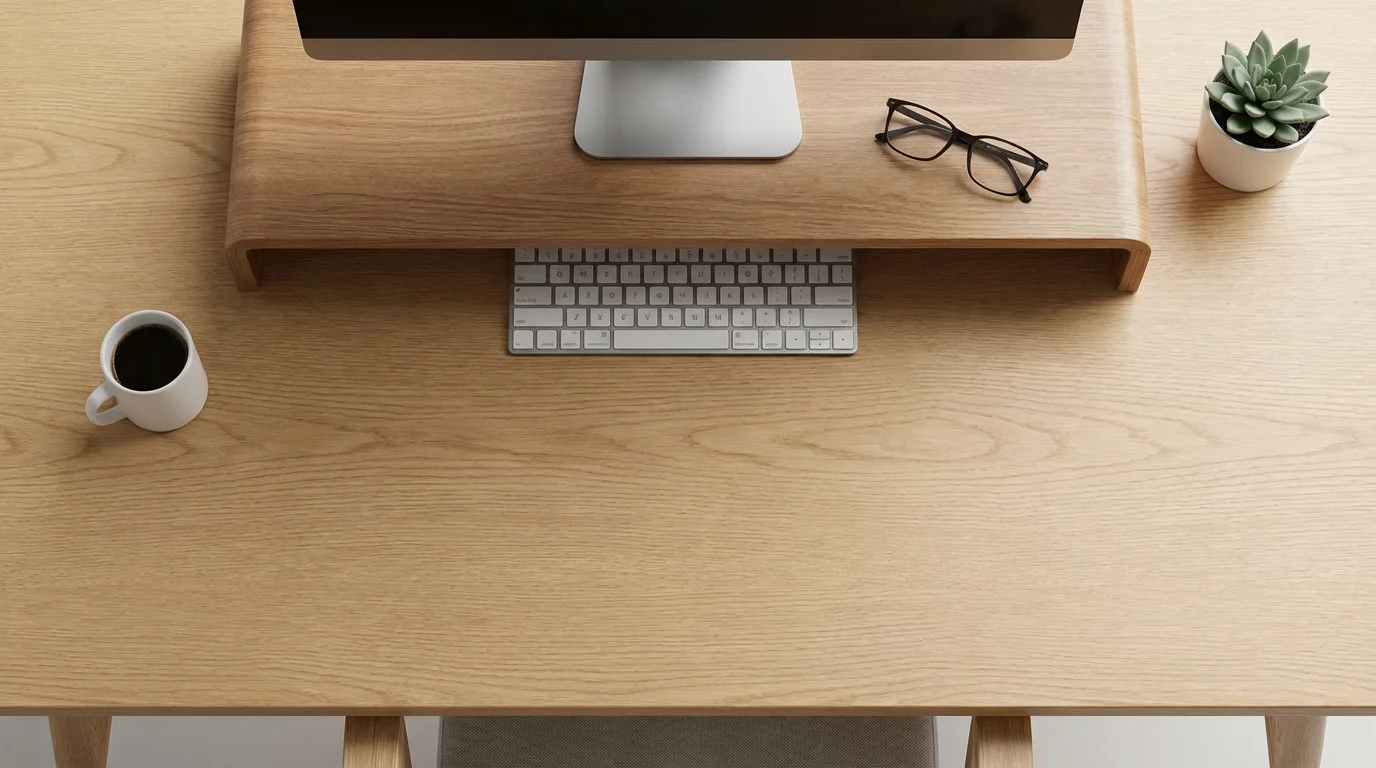
Overhead flat lay of clean desk with monitor riser and keyboard tucked underneath.
Reclaim your desktop surface by utilizing risers to lift screens and tuck away peripherals.

Office or Workspace

Your desk is ground zero for productivity, but also for clutter. Vertical solutions here reclaim your focus. Wall-mounted shelving above your desk provides immediate access to frequently used books, files, or supplies, keeping your desktop clear for current tasks. Pegboards offer flexible storage for tools, headphones, or stationery, allowing you to customize layouts as your needs evolve. Monitor risers with integrated drawers lift your screen to an ergonomic height while offering discreet storage for pens, notes, and small gadgets. Vertical file sorters on your desk or shelves keep documents upright and contained, preventing paper piles from forming. These tools are crucial for small space organization.

For example, imagine a typical desk overwhelmed by papers, an external hard drive, and various stationery items. By installing a pair of floating shelves above the desk, you relocate books and binders upwards. A pegboard next to the monitor holds headphones, charging cables, and scissors, freeing up valuable desk space. This shift transforms a chaotic workspace into a streamlined hub where everything has a designated vertical home, supporting a clearer mind for focused work.

Kitchen counter with hanging copper pots and tiered spice rack in golden hour light.
Reclaim your counter space by installing hanging rails and tiered organizers for everyday essentials.

Kitchen

Kitchens, with their myriad utensils, pantry items, and small appliances, are prime candidates for vertical organization. Pantry risers or stackable shelves allow you to utilize the full height inside cabinets, preventing items from getting lost at the back. Pot and pan organizers store cookware vertically, separating lids and pans efficiently. Tiered spice racks keep your seasonings visible and accessible, eliminating rummaging through a flat drawer. Wall-mounted utensil holders or magnetic knife strips free up drawer space and keep essential tools within reach. Even under the sink, stackable bins or pull-out drawers can double your storage for cleaning supplies.

Consider a small kitchen cabinet where spices tumble over each other. Introducing a three-tier spice rack immediately organizes them by height, making every jar visible. Similarly, installing an over-the-cabinet door organizer for cutting boards or foil boxes frees up counter or drawer space. These simple adjustments significantly enhance a kitchen’s functionality and organization.

Open dresser drawer with vertically folded t-shirts and organizers in natural light.
Drawer inserts and vertical folding transform chaotic clothing piles into an accessible, organized file system.

Bedroom or Closet

Bedrooms often suffer from clothes, accessories, and personal items encroaching on living areas. Vertical solutions are indispensable here. Shelf dividers keep stacks of clothing neat and prevent them from toppling over. Hanging organizers inside closets, with multiple compartments, store shoes, accessories, or folded garments, maximizing hanging rod space. Over-the-door solutions for shoes, jewelry, or scarves use otherwise ignored surfaces. Drawer inserts create vertical divisions within drawers, preventing items from mixing. Even bed risers can create significant under-bed storage space, allowing for vertical stacking of containers. Effective small space organization in the bedroom often involves looking upwards.

Imagine a closet floor littered with shoes. An over-the-door shoe organizer immediately lifts them off the floor, making them visible and accessible. Inside the closet, a canvas hanging organizer transforms one section of the rod into several shelves for sweaters or handbags. These changes keep items contained and off the floor, creating a sense of order and calm.

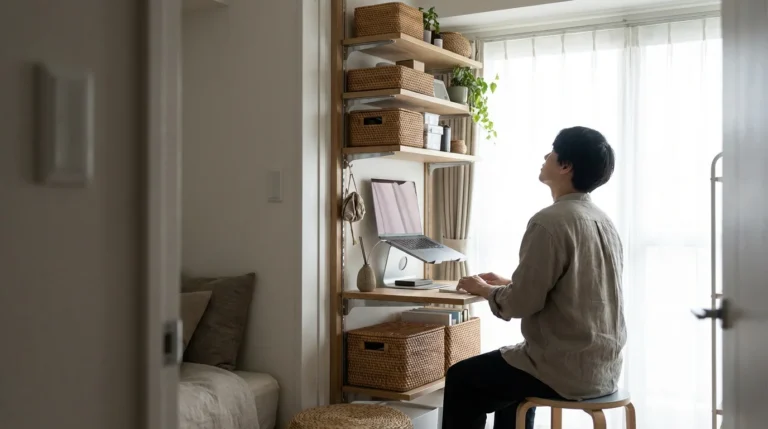
Modern living room featuring tall vertical bookshelves and floating shelves with organized decor.
Utilize vertical height with floor-to-ceiling shelving to display decor and conceal daily clutter.

Living Areas

Living spaces are often multi-functional and can quickly accumulate books, media, and decorative items. Tall, narrow bookcases draw the eye upwards and provide extensive storage for books, décor, and even concealed baskets for remote controls or charging cables. Floating shelves offer flexible display options without occupying floor space, perfect for showcasing art or small collections. Entertainment centers with integrated vertical shelving consolidate media, game consoles, and movies into one organized unit. Storage ottomans or benches, while primarily horizontal, can contribute by allowing vertical stacking of items within them, such as blankets or magazines.

Low angle view of organized wooden pegboard storage wall in a bright home office.
Going vertical with customizable wall organizers turns dead space into a functional productivity zone.

Implementing Vertical Storage: A Step-by-Step Approach

Transforming your space with vertical storage involves more than simply buying new shelves. It requires a thoughtful, systematic approach to ensure lasting organization. Follow these steps to effectively implement vertical solutions and create an environment that supports your productivity and peace of mind.

  1. Step 1: Assess Your Space and Needs (15-30 minutes per zone)

    Begin by identifying the areas in your home or office that experience the most clutter. Look at your desk, kitchen counters, closet shelves, or any horizontal surface that tends to accumulate items. Take measurements of the available vertical space, including wall height, cabinet interior dimensions, and distances between shelves. Consider what types of items are causing the most issues. Are they papers, books, tools, clothes, or kitchenware? Understanding the problem areas and item types guides your choice of solutions.

  2. Step 2: Declutter Ruthlessly (1-2 hours per zone, or more)

    This step is non-negotiable. You cannot organize clutter effectively; you only move it around. Before introducing any new storage, remove everything from your chosen zone. Sort items into categories: keep, donate, toss, or relocate. Be honest about what you truly need and use. For items you keep, consider how often you access them. Less frequently used items can go higher or lower, while daily essentials need prime vertical real estate. This decluttering phase is foundational for successful organization.

  3. Step 3: Plan Your Vertical Solutions (30-60 minutes)

    With your space assessed and decluttering complete, sketch out potential layouts. Think about where you can add shelves, hooks, or containers. Consider the items you kept and how they might fit into vertical systems. Research different types of vertical storage products, such as wall shelves, pegboards, stackable drawers, or over-the-door organizers. Prioritize solutions that offer flexibility and can adapt to your evolving needs. This planning helps visualize the new organization before making purchases, making your small space organization efforts more efficient.

  4. Step 4: Install and Arrange (Variable time, depending on complexity)

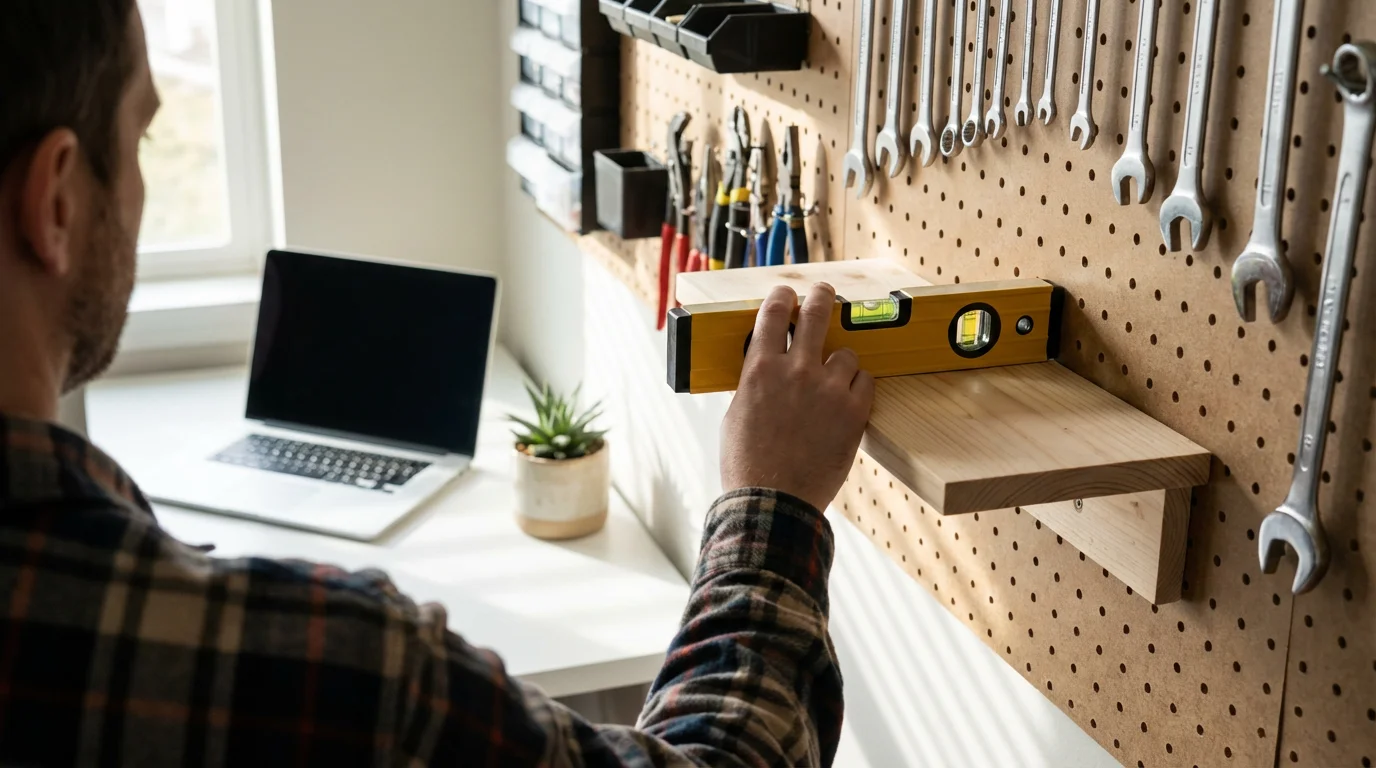
    Once you have your chosen vertical storage tools, install them carefully. Ensure shelves are level and secure. Then, arrange your kept items strategically. Place items you use daily or weekly at eye level or within easy reach. Less frequently accessed items can go on higher shelves or in lower cabinets. Group similar items together. For example, all office supplies on one shelf, all kitchen tools on another. This methodical arrangement ensures functionality and maintains a visually cohesive system, reinforcing your home organizational strategies.

Person comparing wooden shelves and metal brackets for vertical storage organization.
Balancing aesthetics and function: comparing the warmth of wood against the durability of metal components.

Choosing the Right Vertical Storage Tools

The market offers a vast array of vertical storage solutions, each designed to address specific organizational challenges. Selecting the right tools depends on your space, your items, and your aesthetic preferences. Focus on functionality and durability to ensure your investment serves you well over time.

  • Shelving: The quintessential vertical storage solution.
    • Fixed shelves: Sturdy and permanent, ideal for books or heavy items.
    • Floating shelves: Visually light and modern, perfect for displaying decor or light storage.
    • Adjustable shelving units: Offer flexibility to change shelf height as your storage needs evolve, excellent for pantries or closets.
  • Drawer Units:
    • Stackable drawers: Create vertical towers of contained storage without needing to mount them.
    • Wheeled carts with drawers: Provide mobile vertical storage, useful for craft supplies or office overflow.
  • Wall Organizers:
    • Pegboards: Incredibly versatile for tools, craft supplies, or kitchen utensils, allowing for custom layouts with hooks and bins.
    • Magnetic strips: Ideal for knives in the kitchen or small metal tools in a workshop.
    • Wall pockets/pouches: Fabric or mesh pockets for mail, magazines, or small accessories.
  • Specialized Items:
    • Tiered racks: For spices, cans, or toiletries, maximizing height within cabinets.
    • Over-the-door organizers: Utilize often-ignored door space for shoes, towels, or cleaning supplies.
    • Desk risers/hutch units: Add vertical levels to your desk, providing additional storage and ergonomic benefits.

When selecting tools, consider the material. Metal offers durability and an industrial look, while wood provides warmth. Plastic is lightweight and often more affordable. Always measure your space accurately and compare dimensions of potential storage solutions before purchasing. Many budget-friendly options exist that do not compromise on effectiveness or aesthetics, allowing you to implement robust home organizational strategies without significant cost.

Person organizing glass jars on vertical wooden pantry shelves in moody afternoon sunlight.
Regular maintenance of your vertical systems ensures clutter doesn’t reclaim your optimized space.

Optimizing Your Vertical Systems

Installing vertical storage is just the beginning. To truly harness its power, you need to establish practices that maintain and optimize your systems. Effective organization is an ongoing process, not a one-time event. Integrate these habits to ensure your vertical solutions continue to serve you efficiently.

  • Label Everything Clearly: Once items are stored vertically, especially in opaque containers, clear labels become essential. Labeling helps you and anyone else in the household quickly identify where items belong and where to find them. This reduces friction in daily routines and prevents new clutter from forming.
  • Group Similar Items: Store like with like. All pens in one vertical cup, all cleaning supplies in one stackable bin. This makes retrieval and replenishment simple, enhancing the functionality of your organization.
  • Prioritize Accessibility: Place frequently used items at eye level or within easy reach. Items you use occasionally can go on higher or lower shelves. This thoughtful arrangement minimizes effort and maximizes daily efficiency.
  • Conduct Regular Maintenance Checks: Set aside 10-15 minutes weekly or monthly to quickly scan your vertical systems. Tidy up misplaced items, remove anything that has accumulated, and ensure labels are still accurate. This small investment of time prevents major reorganization efforts later.
  • Embrace Flexibility: Your needs will change over time. Be prepared to adapt your vertical storage systems as your routines, hobbies, or household items evolve. Vertical solutions are often modular, making adjustments relatively straightforward.

“Work expands to fill the time available for its completion.” — Parkinson’s Law

Just as work expands to fill available time, clutter can expand to fill available space. Regular maintenance prevents this expansion, ensuring your organized systems remain functional and effective. This continuous attention is a critical component of sustainable organization.

Low angle view of tall living room shelving with rolling library ladder in natural light.
Ensuring accessibility for high shelves is crucial to avoiding the common pitfall of unreachable clutter.

Common Pitfalls and How to Avoid Them

While vertical storage offers immense benefits, some common mistakes can derail your efforts. Recognizing these pitfalls helps you navigate your organizational journey more smoothly and achieve lasting results. Avoid these traps to ensure your home organizational strategies are successful.

  • Buying Storage Before Decluttering: This is arguably the biggest mistake. Purchasing shelves or bins before you know what you truly need to store often leads to buying too much, the wrong types, or simply using new containers to store old clutter. Always declutter first to understand your actual storage requirements.
  • Over-stuffing Vertical Units: Even vertical storage has its limits. Jamming too many items onto a shelf or into a bin makes it difficult to retrieve anything and quickly leads to a return to disarray. Leave a little breathing room in your containers and on your shelves.
  • Ignoring Accessibility: Storing all your daily essentials on the highest shelf might look tidy, but it creates unnecessary friction in your routine. Think about how often you use an item and place it accordingly within your vertical system. Accessibility drives sustained organization.
  • Not Measuring Properly: A beautiful shelf is useless if it does not fit the wall space or if your items do not fit on it. Always measure your available space and the items you intend to store before making any purchases. This attention to detail prevents frustration and wasted money, especially in small space organization.
  • Lack of System Maintenance: Organization is not a one-time project; it is an ongoing practice. Without regular tidying, labeling, and occasional reassessments, even the best vertical systems will eventually succumb to clutter. Schedule quick, consistent check-ins to maintain order.

Frequently Asked Questions

Is vertical storage only for small spaces?

Absolutely not. While vertical storage proves incredibly beneficial in small spaces, it offers significant advantages in larger homes and offices as well. It maximizes storage capacity, enhances visibility, and creates a more aesthetically pleasing, organized environment regardless of room size. The principles apply universally to anyone seeking better organization.

How do I start if my space feels overwhelming?

Start small. Pick one small area, like a single desk drawer, a kitchen cabinet, or a section of a bookshelf. Focus on decluttering and organizing that one specific zone vertically. Achieving success in a small area builds momentum and confidence to tackle larger projects. Remember, consistency beats intensity in organization.

What if I rent and cannot drill into walls?

Many renter-friendly vertical storage solutions exist. Consider freestanding shelving units, over-the-door organizers, stackable bins, tension rods for temporary shelves, and adhesive hooks that remove cleanly. Bookshelves, even tall narrow ones, offer substantial vertical storage without requiring wall modification. Explore options that use gravity or tension rather than permanent fixtures.

How often should I reorganize?

The frequency depends on your lifestyle and the area. A quick daily tidy of high-traffic zones, like your desk or kitchen counter, prevents accumulation. A deeper refresh of specific vertical systems, such as a closet or pantry, might be beneficial quarterly or bi-annually. The key is consistent maintenance, not infrequent, massive overhauls.

Does vertical storage always look good?

Vertical storage, when implemented thoughtfully, can significantly enhance a space’s aesthetic. Choose storage solutions that complement your existing decor. Opt for cohesive colors and materials. Open shelving works well for attractive items or neatly organized containers, while closed cabinets conceal less sightly necessities. The goal is both functionality and visual appeal.

Can vertical storage help with digital clutter?

While primarily a physical organization strategy, the mindset behind vertical storage translates to digital organization. Think of nesting folders on your computer, using sub-categories for emails, or employing hierarchical note-taking systems. Organizing digital files into vertical structures helps you maximize visibility and minimize digital “clutter” on your desktop or in your inbox.

Flat lay of blank notebook, tape measure, and construction tools on wooden table in sunlight.
Before drilling into walls, always verify structural integrity and seek professional advice if unsure.

Disclaimer

The information provided in this article is for general informational purposes only and does not constitute professional advice. While we strive for accuracy, the content is not intended as a substitute for expert guidance. You should consult with relevant professionals for advice tailored to your specific situation, particularly concerning health, financial, or legal matters. Always seek the advice of a qualified professional for any questions you may have regarding a medical or psychological condition.

Share this article

Facebook Twitter Pinterest LinkedIn Email

Leave a Reply Cancel reply

Your email address will not be published. Required fields are marked *

Search

Latest Posts

  • The Power of ‘Vertical Storage’: Maximizing Space and Minimizing Clutter - guide The Power of 'Vertical Storage': Maximizing Space and Minimizing Clutter
  • Create a ‘Focus Zone’: Designing Your Workspace for Optimal Concentration - guide Create a 'Focus Zone': Designing Your Workspace for Optimal Concentration
  • Leveraging the Power of ‘Temptation Bundling’: Combining Enjoyment with Essential Tasks - guide Leveraging the Power of 'Temptation Bundling': Combining Enjoyment with Essential Tasks
  • Taming The Plateau: 3 Secrets to Getting Past Habit Stagnation - guide Taming The Plateau: 3 Secrets to Getting Past Habit Stagnation
  • Atomic Habits Upgrade: Supercharging small changes for big impact - guide Atomic Habits Upgrade: Supercharging small changes for big impact
  • Sustainable Productivity: How to Achieve Peak Performance Without Burning Out - guide Sustainable Productivity: How to Achieve Peak Performance Without Burning Out
  • Email Zero Alternative: A Smarter Way to Manage Your Inbox and Reclaim Your Time - guide Email Zero Alternative: A Smarter Way to Manage Your Inbox and Reclaim Your Time
  • The ‘One-Touch’ Rule: Instantly Boost Your Productivity by Handling Items Once - guide The 'One-Touch' Rule: Instantly Boost Your Productivity by Handling Items Once
  • Beyond Mindfulness: Advanced Techniques for Deep Focus in Noisy Environments - guide Beyond Mindfulness: Advanced Techniques for Deep Focus in Noisy Environments
  • Train Your Brain: The Cognitive Exercises That Boost Mental Clarity and Focus - guide Train Your Brain: The Cognitive Exercises That Boost Mental Clarity and Focus

Newsletter

Get productivity tips and insights delivered to your inbox.

Related Articles

Create a ‘Focus Zone’: Designing Your Workspace for Optimal Concentration - guide

Create a ‘Focus Zone’: Designing Your Workspace for Optimal Concentration

Design your personal focus zone to maximize concentration and productivity. Learn actionable steps for decluttering,…

Read More →
How to Simplify Your Life with a Capsule Wardrobe - comprehensive guide

How to Simplify Your Life with a Capsule Wardrobe

Optimizing how you dress is one of several powerful morning habits that will change your…

Read More →
The Only 5 Things You Need in Your Workspace to Stay Focused - comprehensive guide

The Only 5 Things You Need in Your Workspace to Stay Focused

If you suspect your current environment is sabotaging your focus, intentional design is the only…

Read More →
How to Organize Your Digital Files for a Stress-Free Workflow - comprehensive guide

How to Organize Your Digital Files for a Stress-Free Workflow

Implementing smart storage solutions in your physical environment can provide the mental bandwidth needed to…

Read More →
Declutter Your Life: A Room-by-Room Guide to Organized Living - comprehensive guide

Declutter Your Life: A Room-by-Room Guide to Organized Living

Streamline your life and boost productivity with this room-by-room guide to organized living, featuring actionable…

Read More →
How to Organize Your Kitchen for Effortless Meal Prep - comprehensive guide

How to Organize Your Kitchen for Effortless Meal Prep

The Sunday afternoon dream is always the same: a calm, focused session of meal prepping…

Read More →
The One-Touch Rule: How to Organize Your Mail & Paperwork - comprehensive guide

The One-Touch Rule: How to Organize Your Mail & Paperwork

While this method focuses on physical items, mastering a two-touch rule can help you apply…

Read More →
Your Guide to a Productive “No-Clutter” Desk - comprehensive guide

Your Guide to a Productive “No-Clutter” Desk

Take a look at your desk right now. What do you see? If the answer…

Read More →
The 10-Minute Daily Tidy-Up: A Habit for a More Organized Life - comprehensive guide

The 10-Minute Daily Tidy-Up: A Habit for a More Organized Life

Understanding how to maintain an organized home with minimal effort is the first step toward…

Read More →
🎯 The Focused Method

Clear Mind. Better Habits.

Inedit Agency S.R.L.
Bucharest, Romania

contact@thefocusedmethod.com

Trust & Legal

  • Editorial Policy
  • Terms and Conditions
  • Privacy Policy
  • CA Privacy Policy
  • Request To Know
  • Request To Delete
  • Subscribe
  • Unsubscribe
  • Contact Us

Categories

  • Digital Wellness
  • Habit Building
  • Mindset & Focus
  • Organized Living
  • Productivity Hacks
  • Setting Goals
  • Time Management

© 2026 🎯 The Focused Method. All rights reserved.